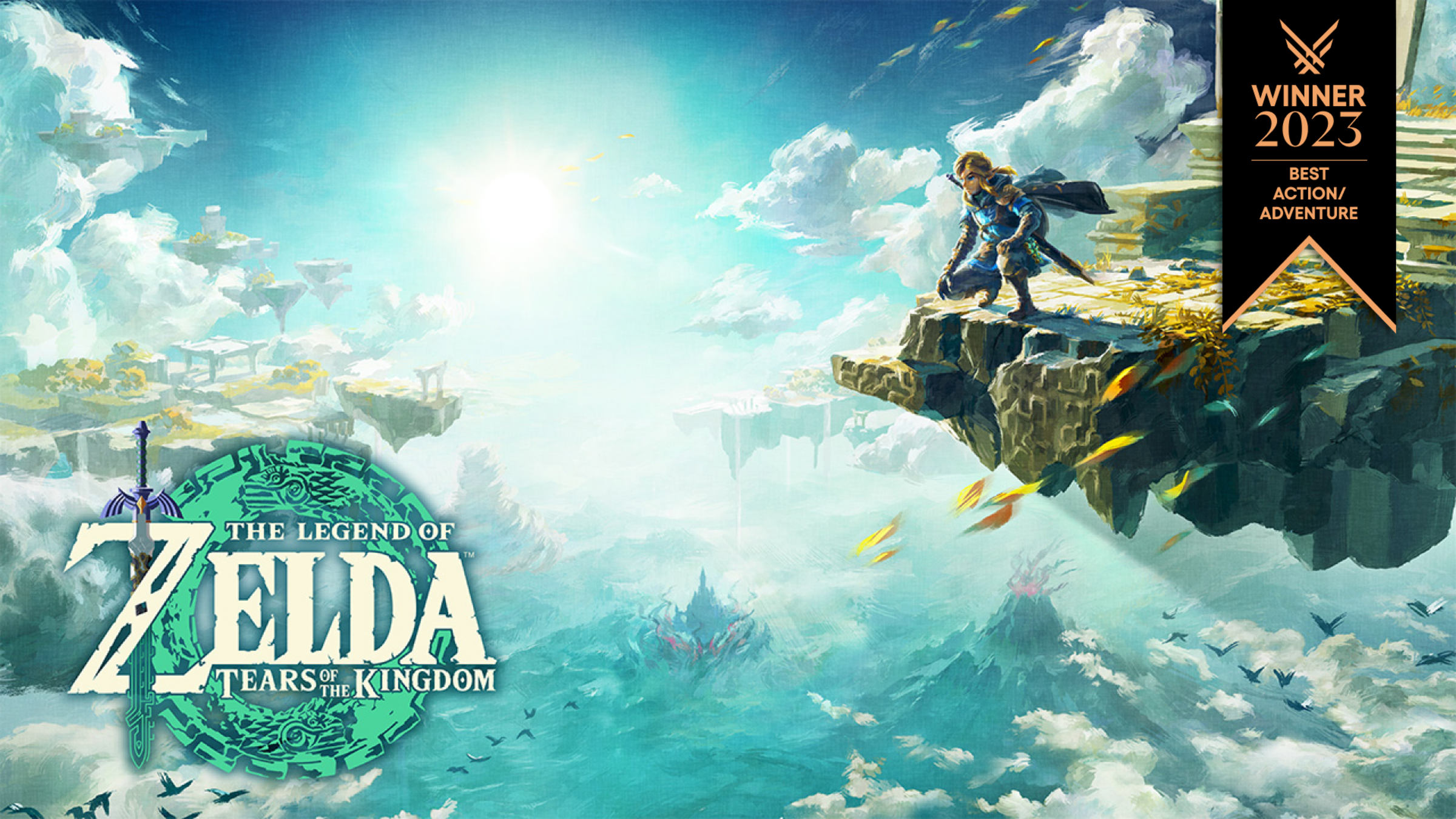
Zelda: Tears of the Kingdom
Ages 8-14 · paid · Product · nintendo.com ↗
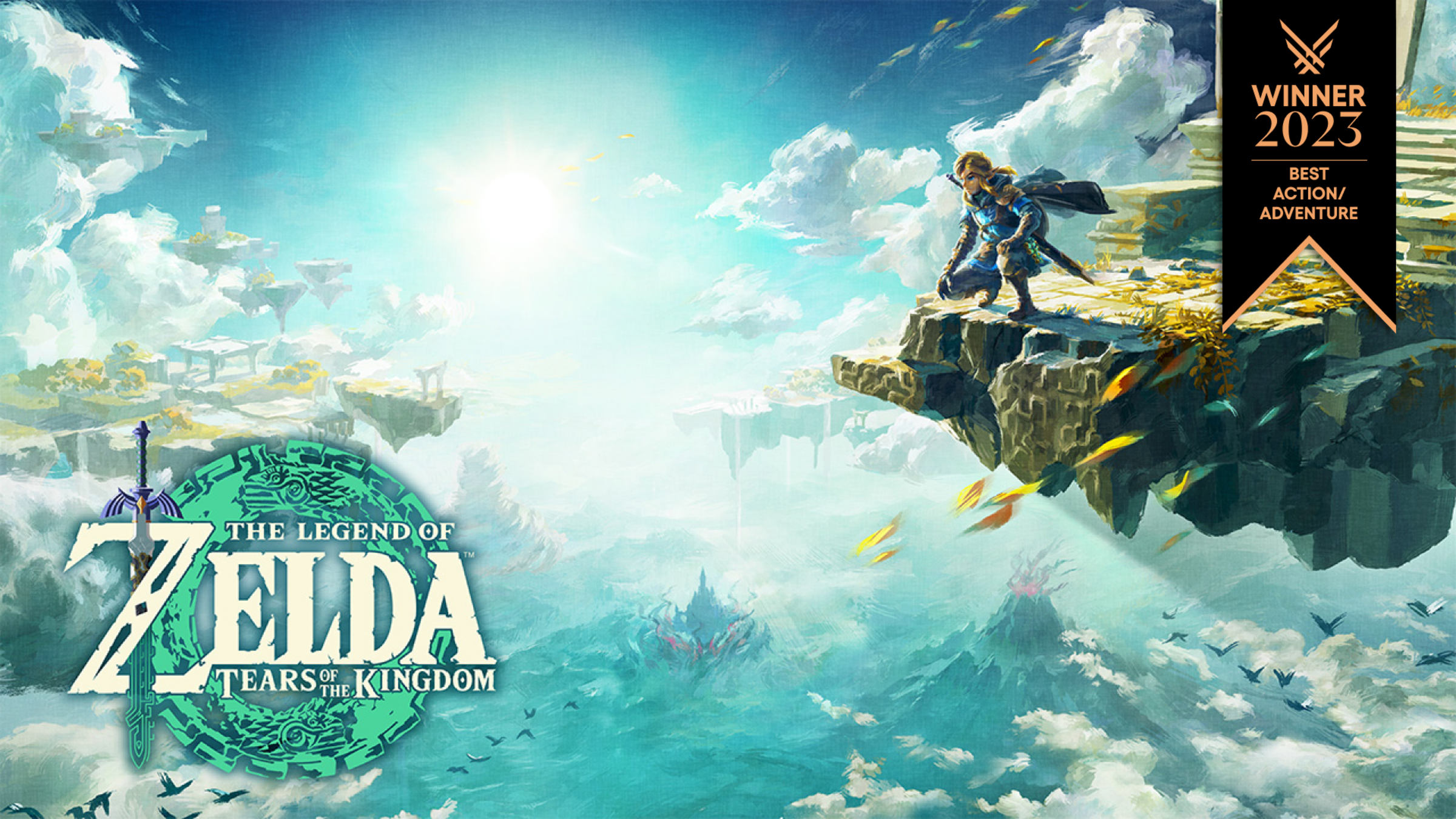
Tears of the Kingdom is a huge single-player adventure where the child explores Hyrule, solves shrines, fights enemies, and builds strange machines out of the world’s objects. The game’s signature twist is that many puzzles do not have one intended answer. The child can fuse tools, build contraptions, and improvise routes in ways that feel personal.
Zelda: Tears of the Kingdom is one of the strongest developmental products we've reviewed. It builds action and persistence, curiosity and creative thinking. The main growth opportunity: connection is limited by the solitary format. The relationships are mostly with characters, not peers.
Strengths & gaps
Strengths
- ● Tears of the Kingdom is one of the strongest creativity builders in mainstream gaming. The child solves problems by making things.
- ● Agency is equally strong. The game respects the child’s own route and methods.
- ● Curiosity, adaptability, and judgment all reinforce each other because the world keeps asking new questions.
Gaps
- ○ Connection is limited by the solitary format. The relationships are mostly with characters, not peers.
- ○ Self-regulation is practiced through challenge, but not explicitly taught.
- ○ Purpose exists in the story, not as a direct bridge to the child’s own values outside play.
Detailed scores
How Zelda: Tears of the Kingdom performs on each of the 9 literacies in our framework.
Doing
— 3 of 3 Strong
Tears of the Kingdom gives the child unusual freedom. The child decides where to go, what to tackle first, and how to solve each problem. That freedom is not cosmetic. It changes the actual experience.
This game expects retries. Shrines fail, builds collapse, and combat plans go wrong. The child has to keep experimenting long enough to get through genuine friction.
The game constantly forces new approaches. A good combat plan may be useless in a shrine, and a sky-island route may fail on the surface. The child keeps pivoting because the world keeps changing the terms.
Thinking
— 3 of 3 Strong
Tears of the Kingdom is built to pull the child toward the unknown. Something interesting is always visible in the distance. The game rewards wondering what is over there and then actually going to see.
This is the standout. Ultrahand and Fuse make creation part of problem-solving, not a side mode. The child can build solutions that feel weird, funny, personal, and effective all at once.
The child has to make tradeoffs constantly. Which tool matters here? Is this fight worth it? Should I use resources now or save them? Good play depends on decision quality.
Being
— 0 of 3 Strong
The story has emotional stakes and supporting characters. Helping regions and allies matters. But this is still mostly a solitary experience rather than a relationship-driven one.
The game demands patience. Frustration is common when a plan fails or a build falls apart. But the game does not directly teach reflection or emotional recovery.
The mission to help Hyrule gives the game a larger frame than simple score-chasing. The child can feel that actions matter in the world. But the meaning is still mostly carried by the story.
Based on 5 sources
Reviewed by New Literacies
Scored by our research-derived framework · AI-assisted analysis with editorial review · 5 sources reviewed · Our methodology →
Get the next guide before it goes live
One email when a new product review ships.
Free. No spam. Unsubscribe anytime.
See other products strong in the same literacies: