
Yoto
Ages 0-12 · paid · Product · yotoplay.com ↗
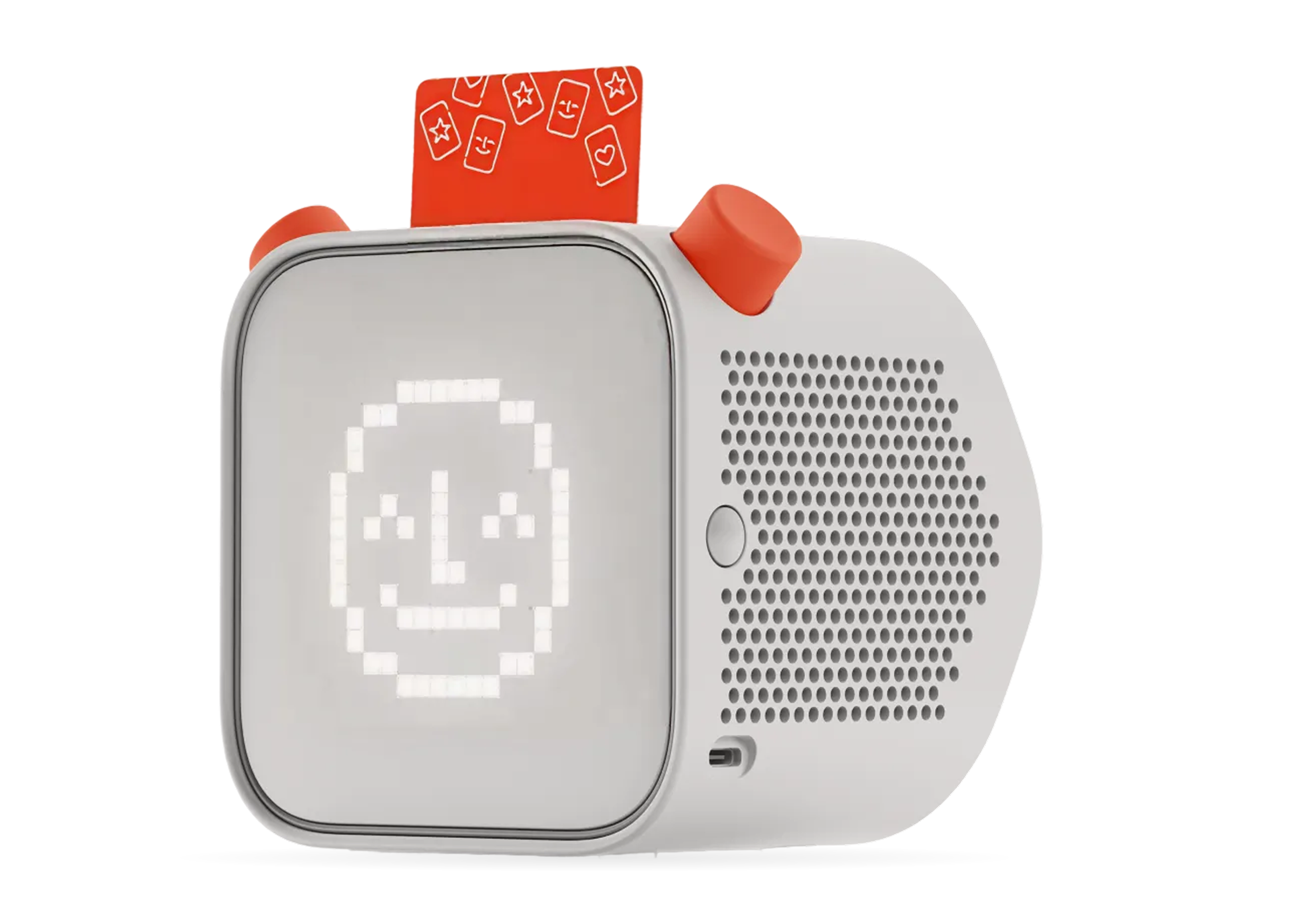
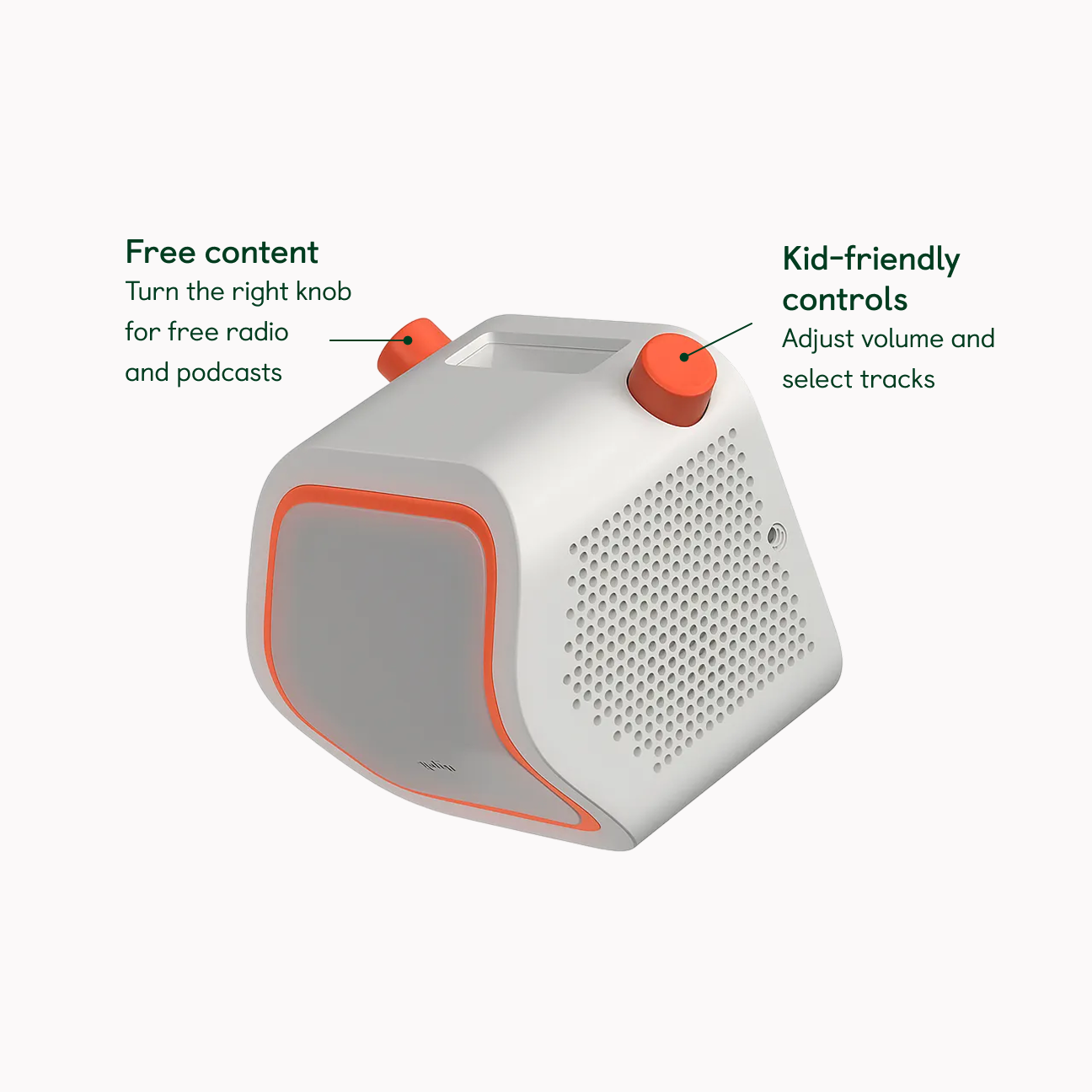
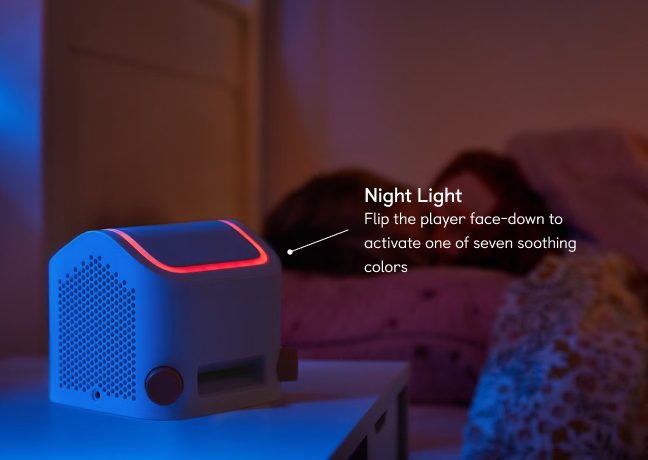
Yoto is a screen-free audio player where kids insert physical cards to play audiobooks, music, podcasts, and educational content. The child picks a card from their collection, slots it into the player, and controls playback with kid-friendly buttons and a twist knob. No parent help needed. The library spans 1,000+ titles from classic stories to music to sleep sounds, and "Make Your Own" blank cards let families record custom audio.
We've reviewed Yoto against our 9-literacy developmental framework. The main growth opportunity: Yoto is a consumption device.
Strengths & gaps
Strengths
- ● Yoto builds genuine independence. A survey of 7,000+ customers found 90% report their child is more independent since getting the player. Children as young as 3 manage their own listening by selecting cards, adjusting volume, and navigating chapters without adult help.
- ● The non-algorithmic physical card system avoids filter bubbles. Children browse tangible options and encounter content they might not choose in an app. Parents report "immediate improvement in vocabulary" from exposure to rich audiobook language.
- ● Yoto strengthens family connection without requiring screen time. The "Make Your Own" feature lets grandparents record stories and parents leave audio messages. Shared listening creates bonding rituals.
Gaps
- ○ Yoto is a consumption device. The child listens but doesn't create, build, solve, or produce anything. This caps most capacities at Moderate regardless of content quality.
- ○ No persistence is developed. Listening requires no effort, and switching is frictionless. There's no challenge, no difficulty, no productive struggle.
- ○ Adaptability is absent. Every card works the same way: insert and listen. The child's role never changes.
Detailed scores
How Yoto performs on each of the 9 literacies in our framework.
Doing
— 0 of 3 Strong
Yoto gives children real control over their audio world. They choose what to listen to, manage playback independently, and don't need adult permission or help. The founder's calibration review confirmed this rating: "I was forced to agree with this rationale, despite thinking Yoto might score higher on agency." The ceiling is selection, not creation. Kids choose what to consume but don't set goals or build things.
Listening to audiobooks is pleasurable, not effortful. A child can stop, skip, or switch cards at any time with no friction. Long audiobooks offer optional sustained attention, but nothing requires it. Persistence needs challenge. Yoto provides none.
Insert card, listen. Every piece of content works the same way. The child never needs to change their approach, try a different strategy, or adapt to a novel interaction. Content varies; the child's role doesn't.
Thinking
— 0 of 3 Strong
Yoto's diverse library introduces children to worlds, vocabulary, and ideas beyond their everyday experience. One parent reported children giving "detailed recaps of Charlotte's Web and Winnie-the-Pooh" at age 3, with "immediate improvement in vocabulary." The physical card system lets kids discover content through browsing rather than algorithm. But the child receives stories rather than investigating questions.
Audio-only format does engage imagination more than video. Children must visualize characters, settings, and action. But visualization in service of a pre-made story is reception, not creation. The "Make Your Own" cards are a minor feature that most families use for parent recordings, not child creation.
The child listens. No evaluation, analysis, or decision-making is involved. Stories may model characters making judgments, but observing judgment in narrative is not practicing it.
Being
— 0 of 3 Strong
Yoto connects families through shared listening, personalized recordings, and the bonding ritual of audiobook time. The "Make Your Own" feature is a genuine connection tool for long-distance family. Stories build narrative empathy by putting children inside other characters' perspectives. But the primary experience is solo listening.
Yoto's ok-to-wake clock is a real self-regulation tool. The child learns to manage their impulse to get up by waiting for the light signal. Sleep sound routines help children self-manage bedtime transitions. Extended audiobook listening practices sustained attention. For ages 3–6, these are developmentally meaningful regulation habits.
Yoto provides entertainment and education. It doesn't connect listening to identity, values, or contribution. Stories may incidentally expose children to purpose-related themes, but that's the content, not the product.
Based on 7 sources
- Product east2westmama.com — yoto player vocabulary kids review
- Product us.yotoplay.com — q a with caley nunnally your top speech questions answered
- Product madeformums.com — yoto player review
- Product thebump.com — yoto player review
- Product purewow.com — yoto 3rd generation review
- Product madeformums.com — yoto vs tonies
- Product us.yotoplay.com — yoto player
Reviewed by New Literacies
Scored by our research-derived framework · AI-assisted analysis with editorial review · 7 sources reviewed · Our methodology →
Get the next guide before it goes live
One email when a new product review ships.
Free. No spam. Unsubscribe anytime.