
Wepik Kids (AI Tales)
All ages · free · AI Product · wepik.com ↗


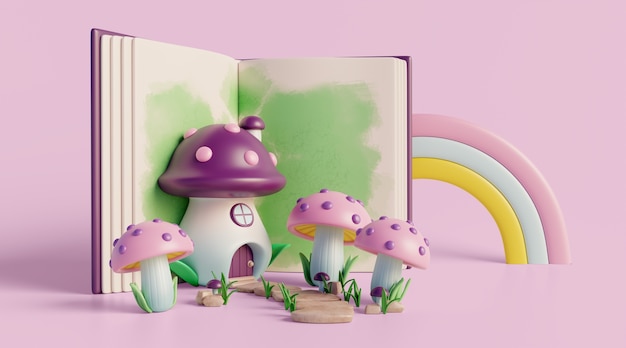
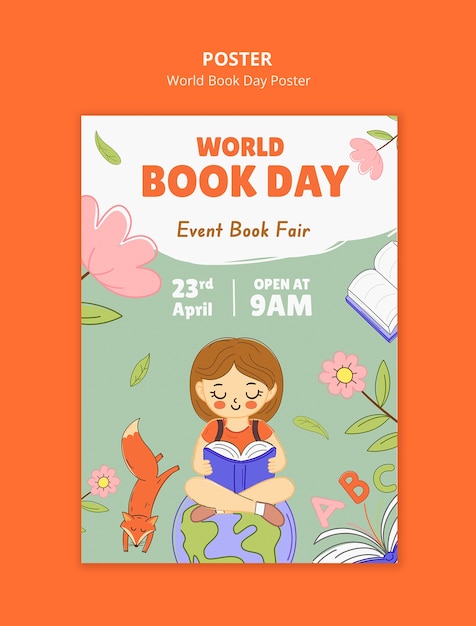
Wepik is a browser-based design editor that now sits inside the Freepik ecosystem as Freepik Designer. Users start from templates, swap text and images, add AI-generated visuals or copy, and export the finished design. The public story-related pages show children's-book and book-day templates, but not a standalone kids tale app.
We've reviewed Wepik Kids (AI Tales) against our 9-literacy developmental framework. The main growth opportunity: persistence is weak. The design goal is quick completion, not productive struggle.
Strengths & gaps
Strengths
- ● Wepik is easy to enter. Templates, AI helpers, and browser editing lower the barrier to making something useful fast.
- ● The template library gives children and families a lot of surface area to explore. Story-book, book-day, and presentation formats all live in the same tool.
- ● The product can support real authorship at the level of layout, copy, and visual choice.
Gaps
- ○ Persistence is weak. The design goal is quick completion, not productive struggle.
- ○ Connection is not a core feature in the child-development sense. Collaboration appears optional and adult-oriented.
- ○ The public evidence points to a general design editor, not a kid-specific story engine.
Detailed scores
How Wepik Kids (AI Tales) performs on each of the 9 literacies in our framework.
Doing
— 0 of 3 Strong
Wepik lets users make real choices. They can pick a template, edit the text, swap images, and decide how polished the final piece should look. But the workflow still starts inside a frame Wepik already picked.
Wepik is optimized for speed. The template system and AI tools shorten the path from idea to finished output, which is useful but not struggle-building. There is little evidence of revision depth or sustained effort.
The same editor can be used for many kinds of output. A child could move from a story-style layout to a poster or storybook mockup without leaving the product. That kind of format switching builds some flexibility.
Thinking
— 0 of 3 Strong
The story-book and world-book-day templates create a small hook. A child may want to see what else the library can do. But the product resolves that curiosity with a finished design quickly rather than holding the gap open.
Wepik supports making something personal and polished. The user can combine templates, copy, and visuals in ways that feel original. Still, the AI and template system do a lot of the composing.
Users have to choose what fits and what looks right. That means comparing options, judging fit, and deciding when to stop editing. The product does not push deeper reasoning than that.
Being
— 0 of 3 Strong
There are signs of collaboration in the review ecosystem, but not enough to say the product is built around relationships. The public evidence does not show a child-facing social loop or belonging feature. That keeps Connection outside the main scope.
The tool supports short, focused bursts of making. That can help a child stay with a task long enough to finish it. But Wepik does not teach coping, waiting, or emotional control.
The product makes useful artifacts, but it does not clearly connect them to service, identity, or contribution. A child can make a book or poster for someone else, but the app itself does not build that why.
Based on 7 sources
- Product freepik.com — wepik is now freepik designer
- Product freepik.com — templates
- Product freepik.com — children story book
- Product g2.com — reviews
- Product aiwriter.review — wepik
- Product producthunt.com — wepik
- Product trustpilot.com — wepik.com
Reviewed by New Literacies
Scored by our research-derived framework · AI-assisted analysis with editorial review · 7 sources reviewed · Our methodology →
Get the next guide before it goes live
One email when a new product review ships.
Free. No spam. Unsubscribe anytime.