
Twee
All ages · freemium · AI Product · twee.com ↗
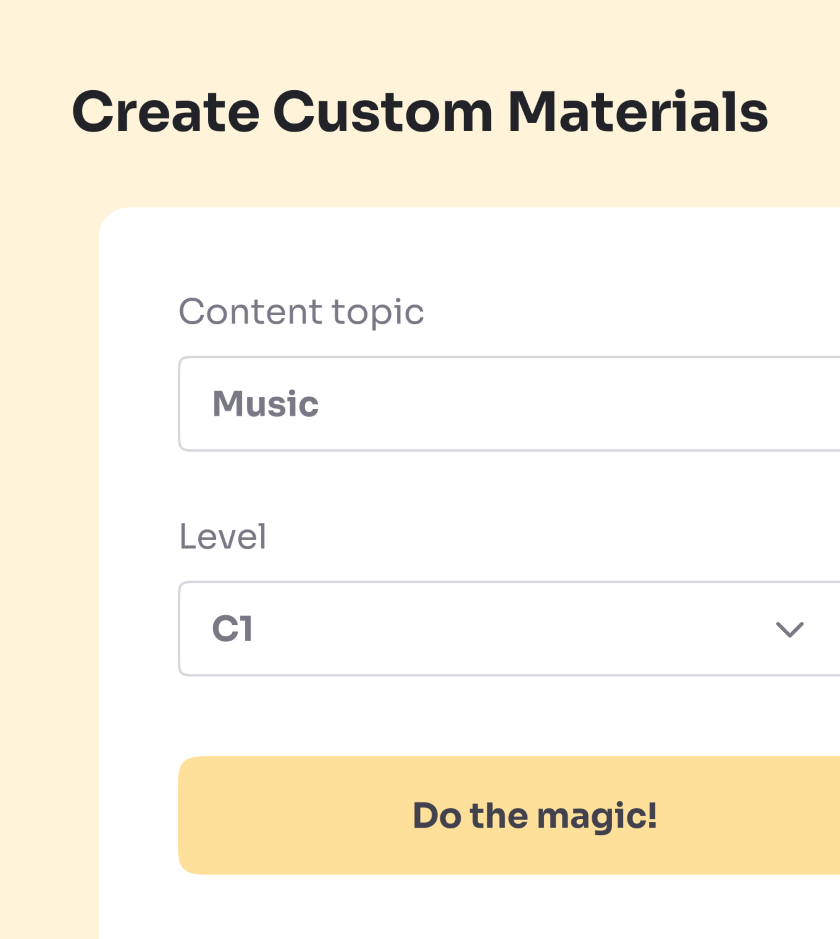
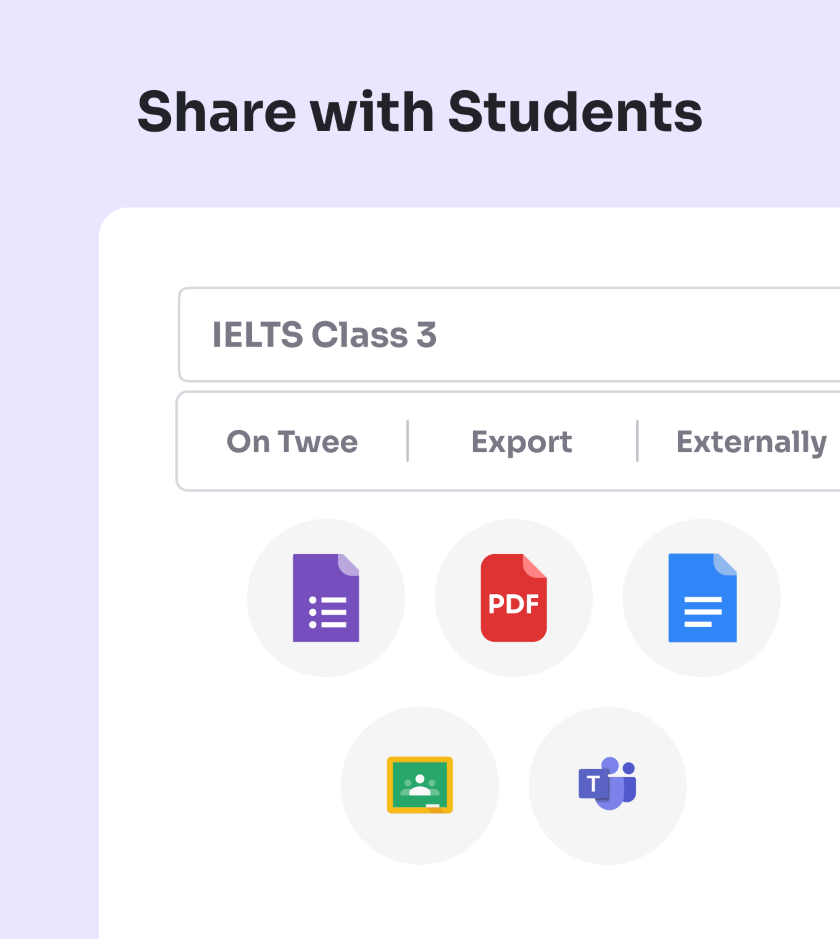
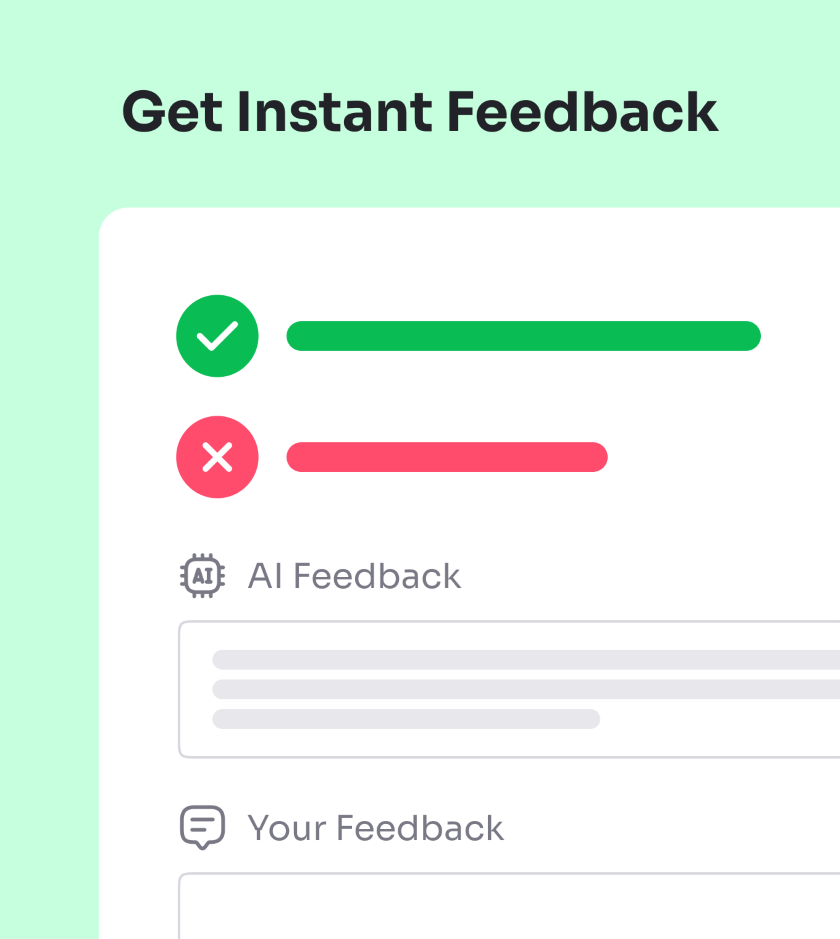
Twee is an AI language-teaching platform for English and ESL teachers. Teachers can generate texts, questions, discussions, listening tasks, worksheets, and interactive activities, then share them with students and check responses with AI. Students experience Twee as a teacher-shaped language workspace rather than a standalone self-directed app.
We've reviewed Twee against our 9-literacy developmental framework. The main growth opportunity: the experience is still teacher-directed. Students work inside prompts more than they author their own direction.
Full review
The NL Score measures developmental capacity-building, not product quality.
Strengths & gaps
Strengths
- ● Twee is more student-facing than many teacher AI tools. Interactive sharing and AI-checked responses give students something to do, not just something the teacher downloads.
- ● It also offers real adaptability. Language level alignment and multiple activity types make it easier to match tasks to learners.
Gaps
- ○ The experience is still teacher-directed. Students work inside prompts more than they author their own direction.
- ○ Creativity is narrow because the product mostly structures responses instead of opening a blank canvas.
- ○ Public evidence is mostly feature-level rather than developmental.
Detailed scores
How Twee performs on each of the 9 literacies in our framework.
Doing
— 0 of 3 Strong
Twee lets students answer, discuss, and respond in shared lesson spaces. But the teacher still decides what gets asked and what counts as success. That makes Agency present but bounded.
Quick feedback and interactive tasks can keep students engaged with language work. But because the platform is optimized for convenience and flow, it likely lowers the amount of productive struggle. Persistence stays Moderate.
This is one of Twee's best features. CEFR alignment, customizable prompts, and multiple activity formats make it easy to tune lessons for different learners. The adaptation is genuine even if it is teacher-directed.
Thinking
— 0 of 3 Strong
Discussion prompts, media tools, and varied exercises can make a lesson more interesting than a static worksheet. But Twee is still optimized to generate and deliver tasks quickly. Curiosity is supported, not deeply developed.
Students usually respond within a teacher-authored language frame. There can be some expressive work, but the product does not primarily function as an open creative tool. Creativity stays limited.
Language learning asks students to interpret, compare, and decide what fits. Twee's tasks and feedback can support that. The current evidence is not strong enough to argue for more than Moderate.
Being
— 0 of 3 Strong
Shared classroom activities and discussion tools can support conversation between students. That gives Twee a real but modest Connection signal. Relationship-building is not the central design goal.
The surfaced features focus on creation, sharing, and grading. They do not show emotional regulation or coping supports. Self-Regulation remains outside scope.
Twee is a language instruction tool. The public record does not connect it to identity or contribution. Purpose is not visible here.
Based on 3 sources
- Product twee.com
- Product twee.com — price
- Product help.twee.com — 176 how to switch from basic to pro and vice versa
Reviewed by New Literacies
Scored by our research-derived framework · AI-assisted analysis with editorial review · 3 sources reviewed · Our methodology →
Get the next guide before it goes live
One email when a new product review ships.
Free. No spam. Unsubscribe anytime.