
Toybox 3D Printer
Ages 6-17 · paid · AI Product · toybox.com ↗
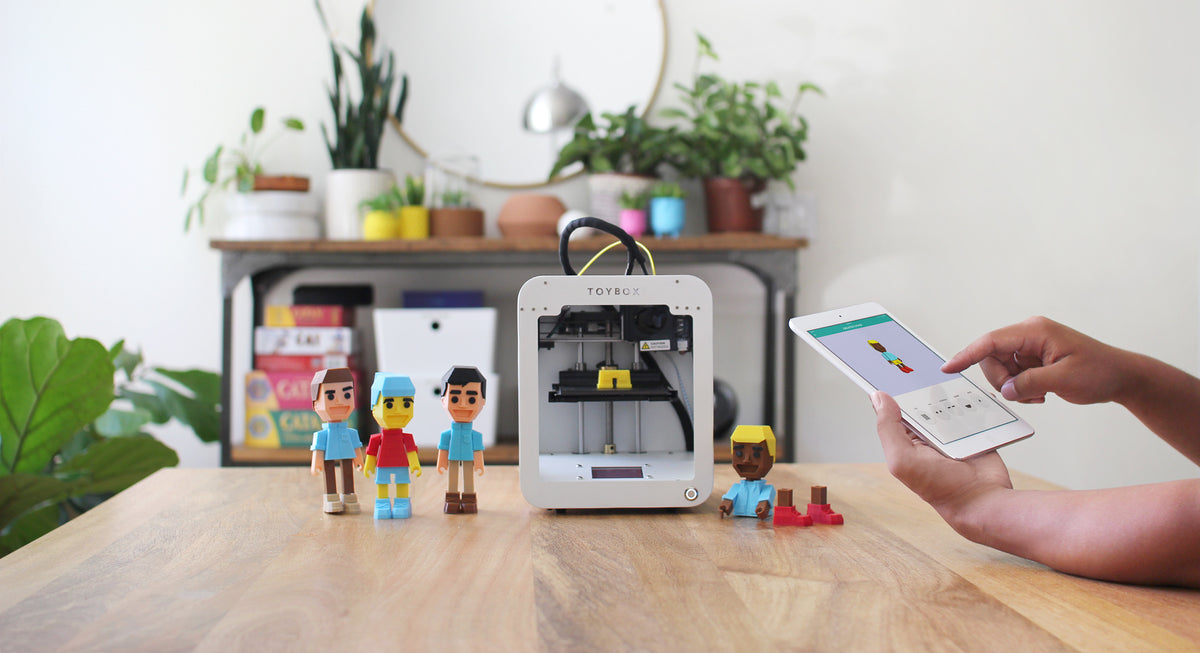
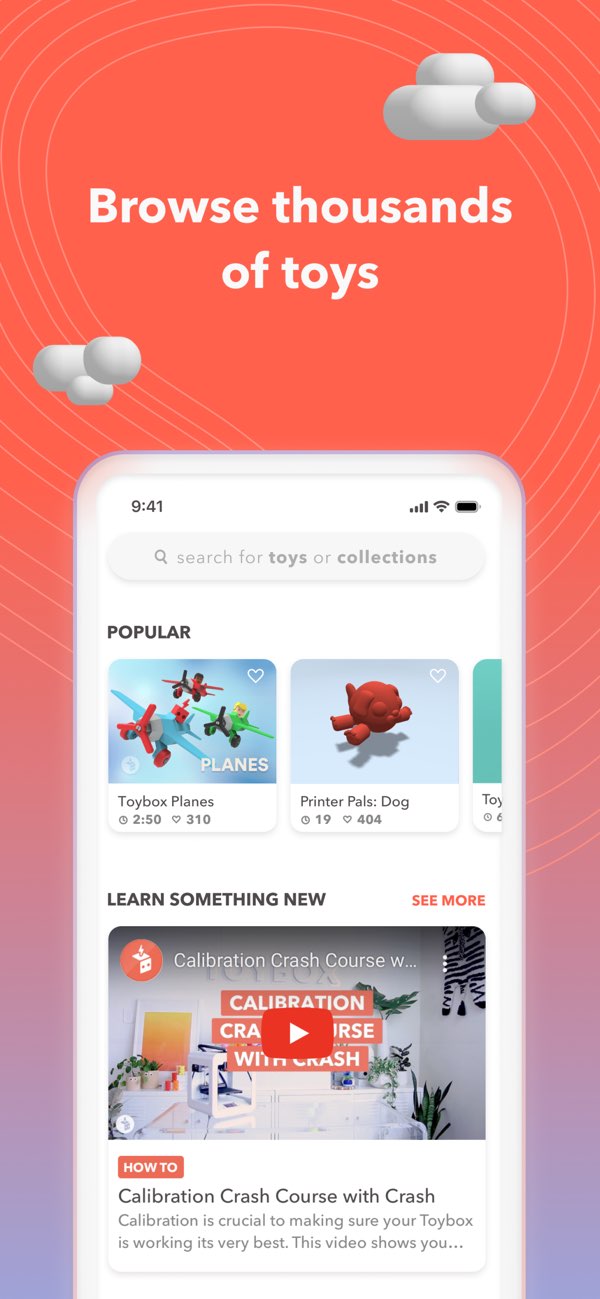
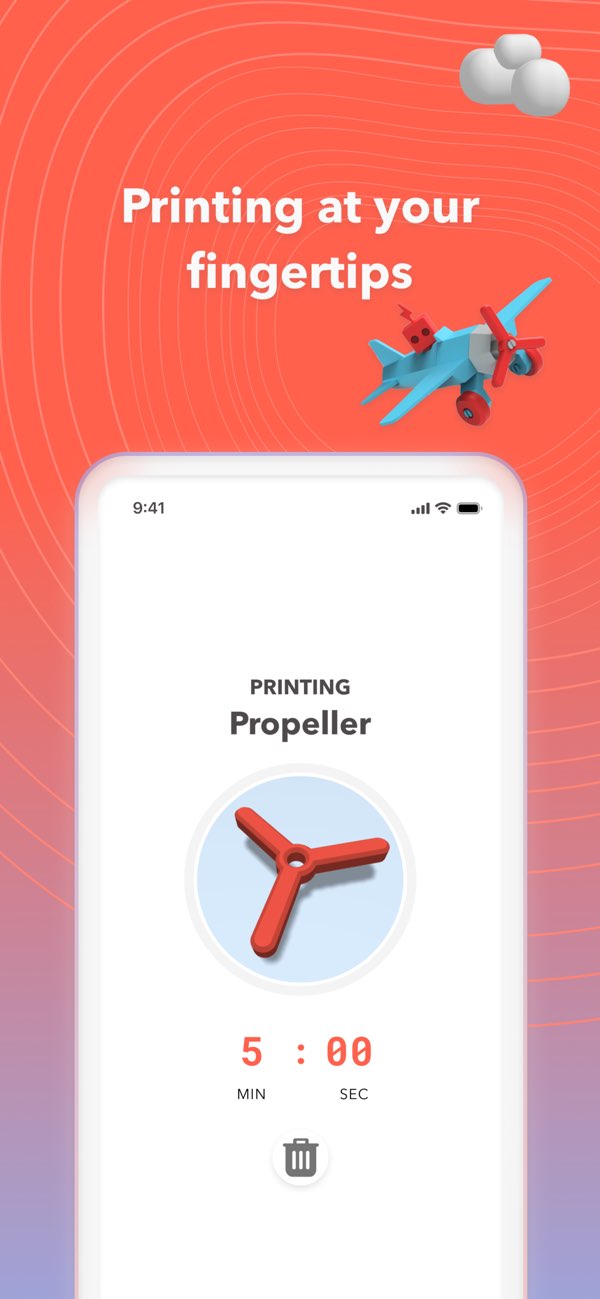
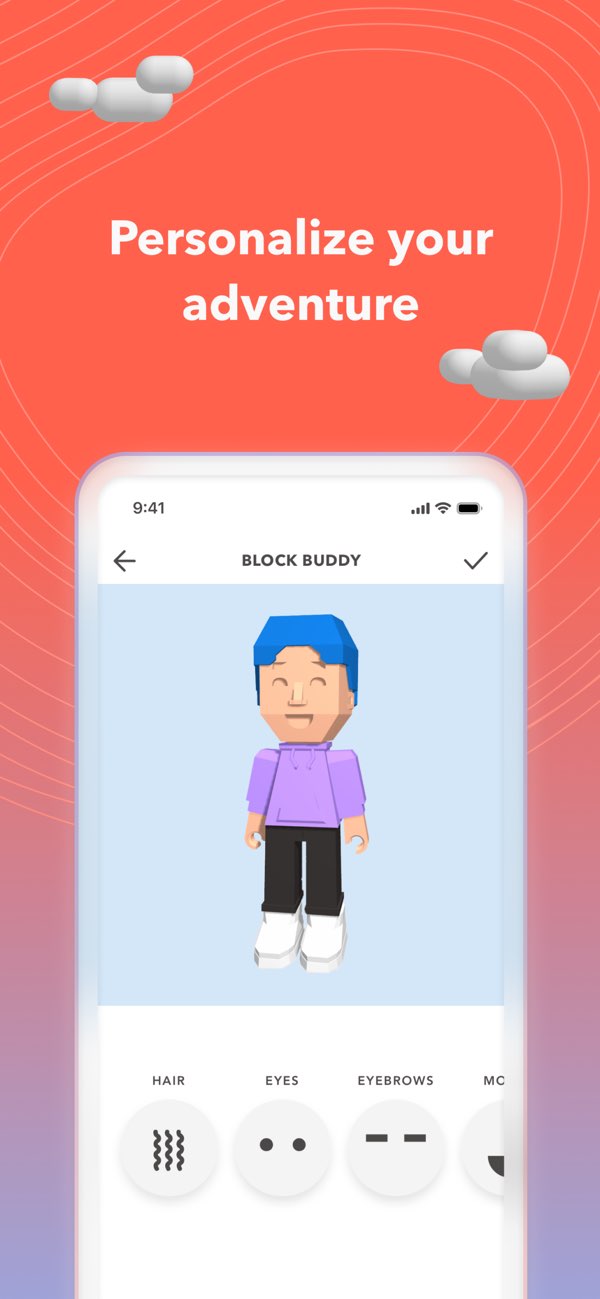
Toybox is a kid-friendly 3D printer with a curated app ecosystem. Kids browse a library of 7,000+ pre-made models (including licensed characters), tap to print, and wait 20-60 minutes for a physical toy to emerge. A "Creator Space" lets kids draw their own designs or build custom figures from parts. The Toybox Pro subscription ($18/month) adds AI tools that generate printable models from text prompts or uploaded images.
We've reviewed Toybox 3D Printer against our 9-literacy developmental framework. The main growth opportunity: Toybox is designed for consumption, not creation.
Strengths & gaps
Strengths
- ● Toybox creates tangible output. The child holds what they made. Physical objects become gifts for classmates, functional tools, or toys. This effort-to-artifact connection is stronger than purely digital tools.
- ● Real delayed gratification is built into the physics of 3D printing. Every print job requires 20-60 minutes of waiting. Failed prints require genuine emotional recovery and retry decisions.
Gaps
- ○ Toybox is designed for consumption, not creation. The primary experience is browsing a curated library and pressing print. Creator Space exists but isn't the default path.
- ○ The closed ecosystem limits growth. Models can't be exported for other printers. Proprietary filament is required. When a child outgrows Toybox, nothing transfers.
- ○ The AI "Magic Tools" may reduce creative development. Generating a model from a text prompt bypasses the spatial reasoning, iterative design, and creative problem-solving that make 3D design developmentally valuable.
Detailed scores
How Toybox 3D Printer performs on each of the 9 literacies in our framework.
Doing
— 0 of 3 Strong
Toybox lets kids choose what to print from a 7,000+ model library, and Creator Space enables original designs. But the product's design pushes toward library selection, not creation. Tom's Hardware noted "there are no settings to adjust." Filament is proprietary. The ecosystem is closed. Kids have real choice within a walled garden.
Every print job requires real waiting. Failed prints (clogging, WiFi dropouts, imperfect models) create genuine setbacks. Reddit users reported troubleshooting as part of the experience. But Toybox deliberately minimizes complexity everywhere else: one-click printing, no calibration, no settings. The persistence practice comes from the physics of printing, not from Toybox's design choices.
Toybox presents one workflow: browse, select, print, wait. No settings to adjust. No strategy-switching required. No novel problem types. The closed ecosystem prevents exploring alternative tools or approaches. A child uses Toybox the same way on day one and day 100.
Thinking
— 0 of 3 Strong
The large model library invites browsing. Licensed characters and categories create "what else is there?" moments. Creator Space tools (block buddy builder, car designer) offer some design exploration. But pre-made models are complete answers that close curiosity loops rather than opening them.
Creator Space lets kids draw original designs and build custom figures. This is genuine creative expression. But the primary Toybox experience is selecting pre-made models, not creating from scratch. The AI "Magic Tools" generate designs from text prompts, which further reduces the child's own creative generation. No revision workflow exists.
Toybox requires choosing what to print. That's it. No evaluation of approaches, no tradeoff analysis, no consequence management. The one-click design philosophy deliberately removes all complexity and decision-making from the process.
Being
— 0 of 3 Strong
Toybox is a solo device. Printed objects can become social (gifts for friends), but this depends on the child and family, not on Toybox's features.
3D printing forces real delayed gratification. Every job means waiting. Failed prints mean managing disappointment. These are genuine self-regulation exercises. But Toybox doesn't teach coping strategies or scaffold the waiting experience. The regulation practice is a physics-imposed side effect, not an intentional feature.
Printed objects are tangible and functional. Kids make gifts, toys, and useful items. The effort-to-artifact connection is concrete: you designed it, you waited for it, you hold it. But Toybox doesn't engage with values, identity, or broader contribution. Purpose is incidental.
Based on 8 sources
- Product tomshardware.com — toybox review a kids first printer
- Product popsci.com — toybox 3d printer review
- Product tomshardware.com — best 3d printers for kids and teens
- Product thoughtfullysustainable.com — toybox 3d printer
- Product teachyourkidscode.com — toybox 3d printer review
- Product chill3dprint.com — the ultimate guide to the toybox 3d printer reddit reviews unveiled
- Product lifebetweenweekends.com — toybox 3d printer review
- Product meshy.ai — toybox 3d printer
Reviewed by New Literacies
Scored by our research-derived framework · AI-assisted analysis with editorial review · 8 sources reviewed · Our methodology →
Get the next guide before it goes live
One email when a new product review ships.
Free. No spam. Unsubscribe anytime.