The Human Body by Tinybop
Ages 7-12 · paid · Product · tinybop.com ↗
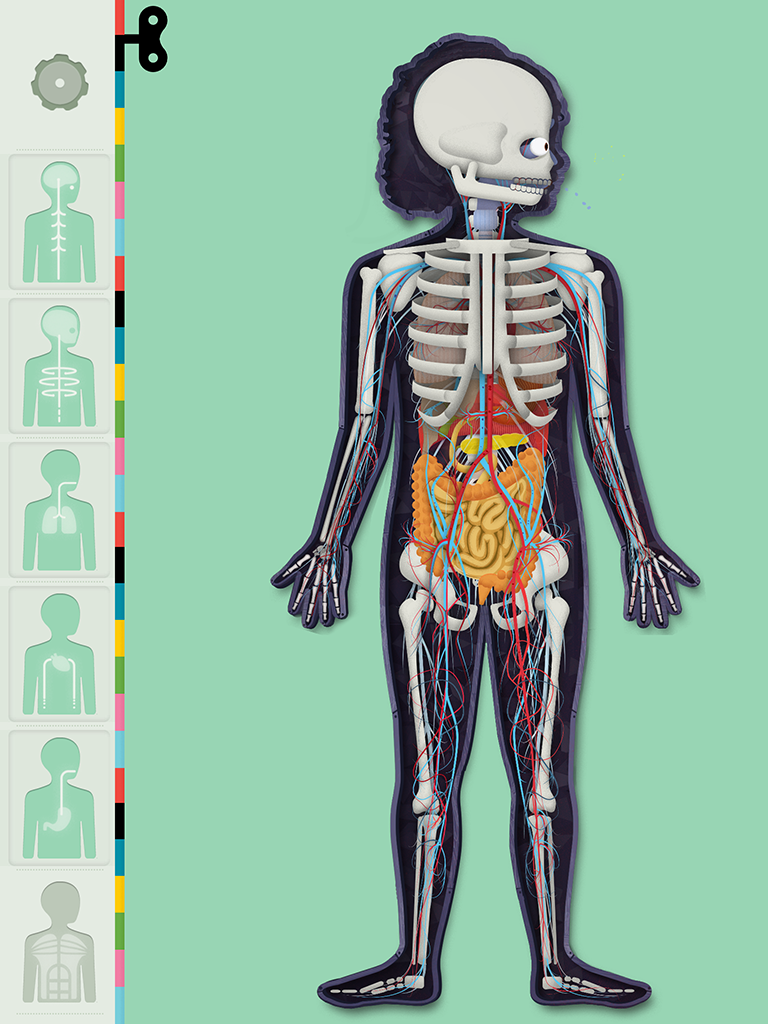
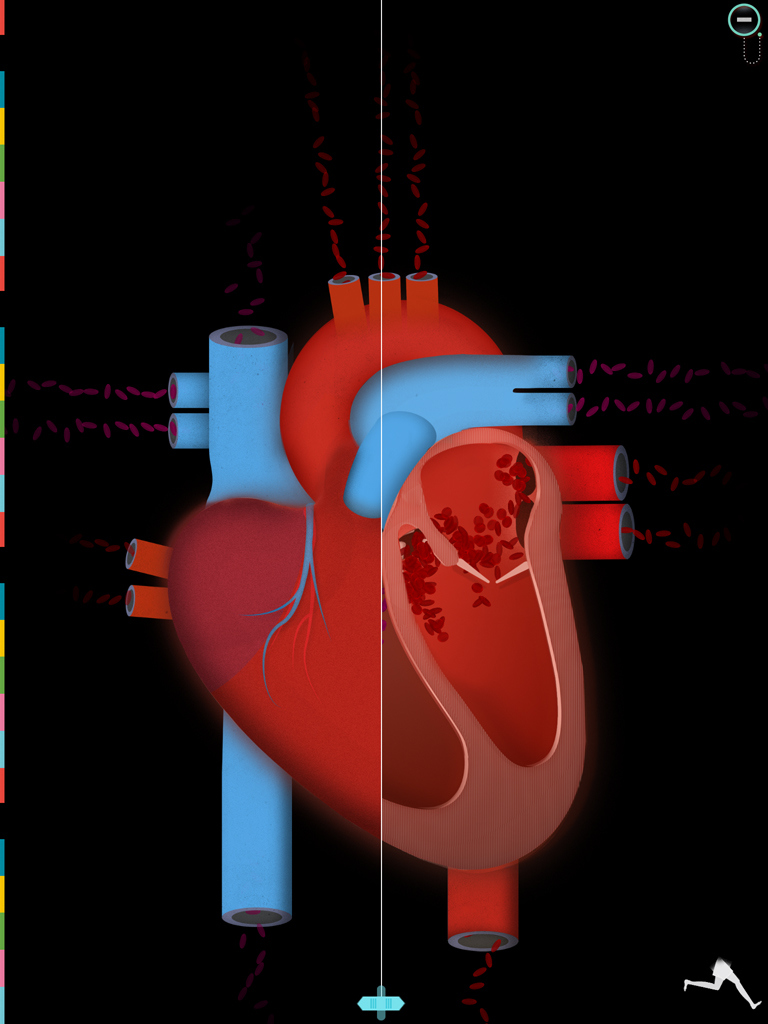
The Human Body by Tinybop is an interactive anatomy app. Kids tap through body systems, feed the body, use the microphone and camera, and watch organs and bones respond. It is built for exploration rather than rules or levels. Tinybop also treats it as a shared experience. The app page points to a multi-user setup, a handbook, and family discussion prompts.
The Human Body by Tinybop has focused developmental strength worth knowing about. It builds curiosity. The main growth opportunity: persistence is weak. The app doesn't ask kids to struggle or recover from failure.
Strengths & gaps
Strengths
- ● Curiosity is the clear win here. The app is built around touch, sound, camera input, and visible body responses.
- ● The design is easy to use with a parent or small group. Tinybop's handbook and the teacher review both point to discussion-based use.
- ● Kids get real anatomy literacy. The app turns hidden systems into something they can inspect and compare.
Gaps
- ○ Persistence is weak. The app doesn't ask kids to struggle or recover from failure.
- ○ Self-regulation is mostly absent. It gives kids room to explore, but it doesn't teach coping skills.
- ○ Purpose is not part of the product. The app teaches how bodies work, not why that matters in a values or identity sense.
Detailed scores
How The Human Body by Tinybop performs on each of the 9 literacies in our framework.
Doing
— 0 of 3 Strong
The Human Body by Tinybop gives kids direct control over the experience. Wired describes the app as self-guided, and Tinybop says there are no rules or levels. But the child is still working inside a prebuilt model of anatomy, not setting a project of their own.
This app does not depend on sustained effort. Kids can poke, watch, and move on, which is useful for exploration but not for practice with frustration or delayed payoff. The external reviews that matter most describe it as a discussion aid and a curiosity spark, not a hard task to master.
Kids can move between systems and try different inputs to see different responses. That means they have to notice what changes and adjust their approach when they want to see something new. The challenge is still contained, though, so the adaptability stays narrow.
Thinking
— 1 of 3 Strong
Curiosity is the point. Tinybop's own page says curiosity is rewarded, and both Wired and the educator review describe the app as open-ended and exploratory. The body reacts in visible ways when children touch, feed, speak, or switch views, which keeps the inquiry loop alive.
The app leaves room for playful experimentation. Kids can invent questions, use the camera and microphone in different ways, and turn anatomy into a conversation with a parent or sibling. But they are not building or authoring anything from scratch.
The child learns to compare what they see with what the body does. That is a real kind of scientific judgment, because the app asks kids to infer cause and effect from interaction. It does not go beyond anatomy into broader tradeoff or evidence work.
Being
— 0 of 3 Strong
Tinybop clearly supports shared use. The app page mentions family play and a multi-user setup, and the Common Sense teacher review says the app works best in small-group or whole-group discussion. Social use is optional, but it is designed in.
The app is calm and low-friction. It doesn't require waiting, recovery from failure, or other deliberate regulation habits, and it doesn't teach coping language. That makes it easy for kids to enjoy, but thin as a self-regulation builder.
The app is about anatomy, not identity or values. It can support a child's interest in health or science, but that comes from the child's context, not from the product's design. I don't see enough evidence to score Purpose.
Based on 6 sources
- Product wired.com — tinybop dials up stellar kids apps
- Review commonsense.org —
- Product apps.apple.com — id
- Product play.google.com — details
- Product tinybop.com — the human body
- Product tinybop.com — introducing the human body
Reviewed by New Literacies
Scored by our research-derived framework · AI-assisted analysis with editorial review · 6 sources reviewed · Our methodology →
Get the next guide before it goes live
One email when a new product review ships.
Free. No spam. Unsubscribe anytime.
See other products strong in the same literacies: