Thames & Kosmos
Ages 5-15 · paid · Product · thamesandkosmos.com ↗
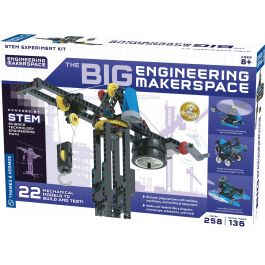
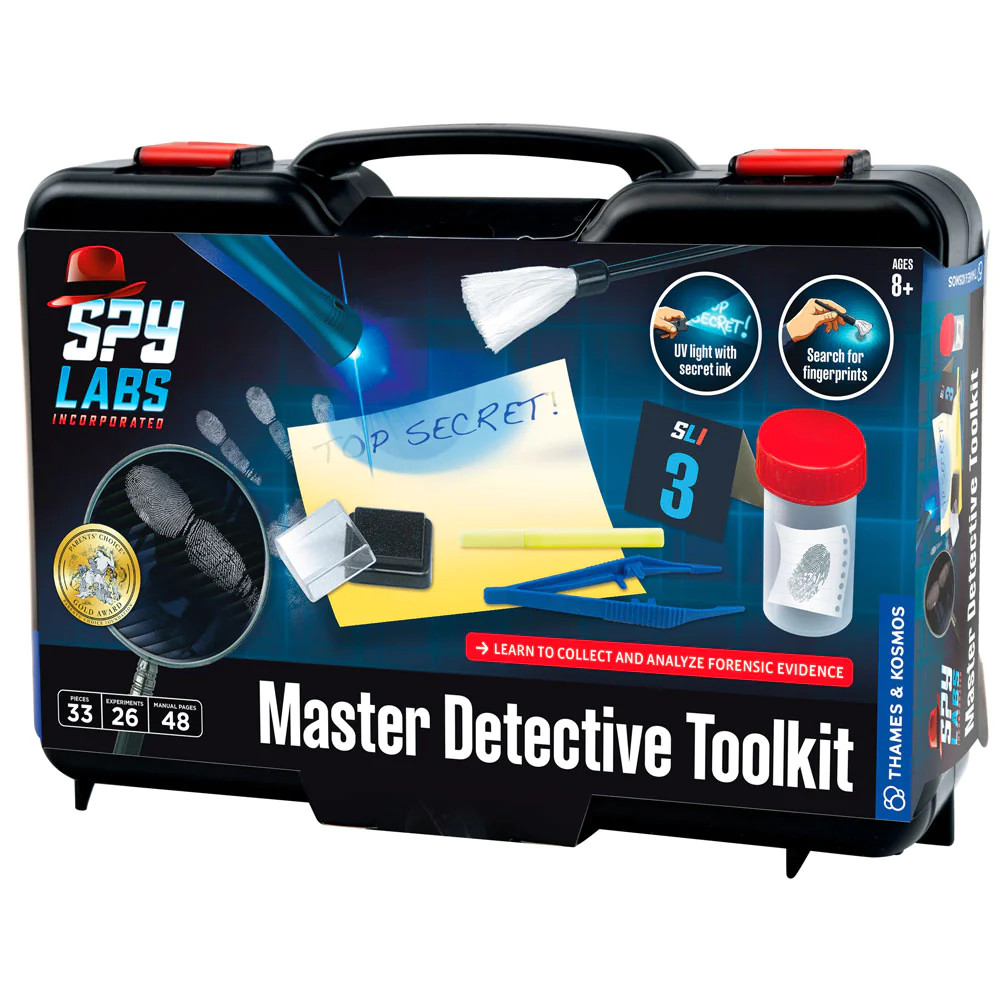
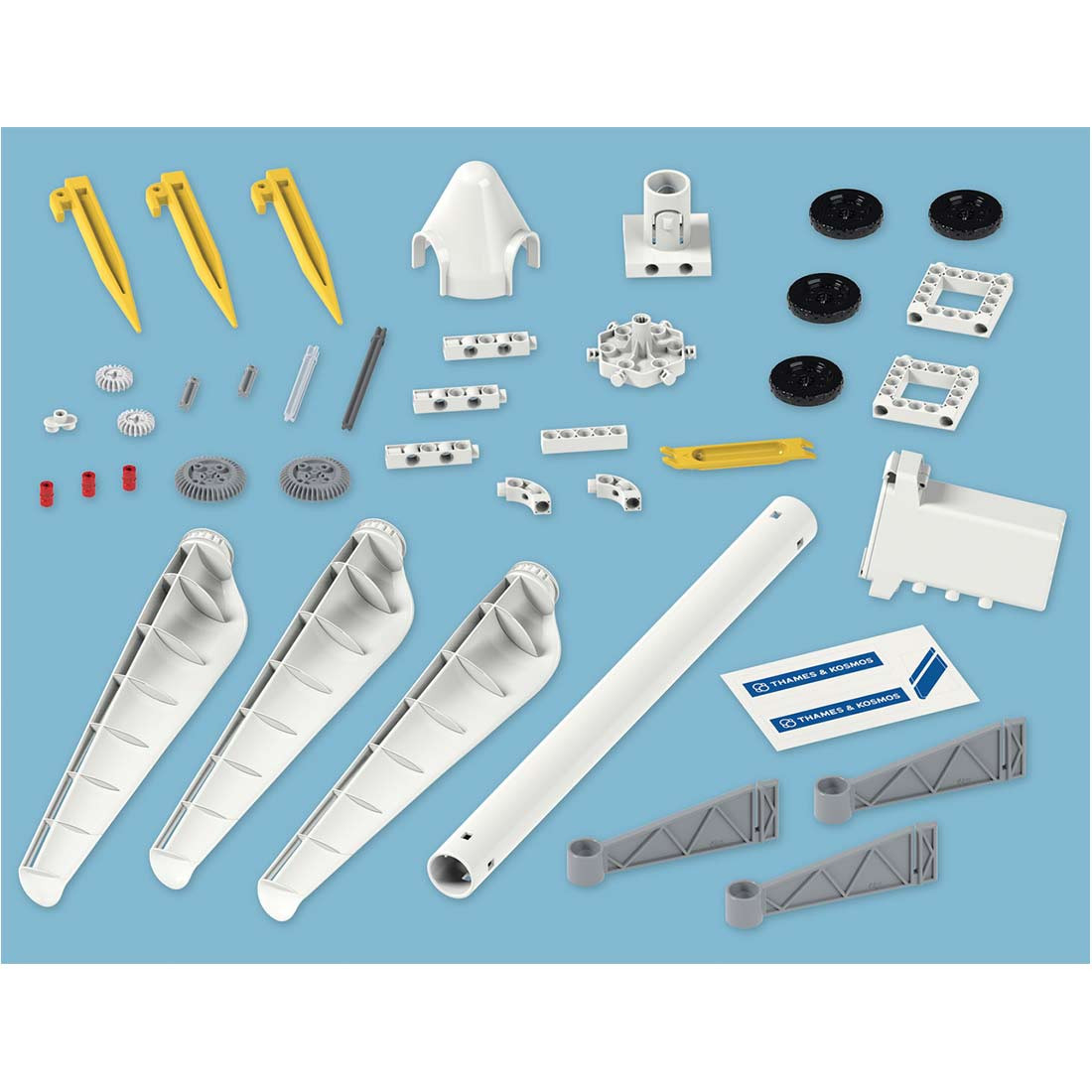
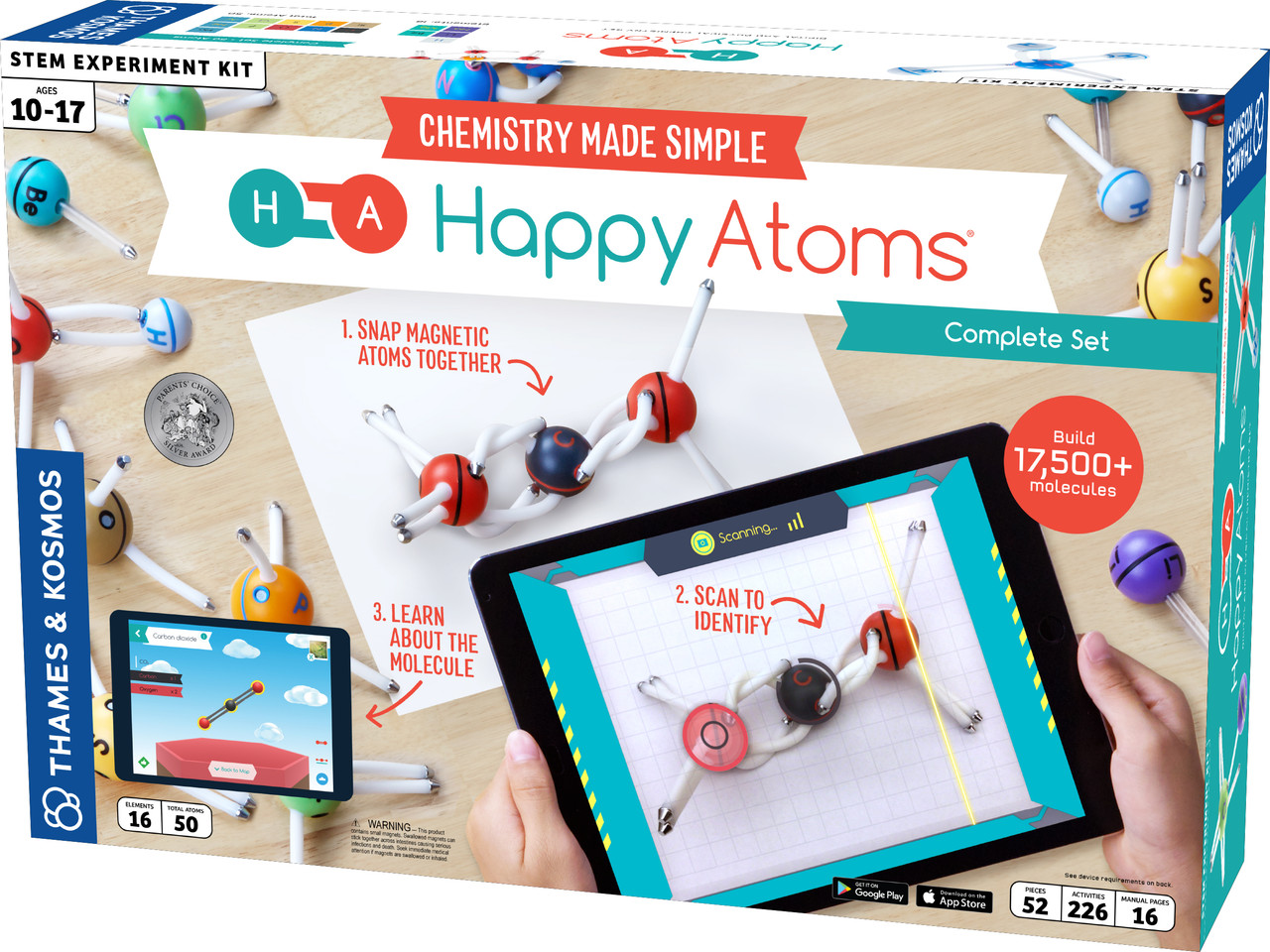
Thames & Kosmos makes hands-on science and STEM kits that ask kids to build, test, observe, and explain what happens. The line covers chemistry, physics, biology, engineering, robotics, and related topics, and the manuals are a big part of the experience. Most kits are built around a clear sequence. Kids follow steps, watch a reaction or mechanism, then often try a second or third experiment from the same set.
Thames & Kosmos has focused developmental strength worth knowing about. It builds persistence, curiosity. The main growth opportunity: agency is bounded. Kids are choosing how to execute, not inventing the overall goal.
Strengths & gaps
Strengths
- ● Thames & Kosmos is strongest where science kits should be strongest: persistence and curiosity. The child keeps going through a sequence of real experiments, and the materials are built to make the result visible.
- ● The line spans a lot of science territory. Chemistry, optics, engineering, physics, and robotics all show up, so families can follow a child's interests instead of buying the same kind of kit over and over.
- ● The manuals matter. Official pages say they use real-world examples, clear explanations, and multiple sessions of play and experimentation.
Gaps
- ○ Agency is bounded. Kids are choosing how to execute, not inventing the overall goal.
- ○ The line is less strong for creativity when a kit is more recipe-like than open-ended. The best creative value shows up in the engineering sets.
- ○ Connection and Purpose are mostly outside the product. This is a science kit line, not a social curriculum.
Detailed scores
How Thames & Kosmos performs on each of the 9 literacies in our framework.
Doing
— 1 of 3 Strong
Thames & Kosmos gives kids real control over the build and the setup, especially when they are assembling models or adjusting an experiment after it fails. But the manuals still guide the sequence, so the child is operating inside a defined path. That keeps the agency meaningful without making it self-directed in the strongest sense.
Persistence is built into the product design. WIRED describes the kits as chronological manuals that teach one concept after another, and Thames & Kosmos says many products are made for multiple sessions and trial-and-error. The Toy Insider's Everlasting Volcano and Gecko Run both show the same pattern: repeat the experiment, adjust the setup, and keep going.
Kids do have to adapt when a build does not work or when a result does not match the plan. Gecko Run is a clean example because the track can be repositioned and tested in new combinations, and the optical science kits ask kids to compare perception with evidence. Still, most of the line is designed around a known outcome, not open-ended strategy switching.
Thinking
— 1 of 3 Strong
This line is good at creating the feeling of "wait, why did that happen?" The company explicitly says it wants to keep curious minds hungry for knowledge, and the manuals connect experiments to real-world examples and explanations. Optical Illusions is the clearest proof point: kids build tools that reveal how sight, light, and depth actually work.
The line has real creative space in the engineering and marble-run kits. Kids can tinker with layouts, test a new build, and invent a different solution when the first one does not work. But the average Thames & Kosmos kit is still more guided than open canvas, so creativity is supported more than unleashed.
Thames & Kosmos makes kids read results and decide what they mean. That is especially visible in science kits that turn hidden processes into visible experiments, because the child has to compare expectation with observation. The judgment work is strong inside science, but it does not extend into broader life decisions.
Being
— 0 of 3 Strong
The default experience is a child working with a kit and manual. Families and classrooms can make it social, but the kit itself does not require cooperation or communication to function. That makes Connection outside the product's core design.
These kits ask for patience. Kids wait for reactions, keep their hands steady, and deal with results that do not always match expectations. But the line does not teach coping strategies directly, so the self-regulation effect is real but indirect.
Thames & Kosmos is about science understanding, not values formation. The line can make kids more interested in how the world works, but it does not itself connect effort to identity, service, or contribution. That is outside the product's scope.
Based on 12 sources
- Product wired.com — brain activity
- Product thetoyinsider.com — expert review thames kosmos gecko run
- Product thetoyinsider.com — optical illusions launch
- Product thetoyinsider.com — wow in the world everlasting volcano review
- Product homeschoollifemag.com — thames and kosmos science kits review
- Product joinmodulo.com — thames kosmos kits
- Product accidentalhipstermum.com — science kit thames kosmos review
- Product trustpilot.com — thamesandkosmos.com
- Product store.thamesandkosmos.com
- Product thamesandkosmos.com — about us
- Product thamesandkosmos.com — history
- Product thamesandkosmos.com — educators
Reviewed by New Literacies
Scored by our research-derived framework · AI-assisted analysis with editorial review · 12 sources reviewed · Our methodology →
Personalization bridge
Not sure what your kid needs most?
Take the quiz to see which literacies matter most for your family, then get practical things to try at home.
Get your family profileExplore more
See other products strong in the same literacies: