
SuperAwesome (KWS)
All ages · paid · AI Product · superawesome.com ↗


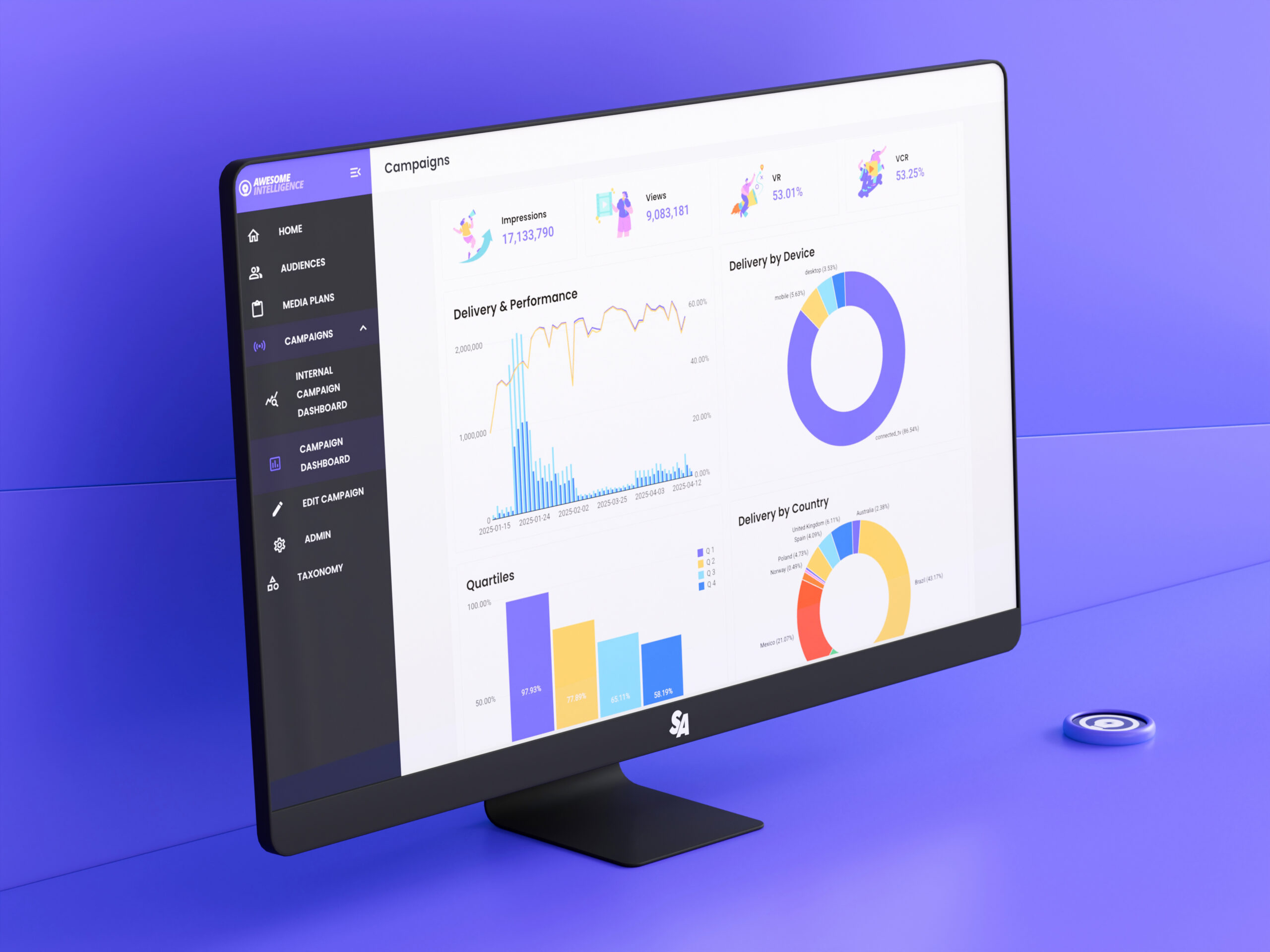
KWS is SuperAwesome’s infrastructure layer for parental consent, age-appropriate permissions, and safer under-16 digital experiences. Developers use it to verify parents, tune feature access by age and location, and stay compliant with child privacy laws. It is not a child-facing app so much as a rules and workflow system sitting underneath one.
We've reviewed SuperAwesome (KWS) against our 9-literacy developmental framework. The main growth opportunity: KWS is too infrastructural to score directly on most NL capacities.
Strengths & gaps
Strengths
- ● KWS solves a real infrastructure problem for developers serving younger users. That matters.
- ● KWS can help prevent children from being pushed into adult-oriented digital systems. That is meaningful product quality.
- ● KWS seems designed to reduce compliance friction for parents and developers, which may improve safer access in downstream products.
Gaps
- ○ KWS is too infrastructural to score directly on most NL capacities. There is little direct evidence of what a child does with KWS itself.
- ○ KWS outsources judgment and self-regulation into system rules and parental permissions. That limits developmental exercise.
- ○ KWS needs a narrower downstream child-product scope for a richer profile.
Detailed scores
How SuperAwesome (KWS) performs on each of the 9 literacies in our framework.
Doing
— 0 of 3 Strong
KWS changes permissions and account flows, but it is not a child-facing activity environment. There is no direct way to observe agency from the infrastructure alone. Agency remains Not Assessed.
The corpus does not describe challenge, recovery, or sustained effort within a KWS interaction. Persistence cannot be inferred from consent workflows. It stays Not Assessed.
KWS adapts rules by age and jurisdiction, but that is system behavior. The rubric is about the child. Adaptability is therefore Not Assessed.
Thinking
— 0 of 3 Strong
KWS may make safer downstream experiences possible, but it does not itself create exploration or questions. The evidence is too indirect to score curiosity.
There is no creative child experience in the product as scoped here. KWS handles rules and permissions, not making or expression. Creativity remains Not Assessed.
KWS helps route children into safer, age-appropriate versions of products. That is useful. But the judgment lives mainly in the rules engine and the parent approval flow, not in the child.
Being
— 0 of 3 Strong
Parents are brought into the loop by design, which is better than invisible background data collection. Still, KWS is not meant to build social connection or collaboration as a child outcome. Connection stays limited.
KWS can disable or gate features. That is structural control, not child self-regulation practice. The evidence is too indirect to score higher.
Purpose is outside the available evidence and outside the likely intent of the product. Not Assessed is the right call.
Based on 5 sources
- Product superawesome.com — kws parent verification developers
- Product superawesome.com — mobile games developer
- Product superawesome.com — 10 things developers should know about building digital services for kids
- Product superawesome.com — free parent verification
- Product superawesome.com — superawesome joins the epic games family
Reviewed by New Literacies
Scored by our research-derived framework · AI-assisted analysis with editorial review · 5 sources reviewed · Our methodology →
Get the next guide before it goes live
One email when a new product review ships.
Free. No spam. Unsubscribe anytime.