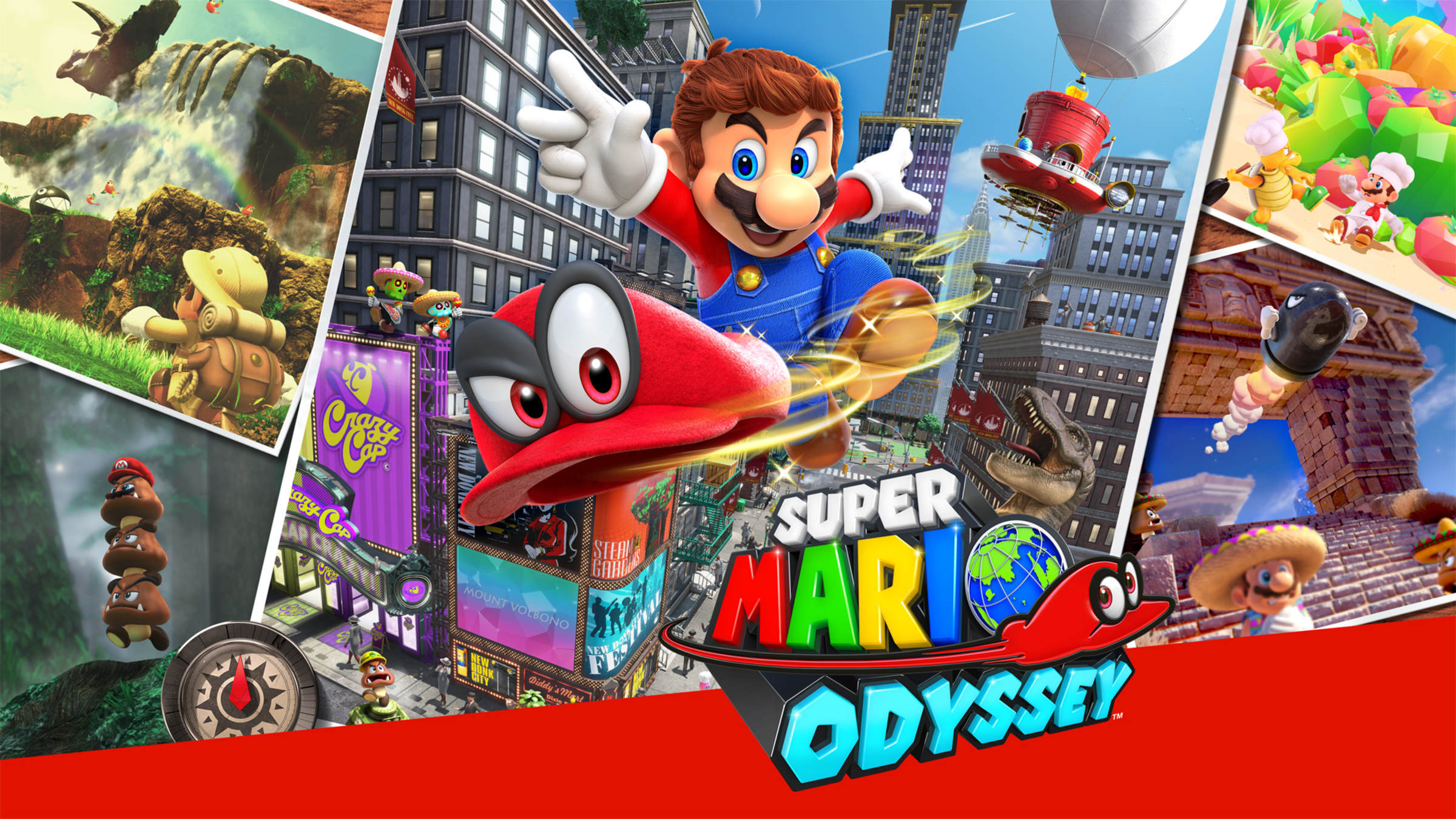
Super Mario Odyssey
Ages 5-12 · paid · Product · nintendo.com ↗
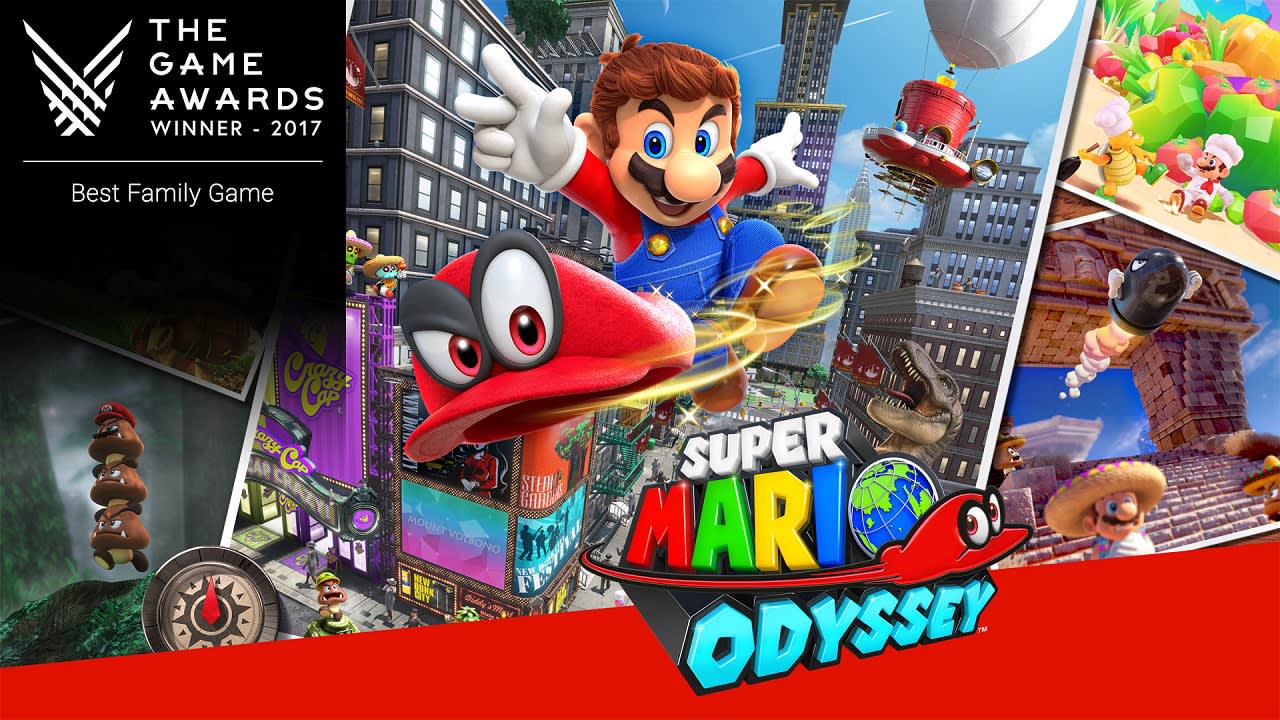
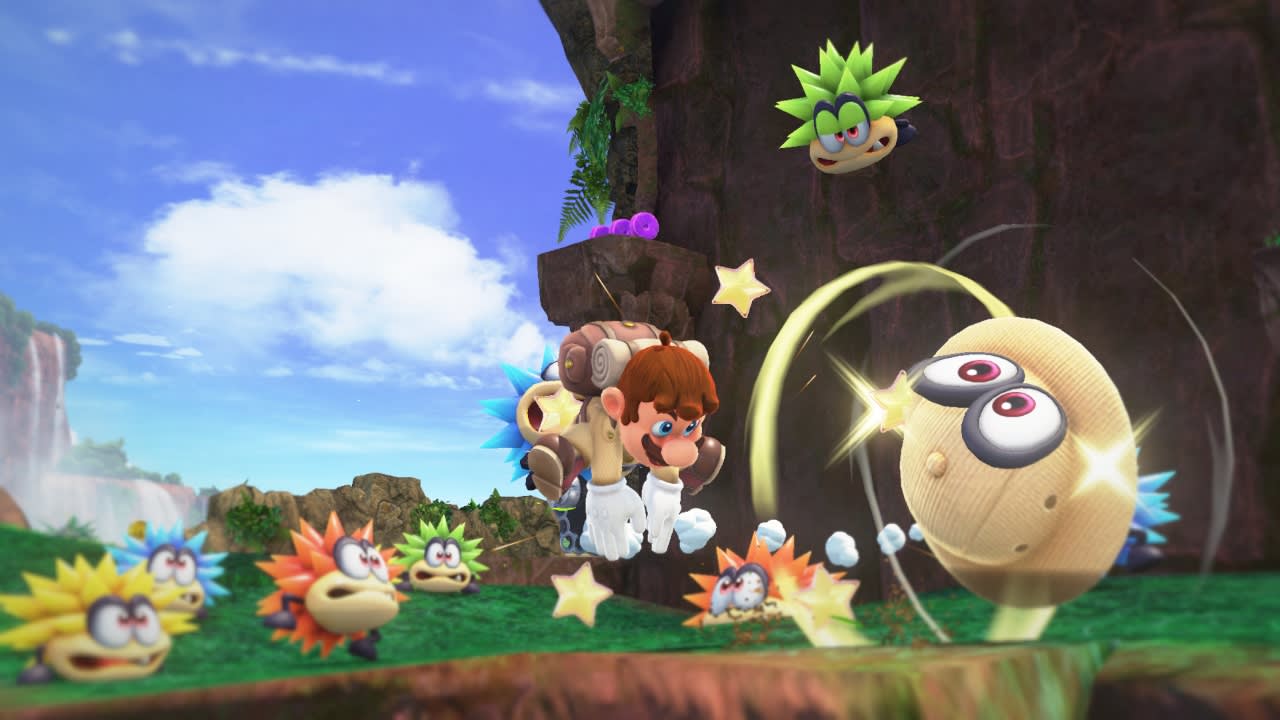
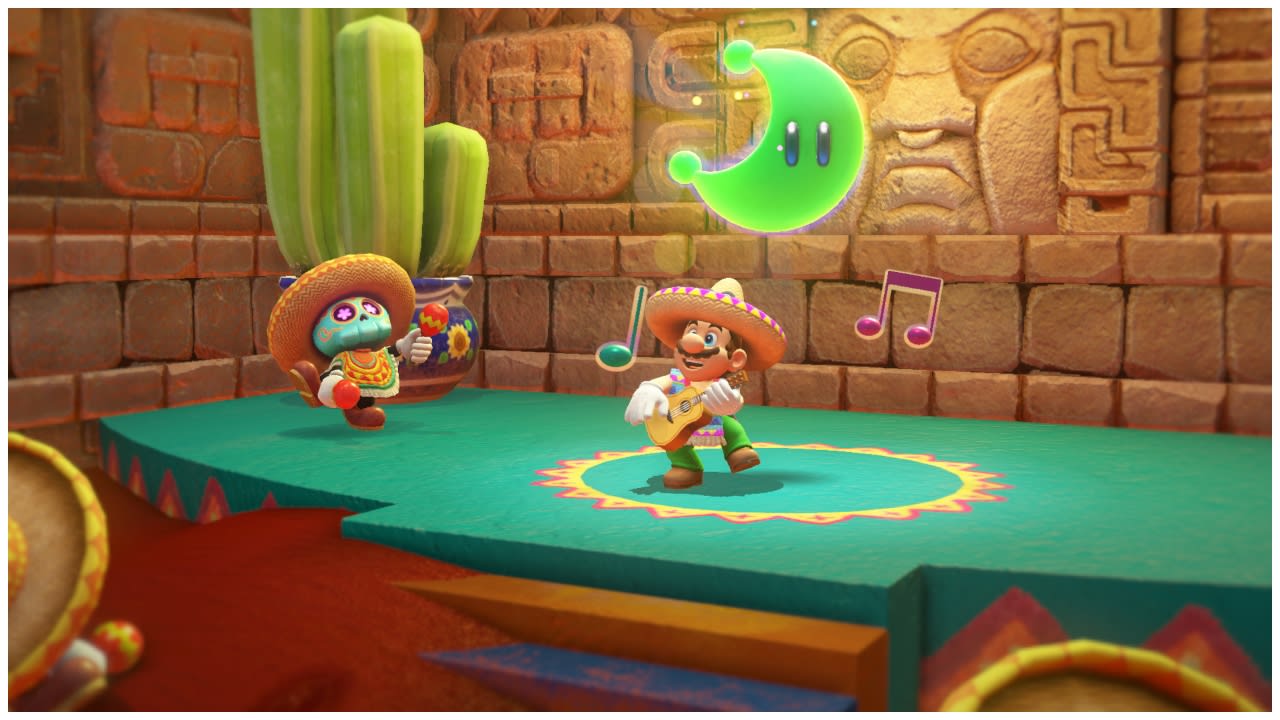
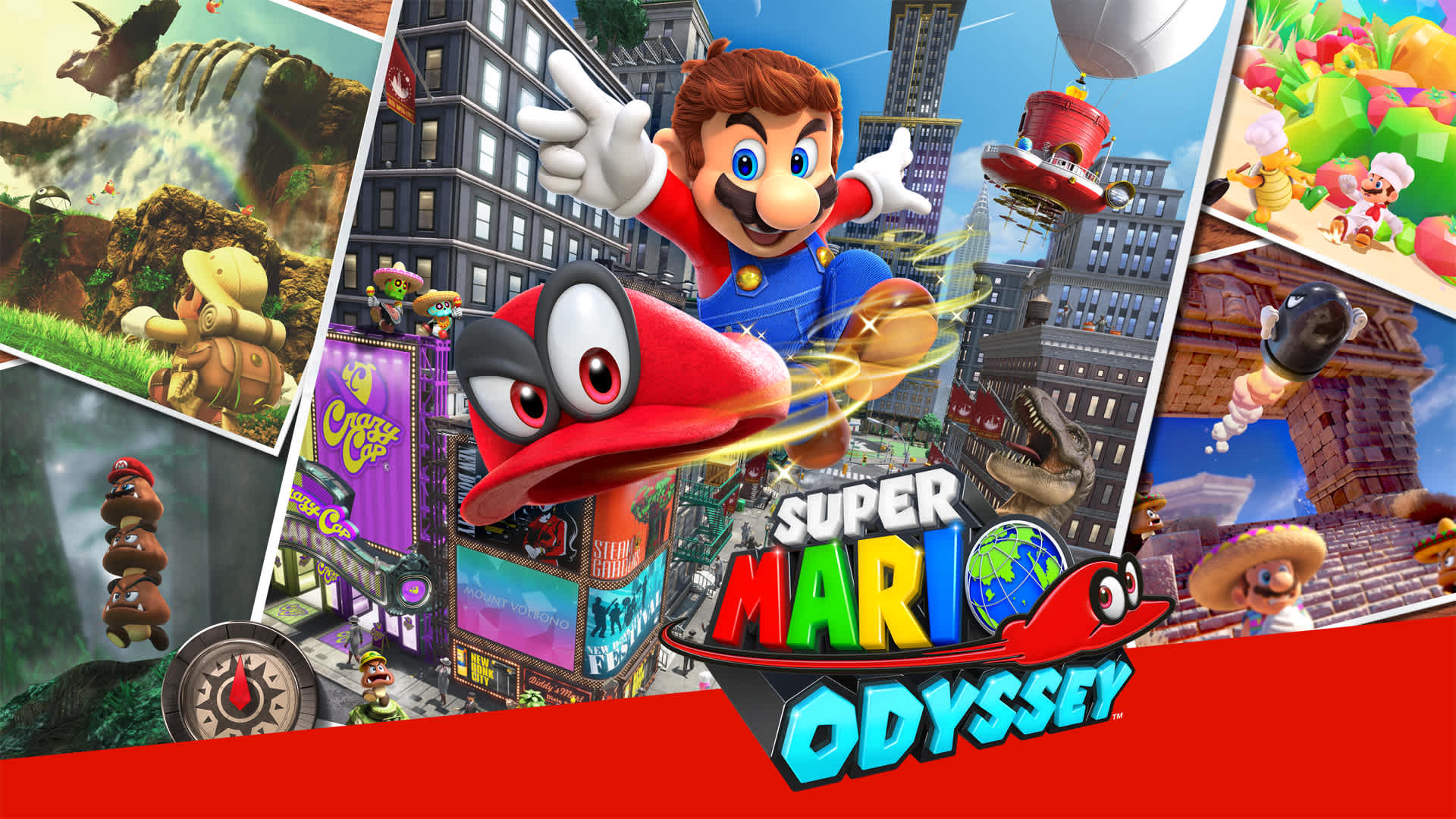
Super Mario Odyssey is a 3D platforming adventure built around exploration, movement, and secrets. Kids run, jump, throw Cappy, and use capture abilities to take over enemies and objects with new movement patterns. Each kingdom is full of hidden moons, side challenges, and alternate routes.
Super Mario Odyssey has focused developmental strength worth knowing about. It builds persistence, curiosity. The main growth opportunity: creativity is real but bounded. Kids improvise within Nintendo's systems rather than making something of their own.
Strengths & gaps
Strengths
- ● Odyssey is strong for Persistence. The game keeps asking kids to try again, refine movement, and stay with a challenge.
- ● Curiosity is the other standout. Hidden moons, tucked-away spaces, and playful captures make exploration itself rewarding.
Gaps
- ○ Creativity is real but bounded. Kids improvise within Nintendo's systems rather than making something of their own.
- ○ Connection and Purpose are not central here. This is mostly a solo action-adventure game.
Detailed scores
How Super Mario Odyssey performs on each of the 9 literacies in our framework.
Doing
— 1 of 3 Strong
Super Mario Odyssey gives kids freedom inside each kingdom. They can roam, chase secrets, and decide which moons to hunt first. But they are still moving through a heavily designed adventure with fixed victory conditions.
Odyssey consistently builds persistence through movement challenges. Precise jumps, boss attempts, and repeated platforming failures make retrying part of the normal loop. This is one of the clearest practice grounds for sticking with difficulty in Batch 43's game set.
Every kingdom shifts the environment and often the rules of traversal. Cappy captures add another layer because kids suddenly need to think and move like a tank, frog, wire, or enemy. That keeps flexibility active without making adaptability the whole point of the game.
Thinking
— 1 of 3 Strong
Odyssey strongly rewards asking "what's over there?" or "what if I try this?" Secret moons, hidden rooms, and off-path discoveries are everywhere. The game makes exploration feel playful rather than dutiful.
Creativity shows up through improvisation, not open making. Kids combine moves, exploit capture mechanics, and find quirky ways through spaces. But they are not building or designing in the stronger constructionist sense.
Kids make small but real decisions constantly: which route is safer, which jump is worth attempting, which capture solves the problem fastest. Those judgments matter, but they stay tactical and local.
Being
— 0 of 3 Strong
Odyssey includes co-op, but that is not the main design center. Most of the developmental weight falls on solo exploration and mastery.
The game pushes emotional control through repeated mistakes. Kids need to recover from frustration, especially in harder sections. Assist mode lowers that demand, which is useful for accessibility but also softens the training effect.
Mario has a clear mission, but the game is not really about values, contribution, or identity. Purpose is outside the product's main design.
Based on 3 sources
Reviewed by New Literacies
Scored by our research-derived framework · AI-assisted analysis with editorial review · 3 sources reviewed · Our methodology →
Get the next guide before it goes live
One email when a new product review ships.
Free. No spam. Unsubscribe anytime.
See other products strong in the same literacies: