Suno
Ages 8-12 · freemium · AI Product · suno.com ↗

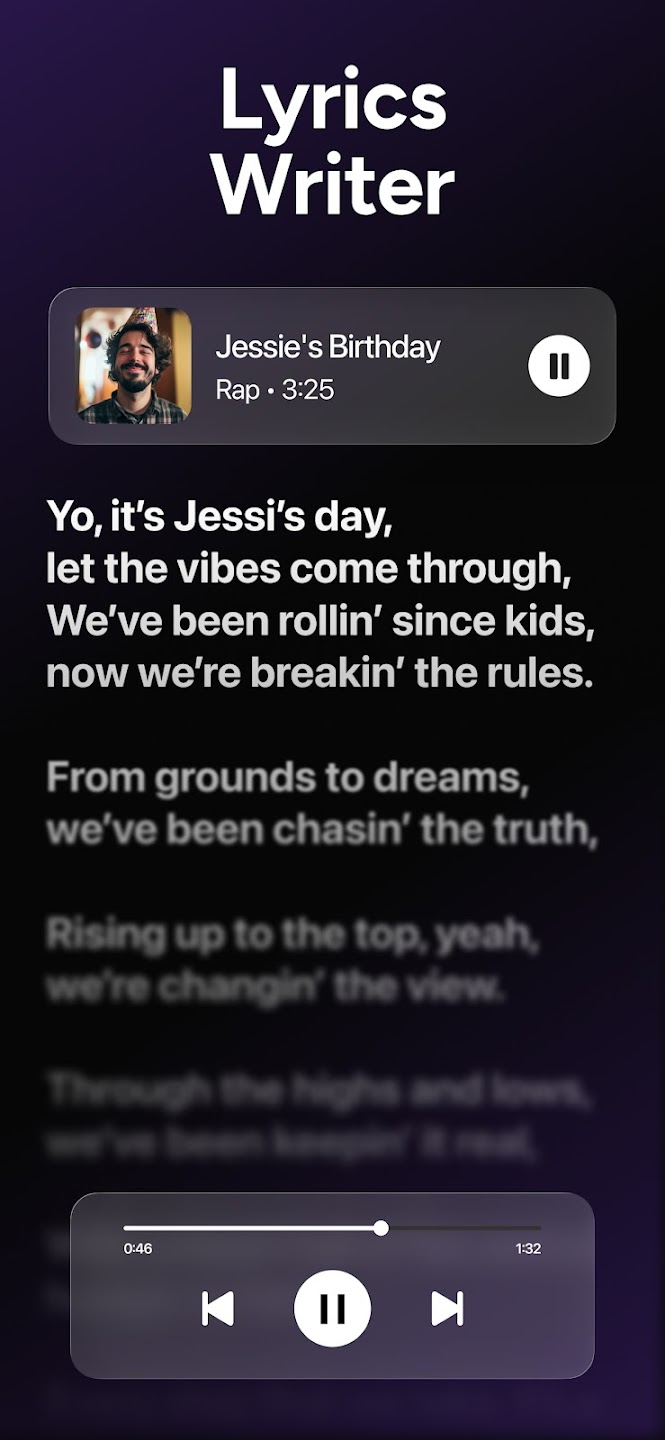
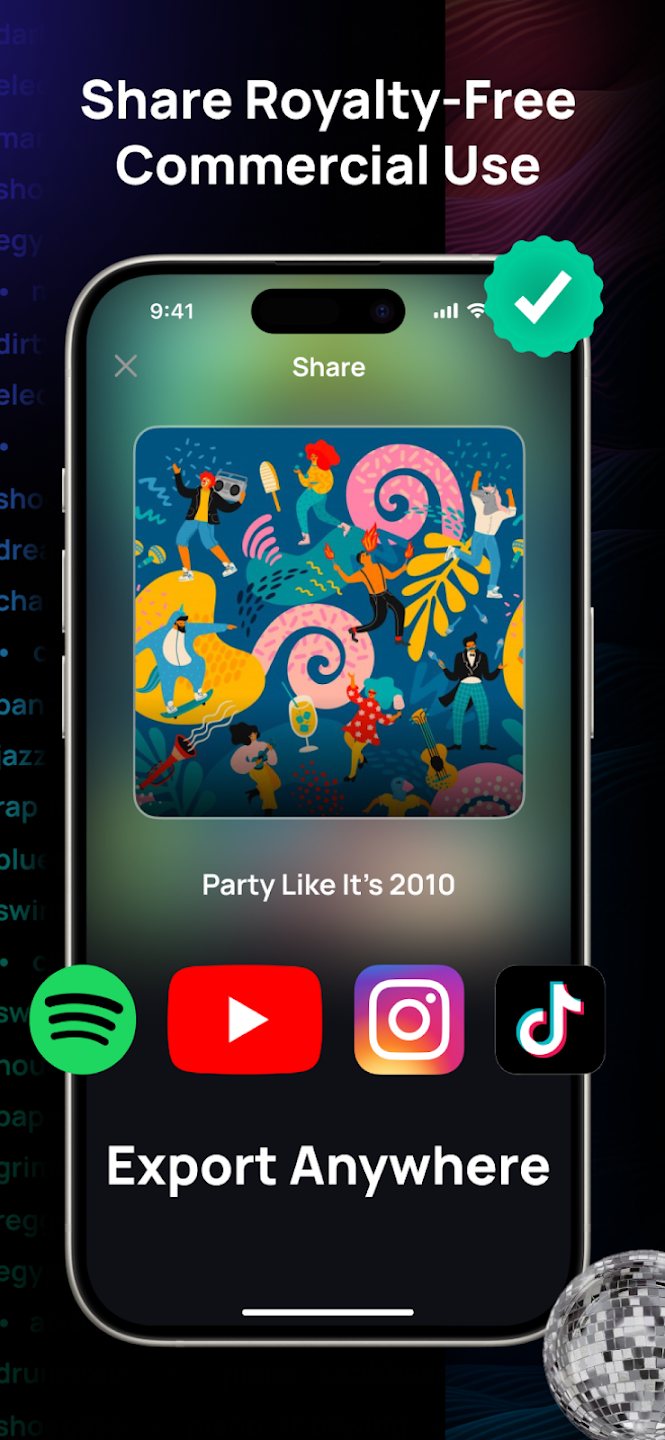

Suno is an AI music app that turns a text prompt into a finished song in seconds. A child can describe a genre, mood, or scene, add lyrics, then save, remix, or publish the result to Suno's public feed. The experience is less like learning an instrument and more like directing a very fast music generator.
We've reviewed Suno against our 9-literacy developmental framework. The main growth opportunity: suno doesn't do much to build persistence. The hard parts of music-making are mostly outsourced.
Strengths & gaps
Strengths
- ● Suno lowers the barrier to musical expression. A child with an idea can hear it become a song almost immediately.
- ● Suno supports exploratory play across genre and tone. Kids can test weird combinations quickly and hear how prompts change output.
Gaps
- ○ Suno doesn't do much to build persistence. The hard parts of music-making are mostly outsourced.
- ○ Suno automates too much craft to be a strong creativity tool. Kids direct the system more than they compose.
- ○ Suno's fast feed-and-remix loop can reward novelty chasing over focus.
Detailed scores
How Suno performs on each of the 9 literacies in our framework.
Doing
— 0 of 3 Strong
Suno gives the child a real starting role. They choose the concept, mood, lyrics, and whether to remix or publish. But Suno still handles the actual composition, arrangement, and performance, so the child isn't fully in charge of the finished artifact.
Suno is built for immediacy. A song appears within seconds, so the child doesn't need to work through difficulty for very long. That makes the experience engaging, but weak for persistence.
Children can learn from rewording prompts after a weak result. That does create some experimentation. But most of the adjustment is shallow prompt tuning, not the deeper process of changing methods and understanding why.
Thinking
— 0 of 3 Strong
Suno makes "what happens if I try this?" very cheap. That supports exploration across genres, voices, and lyrical ideas. The downside is that curiosity can stay broad and fast instead of becoming deep.
Suno can help a child move from idea to artifact. That's meaningful, especially for kids without musical training. But the system also supplies melody, arrangement, and polish, so it bypasses a lot of the creative struggle that builds durable craft.
Children can decide which output they like better, but Suno doesn't teach the structure behind those choices. The tool often makes polished songs that feel generic, so it can blur the line between surface quality and stronger artistic judgment.
Being
— 0 of 3 Strong
Suno's public feed and remix features give children a way to respond to other creators. That's better than a fully isolated tool. Still, it is lighter than true collaboration or shared music-making.
Suno is optimized for quick novelty. Daily credits, rapid results, and constant browsing make it easy to keep generating instead of staying with one track. That works against sustained attention.
Suno can support purposeful creation if a child brings a goal into it. The product itself doesn't provide that structure.
Based on 5 sources
Reviewed by New Literacies
Scored by our research-derived framework · AI-assisted analysis with editorial review · 5 sources reviewed · Our methodology →
Get the next guide before it goes live
One email when a new product review ships.
Free. No spam. Unsubscribe anytime.