Storypod
Ages 0-8 · paid · Product · mystorypod.com ↗
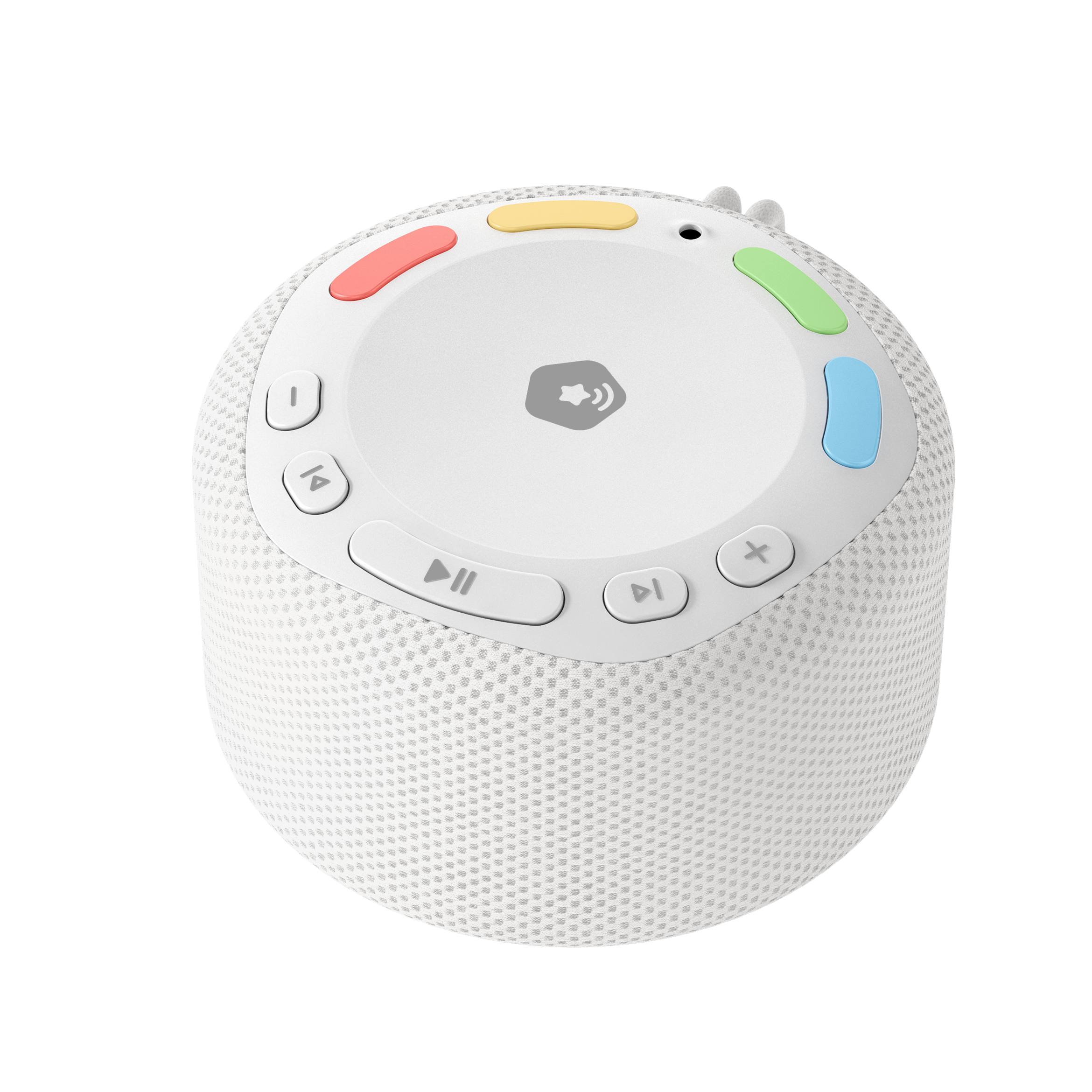
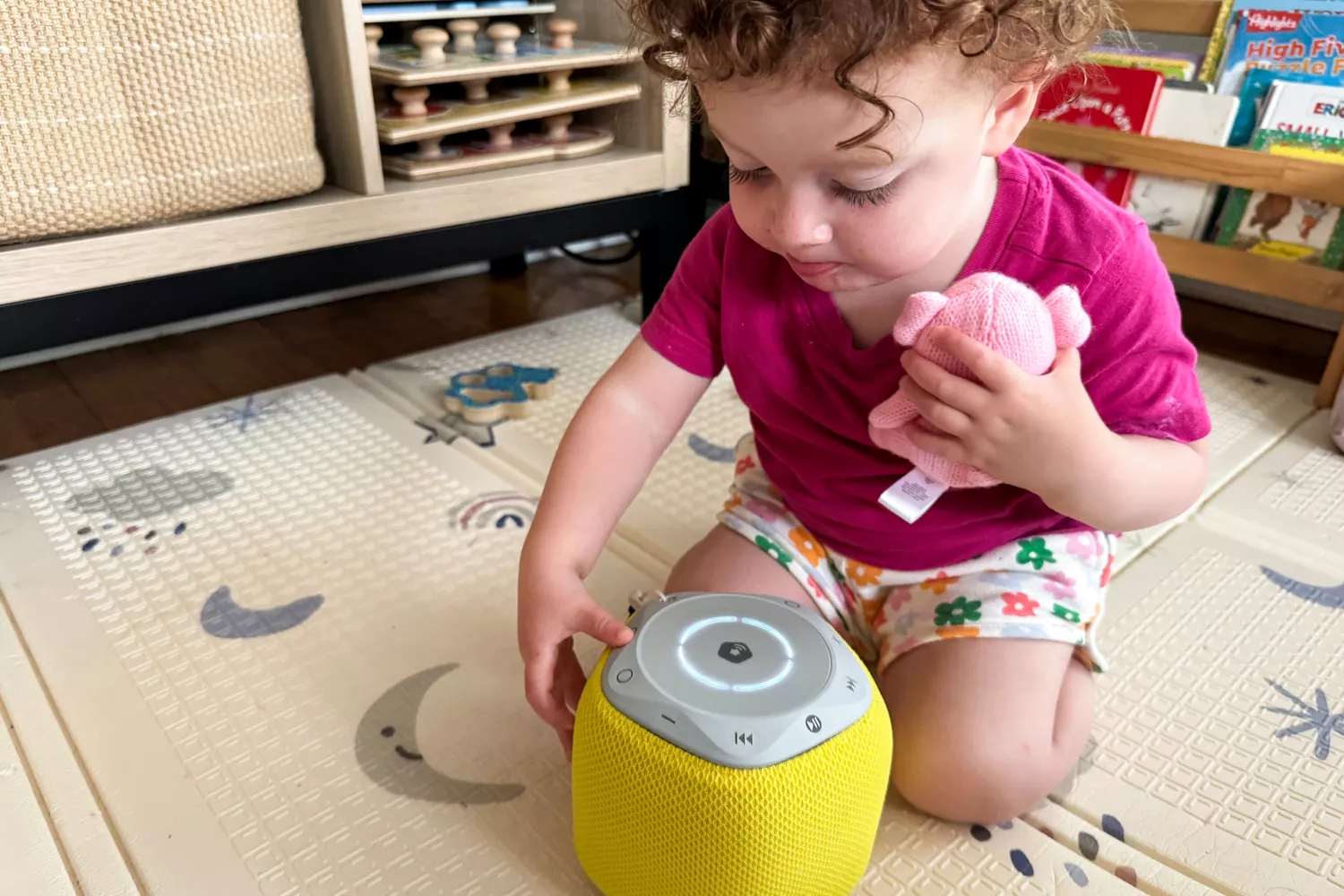
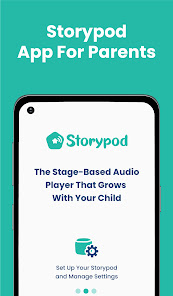
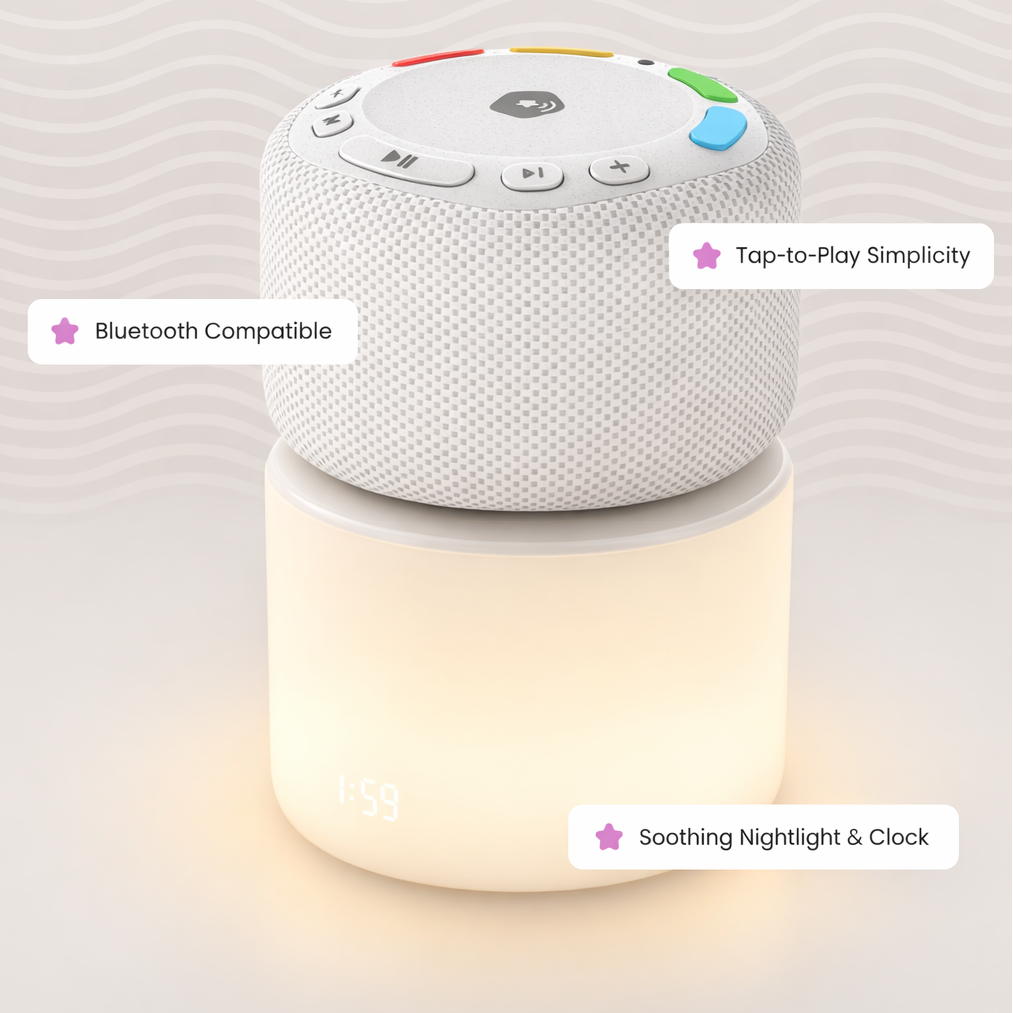
Storypod is a screen-free audio player built around Crafties, tokens, stickers, and recordable messages. A child taps a content piece on top of the speaker and the matching stories, songs, lessons, or bedtime sounds start right away. It works best as a routine device. Parents use the app to manage content, set bedtime mode, and record family voices, while kids mostly listen, choose, and replay.
We've reviewed Storypod against our 9-literacy developmental framework. The main growth opportunity: Storypod does not build much persistence or adaptability.
Strengths & gaps
Strengths
- ● Storypod is easy for young children to operate. The tap-to-play interface and few buttons make it accessible without much adult help.
- ● It has strong routine value. Bedtime mode, sleep sounds, and remote controls fit the way families actually use it.
- ● Recordables add a real family layer. Parents can record books and messages, which makes the player feel personal.
Gaps
- ○ Storypod does not build much persistence or adaptability. The child mostly listens; the device does not ask for struggle.
- ○ Judgment and purpose are outside its core design. It is a listening system, not a decision-making or values tool.
- ○ The product depends on content pieces. When crafties are sold out or the app is flaky, the experience gets thinner.
Detailed scores
How Storypod performs on each of the 9 literacies in our framework.
Doing
— 0 of 3 Strong
Storypod gives kids direct physical control once the setup is done. They can pick a Craftie, tap a sticker, and manage playback themselves. But the content is still adult-curated, so the child is choosing among options rather than driving their own goal.
The box is designed to be easy and immediate. Kids get audio the moment they tap a content piece, and there is no real struggle to push through. That makes it appealing, but it does not train persistence.
Swapping from one Craftie to another changes the audio, not the method. Kids do not need to revise a plan or try a new strategy. The product is a selector, not an adaptability exercise.
Thinking
— 0 of 3 Strong
Storypod offers a wide library of stories, songs, lessons, trivia, emotions, and bedtime content. That variety can pull a child into more listening and more questions. Still, the product is curated, so it sparks curiosity more than it cultivates deep inquiry.
Recordables let families create personalized audio from books, messages, and memories. That is more than passive listening. Even so, the child usually hears the creation rather than generating it from scratch inside the system.
Storypod does not ask a 0-8-year-old to compare evidence or weigh tradeoffs. Choosing a favorite Craftie is a preference, not judgment practice. This capacity is not really in scope.
Being
— 0 of 3 Strong
The product can carry a parent voice or family message. But it does not build two-way interaction, collaboration, or peer belonging. Any connection comes from the family around it.
Bedtime mode and sleep content help children settle into routines. The app can also lock volume and power down remotely, which is useful for families. Storypod supports regulation well, but it does not explicitly teach coping skills.
Storypod is about listening, play, and routines. It does not connect effort to values, service, or identity. Purpose is outside the product's design.
Based on 12 sources
- Product pubmed.ncbi.nlm.nih.gov —
- Product pmc.ncbi.nlm.nih.gov — PMC
- Product pmc.ncbi.nlm.nih.gov — PMC
- Product parents.com — best music player for kids
- Product justtoclaireify.com — storypod review benefits of audiobooks for kids
- Product apps.apple.com — id
- Product play.google.com — details
- Product reddit.com — storypod_reviews
- Product storypod.com
- Product storypod.com — how storypod works
- Product storypod.com — crafties
- Product storypod.com — storypod story sticker 3 pack
Reviewed by New Literacies
Scored by our research-derived framework · AI-assisted analysis with editorial review · 12 sources reviewed · Our methodology →
Get the next guide before it goes live
One email when a new product review ships.
Free. No spam. Unsubscribe anytime.