
StoryBud
Ages 3-8 · freemium · AI Product · storybud.com ↗

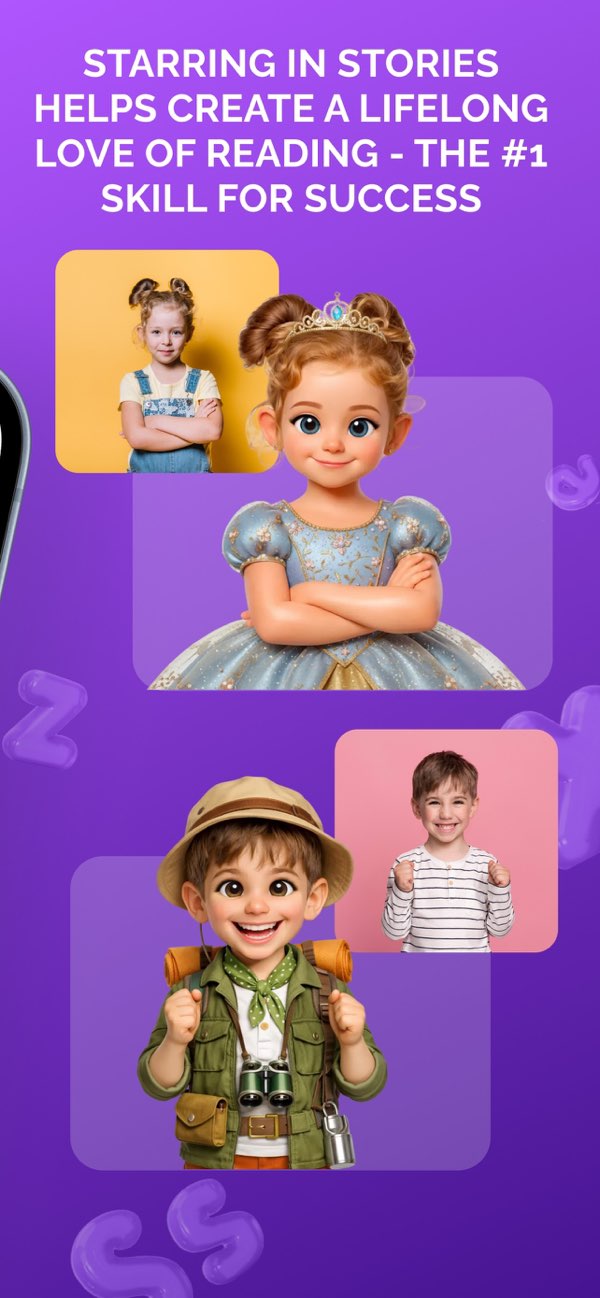
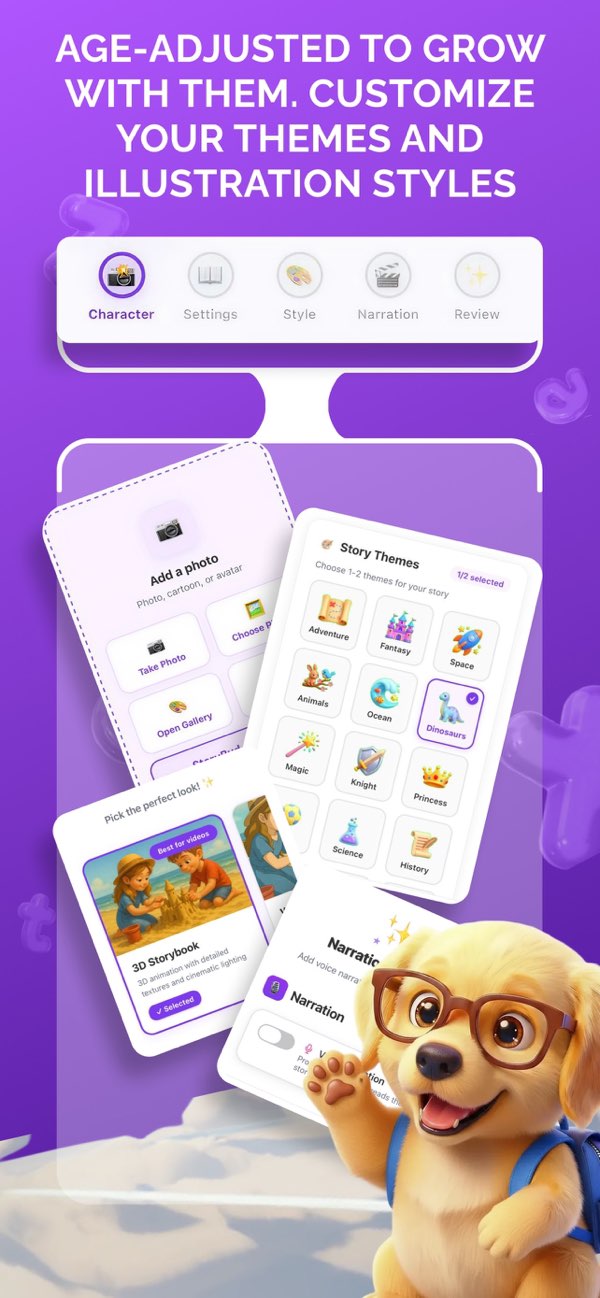
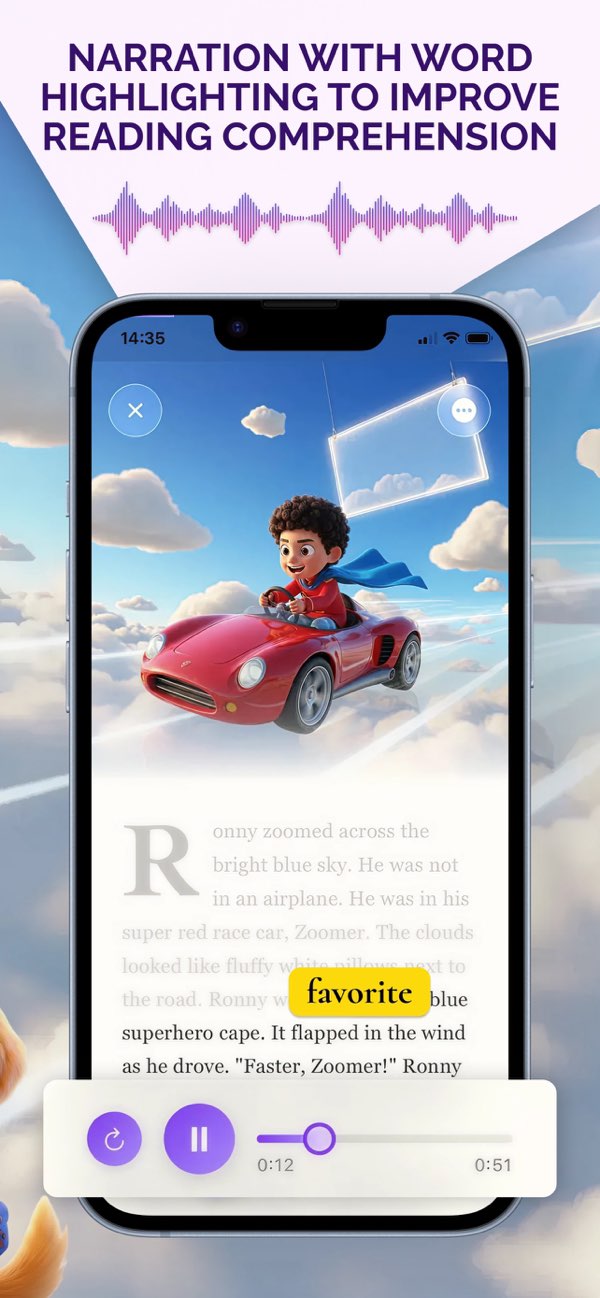
StoryBud is a personalized story app for young children. It turns the child into the hero of an illustrated bedtime story, then layers in narration and read-along supports like word-by-word highlighting. The core use case is less "write your own book" and more "make reading feel personal enough that kids want to come back to it."
We've reviewed StoryBud against our 9-literacy developmental framework. The main growth opportunity: storyBud does not ask much child authorship. The child is the star of the story, but not usually the maker of it.
Full review
The NL Score measures developmental capacity-building, not product quality.
Strengths & gaps
Strengths
- ● StoryBud is strongest as an engagement tool. Putting the child at the center of the story can make reading feel unusually sticky.
- ● The bedtime framing matters. Narration, repeat use, and read-along support give the product a clearer routine value than a generic story generator.
Gaps
- ○ StoryBud does not ask much child authorship. The child is the star of the story, but not usually the maker of it.
- ○ Most of the connection and regulation value comes from how adults use the product with the child, not from the app alone.
- ○ The evidence base is thin and mostly self-reported by the company.
Detailed scores
How StoryBud performs on each of the 9 literacies in our framework.
Doing
— 0 of 3 Strong
StoryBud gives the child personal relevance. Seeing yourself inside the story can make the experience feel chosen and owned. But the product appears to generate and deliver the story rather than asking the child to author it. That makes Agency real, though limited.
StoryBud is built around the idea that children will want to hear the story again. That kind of re-reading matters, especially for early literacy. It is not the same as hard productive struggle, but it does support follow-through and return engagement.
The child does not appear to be changing strategies or solving new kinds of problems. StoryBud personalizes content around the child. It does not strongly train flexibility in the child.
Thinking
— 0 of 3 Strong
The strongest curiosity hook is personal relevance. A child often wants to know what happens next when they are the hero. But StoryBud is not built for open exploration or questioning. The curiosity is story-driven and contained.
This is not mainly a creation tool. The platform personalizes and presents stories, which can feel imaginative, but the child's own generative work is not the center of the experience. Creativity therefore stays low.
The evidence collected here shows little editorial or analytic load for the child. StoryBud looks designed to reduce decisions and deliver a polished bedtime experience. Judgment is not a major exercise point.
Being
— 0 of 3 Strong
StoryBud's best connection case is family use. Personalized bedtime reading can create a strong shared moment, especially with young children. But that benefit is largely relational context layered on top of the app, not a built-in social system.
Regular bedtime stories can help some children settle into a calmer routine. StoryBud's narration and read-along features may support that kind of rhythm. It does not explicitly teach self-regulation, but it may support the conditions for it.
StoryBud gives reading a personal stake. The child is not just consuming a generic book; they are meeting themselves inside the narrative. That makes the experience feel more meaningful, even if the purpose signal stays fairly light.
Based on 3 sources
Reviewed by New Literacies
Scored by our research-derived framework · AI-assisted analysis with editorial review · 3 sources reviewed · Our methodology →
Get the next guide before it goes live
One email when a new product review ships.
Free. No spam. Unsubscribe anytime.