
Stop Motion Studio
Ages 6-16 · freemium · Product · cateater.com ↗
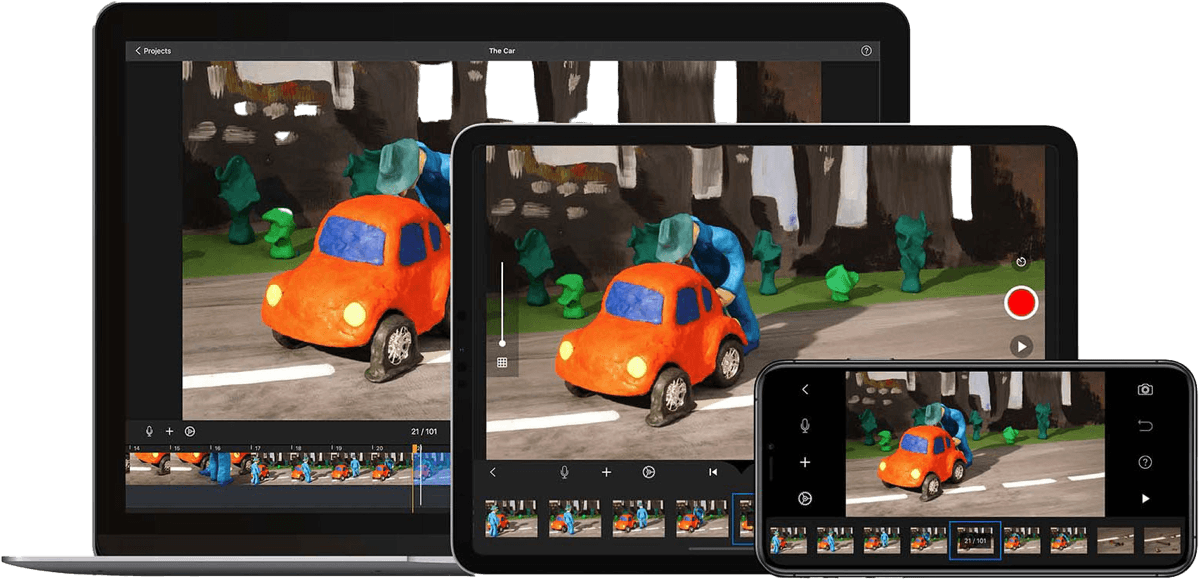
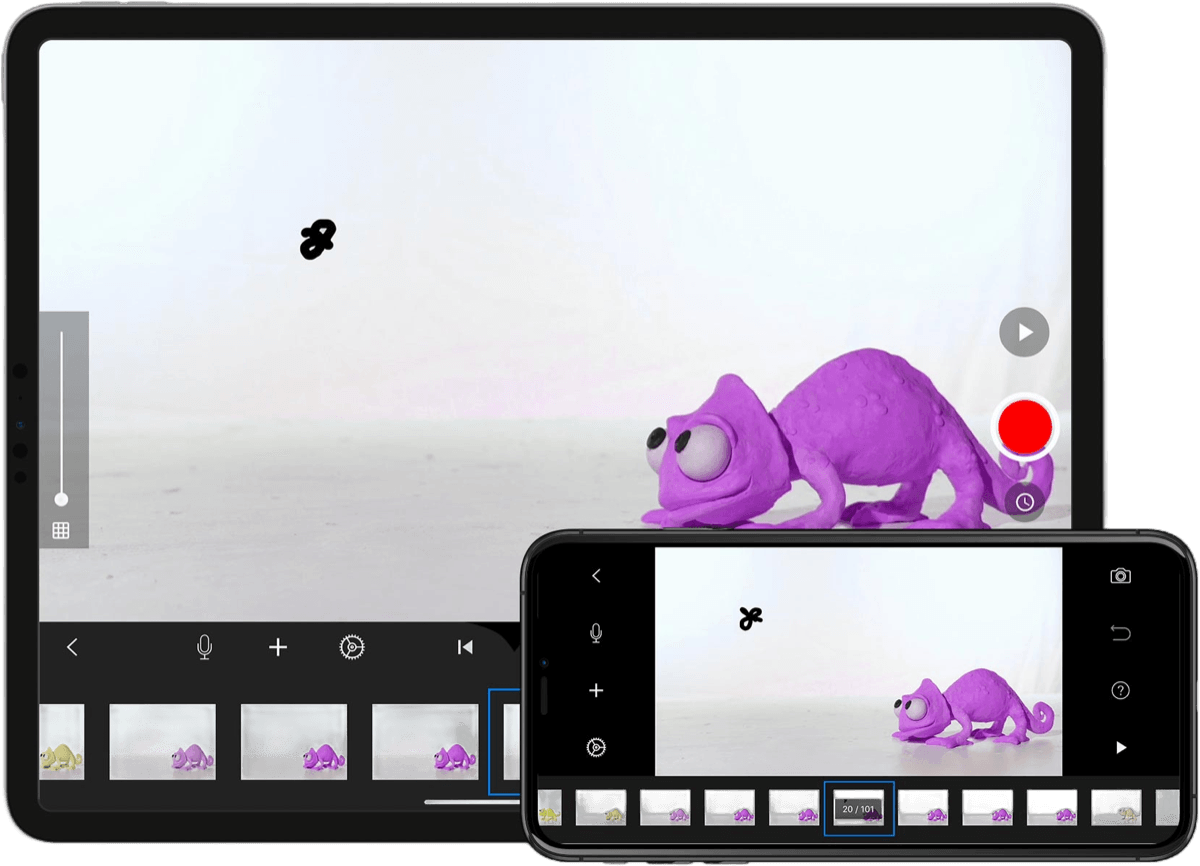
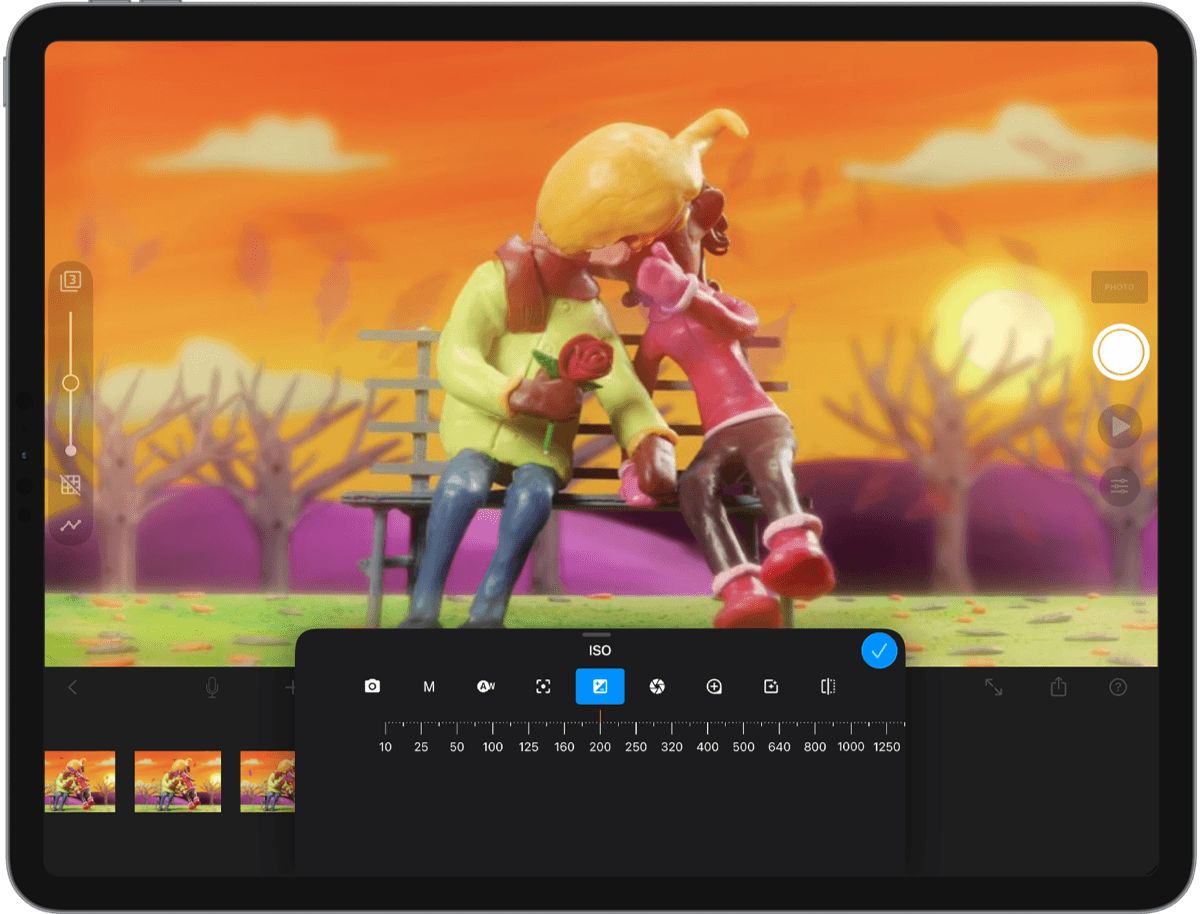
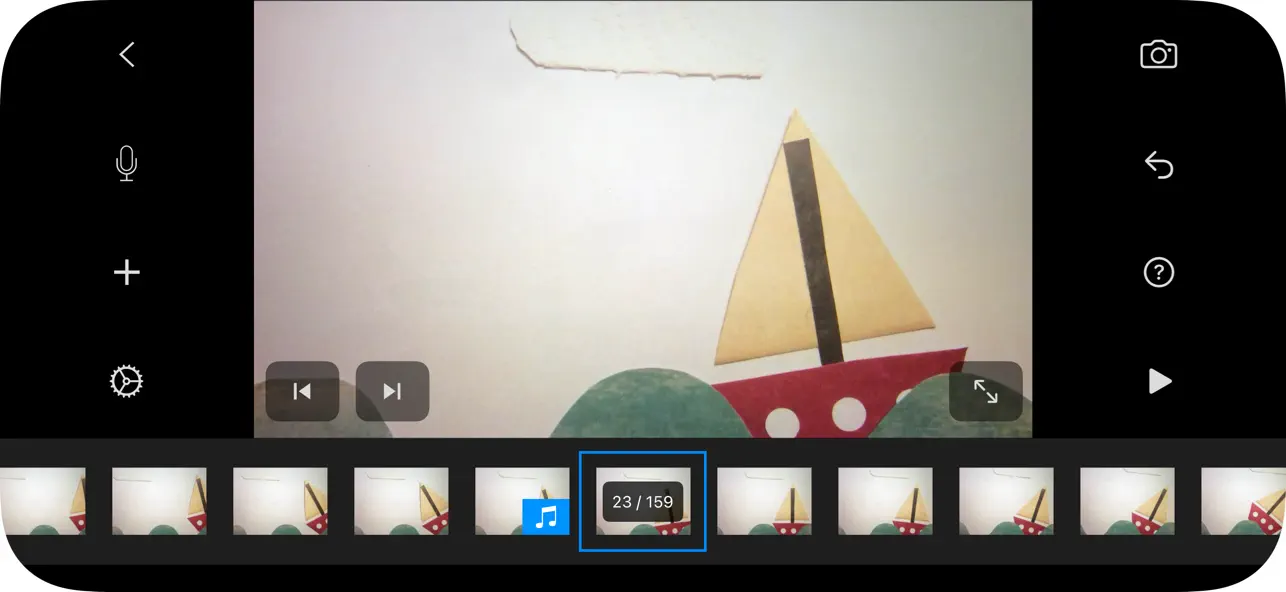
Stop Motion Studio is a phone/tablet app that turns kids into frame-by-frame animators. They set up physical objects — LEGO figures, clay, paper cutouts, toys — move them in tiny increments, and snap a photo after each move. The app stitches the frames into a video, with an onion-skin overlay to help line up the next shot. Kids can add sound effects, titles, green-screen backgrounds, and transitions, then export the finished film to share.
Stop Motion Studio stands out for developmental impact across multiple literacies. It builds hands-on skills, creativity. The main growth opportunity: connection depends on context. The app can support group work, but it does not require collaboration or communication.
Strengths & gaps
Strengths
- ● Stop Motion Studio is strong for Agency and Creativity because the child is the author. The app gives tools, not a script, and the child decides what gets filmed, how it moves, and when the film is done.
- ● Persistence is built into the medium. A finished clip requires many tiny actions, so kids feel the cost of patience and the payoff of sustained work.
- ● It works well in classrooms and families. Teacher reviews describe group projects, science demos, and historical reenactments, which gives the app a real shared-use path.
Gaps
- ○ Connection depends on context. The app can support group work, but it does not require collaboration or communication.
- ○ Judgment stays mostly technical. Kids make many editing choices, but the app does not push broader evaluative reasoning.
- ○ Purpose is present only as an outcome of use. A child may discover filmmaking or storytelling, but the app does not connect that work to identity or contribution.
Detailed scores
How Stop Motion Studio performs on each of the 9 literacies in our framework.
Doing
— 2 of 3 Strong
Stop Motion Studio gives the child real authorship. They decide what to animate, how to stage it, how long a shot should last, and when the film is finished. Common Sense Media and the educator reviews both describe the app as a creation tool that kids can use to tell their own stories.
Stop Motion Studio makes effort visible. Every film depends on repeated frame capture, tiny adjustments, and a long sequence of small actions that cannot be skipped. The result is a medium that rewards patience instead of speed.
The app repeatedly forces kids to adjust when timing, lighting, or framing does not work. The official site emphasizes manual camera controls, onion skin, and editing tools that help with troubleshooting. But the core process stays the same across projects, so this is strategy refinement rather than deep switching.
Thinking
— 1 of 3 Strong
Kids can explore green screen, rotoscoping, sound, titles, and other effects. That creates technique curiosity and invites experimentation. But it does not create the kind of open-ended knowledge gap that would make curiosity Strong.
The child starts with a blank slate and turns physical objects, drawings, and camera shots into an original film. The app supports real making, real revision, and real ownership. That is exactly what a Strong creativity product should do.
Kids constantly decide what looks right: the pace of a shot, where to cut, how to layer sound, and whether a scene needs another pass. Those are real judgments. They are mostly aesthetic and technical, though, not the deeper kind of evaluative reasoning the rubric reserves for Strong.
Being
— 0 of 3 Strong
Stop Motion Studio works well when families or classrooms use it together. Teachers describe group roles, shared projects, and students presenting to one another. But the app itself is still solo by default, so the social layer comes from context rather than design.
The app creates real frustration practice because stop-motion is slow and fussy. Kids have to keep going after mistakes, and they learn that a good result takes patience. The app does not teach coping strategies, so the regulation gain is indirect.
The finished film can matter to a child in a real way. They can show it to family, classmates, or a teacher, and that creates a sense of contribution. But the app does not connect the work to identity or values, so Purpose stays moderate.
Based on 7 sources
- Review commonsensemedia.org — stop motion studio
- Review commonsense.org — stop motion studio
- Product techlearning.com — what is stop motion studio and how does it work best tips and tricks
- Product stopmotionstudio.com
- Product cateater.com — education
- Product play.google.com — details
- Product apps.apple.com — id
Reviewed by New Literacies
Scored by our research-derived framework · AI-assisted analysis with editorial review · 7 sources reviewed · Our methodology →
Get the next guide before it goes live
One email when a new product review ships.
Free. No spam. Unsubscribe anytime.
See other products strong in the same literacies: