
ST Math
Ages 4-14 · paid · Curriculum · stmath.com ↗
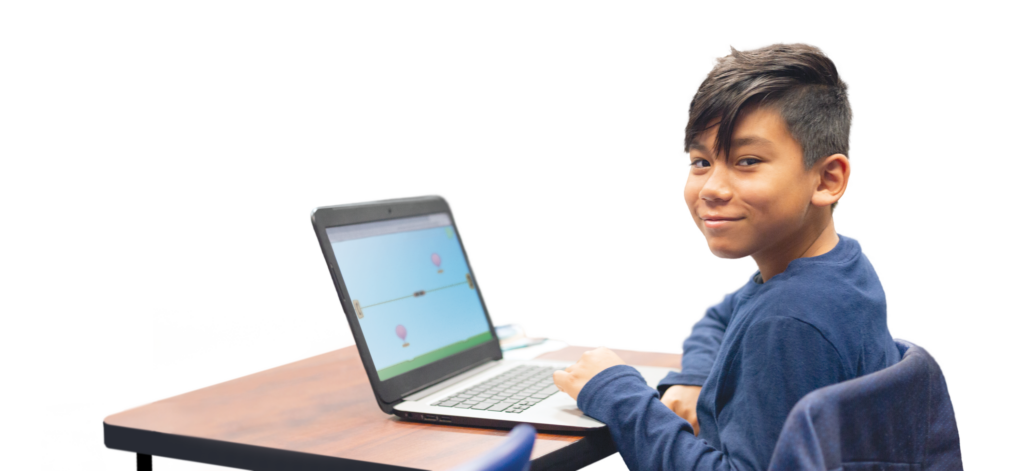

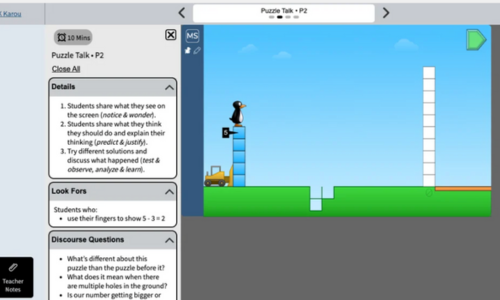
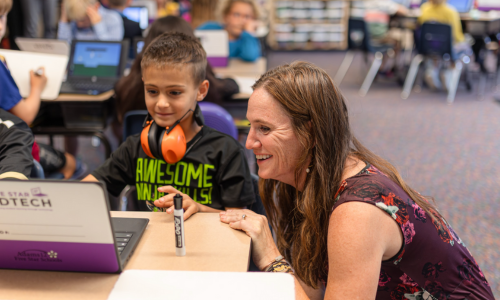
ST Math is a visual math program built around silent puzzle sequences rather than verbal instruction. Kids move objects, test patterns, and learn concepts by figuring out what each puzzle is asking. The mascot JiJi gives it a game feel, but the core experience is repeated conceptual problem solving.
ST Math stands out for developmental impact across multiple literacies. It builds hands-on skills, curiosity. The main growth opportunity: sT Math is still a closed puzzle system. It does not build connection and does little for purpose.
Strengths & gaps
Strengths
- ● ST Math is unusually strong for Persistence. It asks children to stay with hard puzzles instead of handing them the rule upfront.
- ● ST Math also spikes on Adaptability and Curiosity. The visual puzzle structure makes kids test ideas, notice patterns, and change strategy when the old move stops working.
Gaps
- ○ ST Math is still a closed puzzle system. It does not build connection and does little for purpose.
- ○ The same feature that makes it developmentally interesting can also make it frustrating. Kids who need more explicit verbal scaffolding may hit a wall.
Detailed scores
How ST Math performs on each of the 9 literacies in our framework.
Doing
— 2 of 3 Strong
ST Math makes the child active. They are constantly trying moves and seeing consequences. But the child does not set the goals. The system still controls the challenge space.
ST Math is built around not knowing the answer right away. Kids have to stay with confusion, fail, and try again. That is genuine persistence practice, not cosmetic gamification.
Old strategies stop working in ST Math all the time. The child has to notice what changed and try something else. That repeated strategy shifting is exactly what Adaptability looks like.
Thinking
— 1 of 3 Strong
ST Math creates real "what is this puzzle asking?" moments. The product works because the child wants to resolve that uncertainty. Few school math tools create curiosity this directly.
ST Math allows clever solution finding. Children invent paths through a puzzle. But they are still solving bounded tasks, not making something of their own.
Children evaluate moves, compare outcomes, and revise after failure. That builds analytical judgment in a narrow domain. It does not become broad real-world judgment.
Being
— 0 of 3 Strong
ST Math is mostly solitary. Any conversation around it comes from the classroom, not the product.
ST Math gives kids plenty of chances to get frustrated and recover. That matters. But it doesn't name emotions or teach concrete calming strategies.
ST Math can help children feel capable in math. It does not directly connect that work to contribution, values, or identity.
Based on 4 sources
- Review commonsense.org —
- Product stmath.com
- Product help.stmath.com — 31147884758935 What is ST Math
- Product evidenceforessa.org — st math spatial temporal math
Reviewed by New Literacies
Scored by our research-derived framework · AI-assisted analysis with editorial review · 4 sources reviewed · Our methodology →
Personalization bridge
Not sure what your kid needs most?
Take the quiz to see which literacies matter most for your family, then get practical things to try at home.
Get your family profileExplore more
See other products strong in the same literacies: