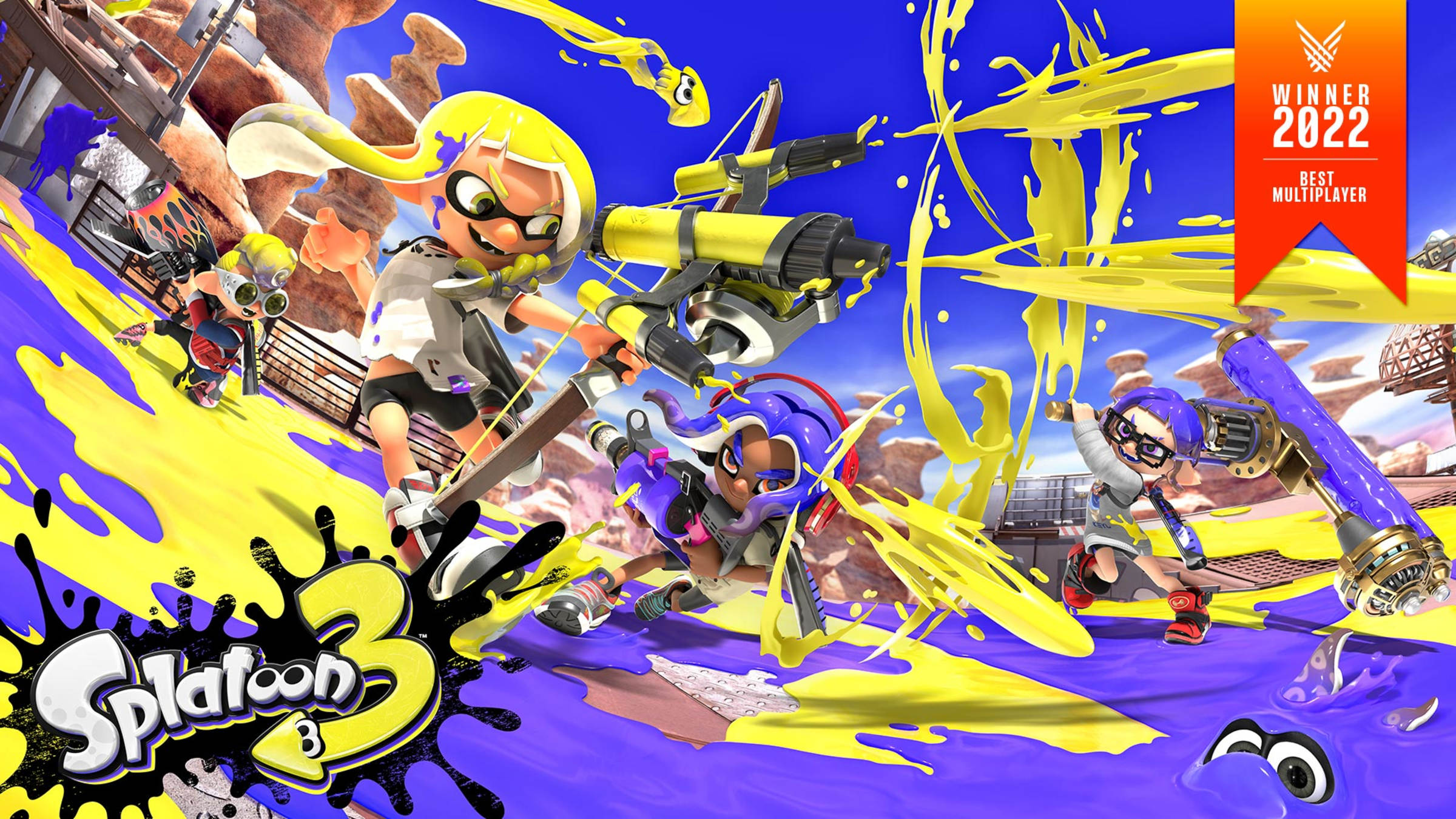
Splatoon 3
Ages 8-12 · paid · Product · splatoon.nintendo.com ↗
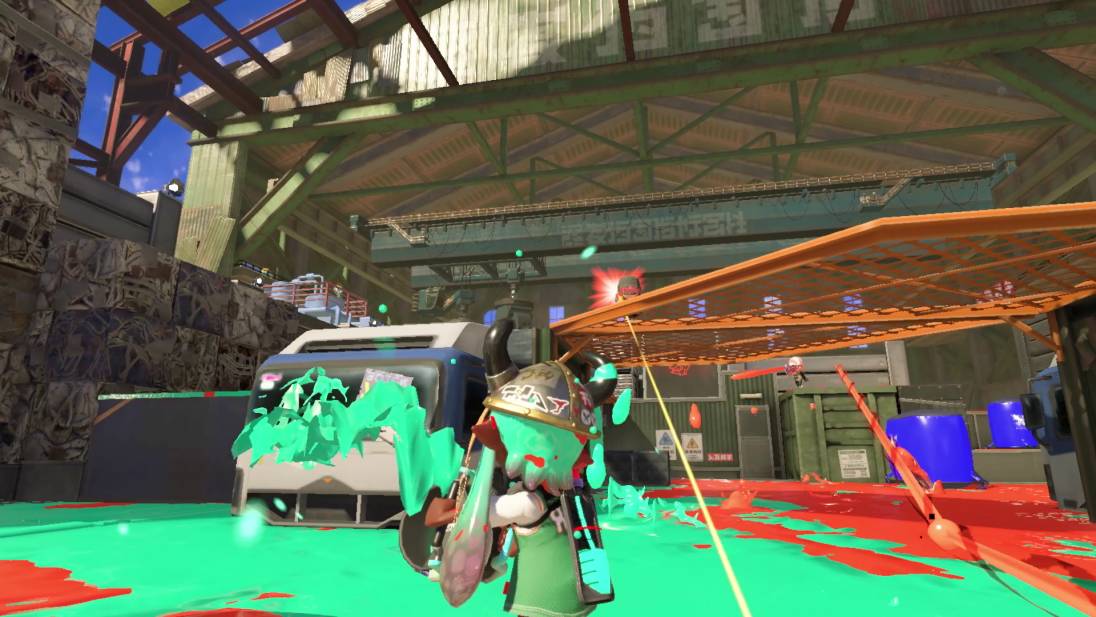
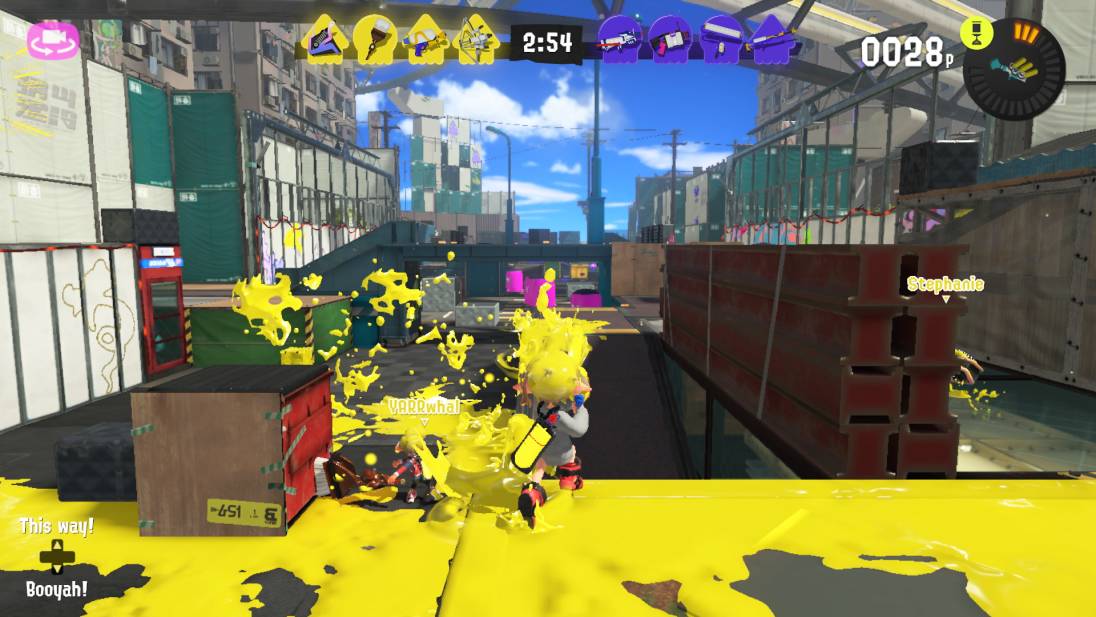
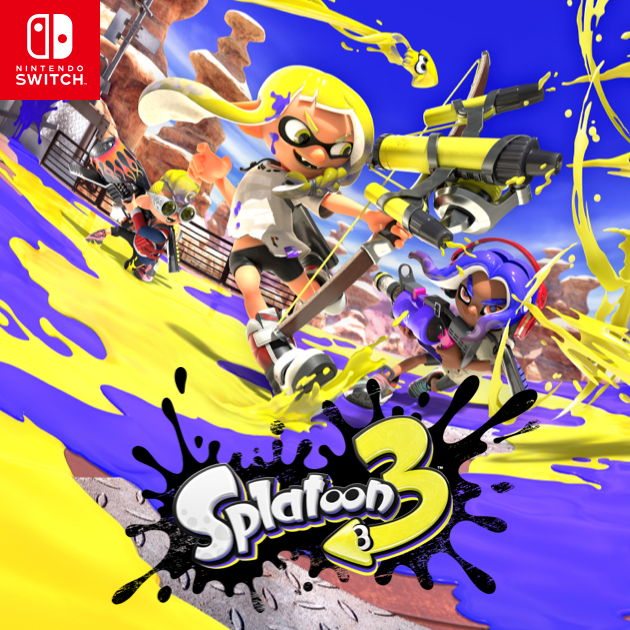
Splatoon 3 is a colorful team shooter where kids cover maps with ink instead of bullets. In Turf War they work in squads of four, in Salmon Run they cooperate against AI waves, and in the solo campaign they learn weapons and mechanics through structured challenges. Across all modes, the game pushes quick teamwork and fast tactical adjustment.
Splatoon 3 has focused developmental strength worth knowing about. It builds adaptability, connection. The main growth opportunity: creativity is present, but mostly tactical. Kids improvise with weapons rather than making something new.
Strengths & gaps
Strengths
- ● Splatoon 3 is strong for Connection. Winning depends on reading teammates, supporting pushes, and sharing objectives.
- ● It is also strong for Adaptability. The state of a match changes quickly, so kids are constantly revising tactics.
Gaps
- ○ Creativity is present, but mostly tactical. Kids improvise with weapons rather than making something new.
- ○ Self-regulation matters in online play, but the game does not teach it directly. It simply demands it.
Detailed scores
How Splatoon 3 performs on each of the 9 literacies in our framework.
Doing
— 1 of 3 Strong
Splatoon 3 gives kids meaningful control over weapon choice, style, and tactical role. But the match itself is tightly structured. The game tells you what winning looks like and does not offer much space for self-set goals inside a round.
Online games naturally ask for repetition. Kids lose, requeue, and try to improve. That matters. But because rounds are short and the game is immediately replayable, the persistence load is moderate rather than especially deep.
Adaptability is the clearest strength here. Weapon matchups, map geometry, team behavior, and shifting ink coverage change what works from moment to moment. Kids who play well are constantly adjusting.
Thinking
— 0 of 3 Strong
Splatoon 3 offers a lot to explore: weapons, modes, gear, and map strategies. But it is not a curiosity-first product. The game rewards experimentation inside competition more than wonder or open-ended inquiry.
There is some real creativity in how players use space, movement, and weapons. Kids discover routes, combos, and support styles. But the creativity stays inside a fixed competitive system.
Good Splatoon play requires quick judgment. Kids need to decide when to push, retreat, paint ground, or protect a teammate. Those are real decisions, even if they happen fast and stay tactical.
Being
— 1 of 3 Strong
Connection is built into the best modes in the game. Turf War and Salmon Run both reward teamwork, and Common Sense explicitly calls out camaraderie and friendly competition. Splatoon 3 makes other people matter.
Any competitive online game asks for emotional control. Splatoon 3 is lighter and less harsh than many shooters, but frustration and overexcitement are still part of the loop. Kids have to manage those states.
The game supports team identity inside matches, but it does not meaningfully connect play to values, contribution, or long-term purpose.
Based on 3 sources
- Review commonsensemedia.org — splatoon
- Product splatoon.nintendo.com
- Product ign.com — splatoon 3 review
Reviewed by New Literacies
Scored by our research-derived framework · AI-assisted analysis with editorial review · 3 sources reviewed · Our methodology →
Personalization bridge
Not sure what your kid needs most?
Take the quiz to see which literacies matter most for your family, then get practical things to try at home.
Get your family profileExplore more
See other products strong in the same literacies: