Second Step
Ages 4-14 · paid · Curriculum · secondstep.org ↗
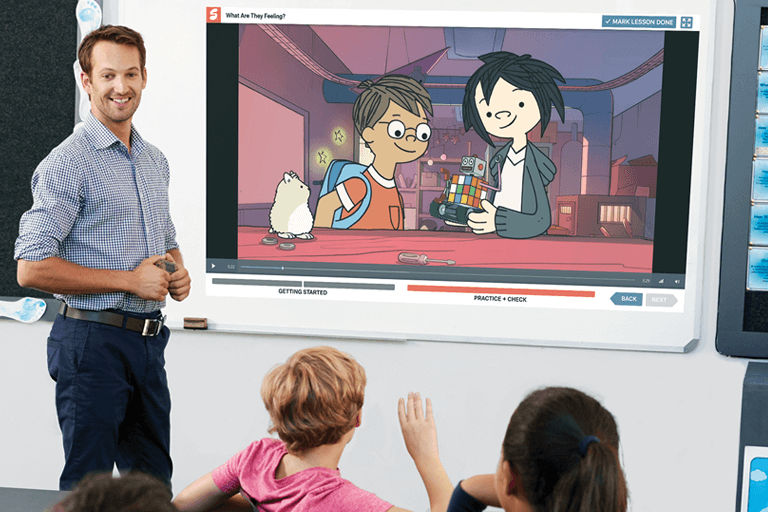
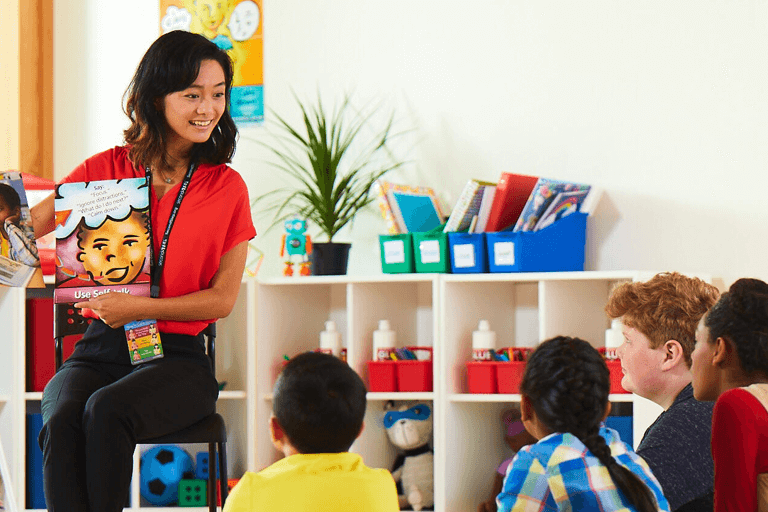
Second Step is a classroom curriculum where kids watch short lesson videos, then practice naming emotions, calming down, and solving social problems through role-play and guided discussion with classmates. A teacher leads 20-25 weekly lessons that follow a fixed sequence — there's no self-directed exploration. It's used primarily in schools (Pre-K through middle school), delivered either through printed classroom kits or a web-based digital platform.
Second Step has focused developmental strength worth knowing about. It builds interpersonal skills. The main growth opportunity: Second Step is teacher-directed by design.
Strengths & gaps
Strengths
- ● Second Step is strongest for Connection and Self-Regulation. It teaches kids to read feelings, listen, repair conflict, and use calming routines they can reuse.
- ● The research base is unusually solid for a school curriculum. Official summaries point to RCTs and quasi-experimental studies with more than 25,000 students.
- ● It is easy for schools to implement at scale. The program offers lesson scripts, handouts, family materials, training, and both digital and kit-based formats.
Gaps
- ○ Second Step is teacher-directed by design. Kids don't set their own goals or choose their own path through the curriculum.
- ○ Curiosity and creativity are not the point. The program teaches social skills through guided lessons and role-play, not open-ended inquiry or original creation.
- ○ The cost and district-level setup can be a barrier. Common Sense calls out funding as a real constraint for some schools.
Detailed scores
How Second Step performs on each of the 9 literacies in our framework.
Doing
— 0 of 3 Strong
Second Step is structured for fidelity, not self-direction. The teacher runs the lesson, shows the media, and guides the discussion while kids respond inside the plan. That means the child participates, but doesn't initiate the work.
The curriculum teaches goal-setting, self-management, and self-talk. Kids learn how persistence works in practice, but the lessons are built to be accessible rather than hard. That makes this a teaching tool for persistence, not a stress test of it.
Second Step teaches a repeatable problem-solving routine. Kids learn to calm down, think through options, and choose a response in social conflict. The structure helps flexibility, but the same scaffold appears throughout the program.
Thinking
— 0 of 3 Strong
Second Step closes questions more than it opens them. The curriculum tells kids what emotions are and what to do about them. It doesn't create rabbit holes or self-directed inquiry.
Role-play is the closest the curriculum gets to creative work. Even there, the scenarios and desired outcomes are teacher-guided, so kids practice scripts rather than make original work.
Kids do evaluate options and think through consequences in the problem-solving units. The judgment is real, but the lesson design points them toward a prosocial answer. That keeps the reasoning useful without making it broad or ambiguous enough for Strong.
Being
— 2 of 3 Strong
Second Step is built for social practice. Kids read faces, take others' perspectives, listen actively, and work through conflict with real classmates. The research summaries line up with that design and show gains in prosocial behavior and school climate.
This is the program's clearest win. Kids learn to name feelings, use calming routines, and manage frustration and disappointment across repeated lessons. The curriculum gives them specific tools, not just general advice.
Second Step consistently points kids toward caring for others and contributing to a safe classroom. That gives the work meaning beyond the self. But it doesn't push hard into identity or personal direction, so the signal stays moderate.
Based on 8 sources
- Review commonsense.org — second step
- Product secondstep.org — research
- Product secondstep.org — elementary school curriculum
- Product store.secondstep.org — second step digital k 12 programs
- Product store.secondstep.org — second step kindergarten grade 5 bundle
- Product pg.casel.org — second step%E2%93%A1 elementary
- Product evidenceforessa.org — second step social emotional learning
- Product secondstep.org — families
Reviewed by New Literacies
Scored by our research-derived framework · AI-assisted analysis with editorial review · 8 sources reviewed · Our methodology →
Get the next guide before it goes live
One email when a new product review ships.
Free. No spam. Unsubscribe anytime.
See other products strong in the same literacies: