Scratch
Ages 8-16 · free · Curriculum · scratch.mit.edu ↗
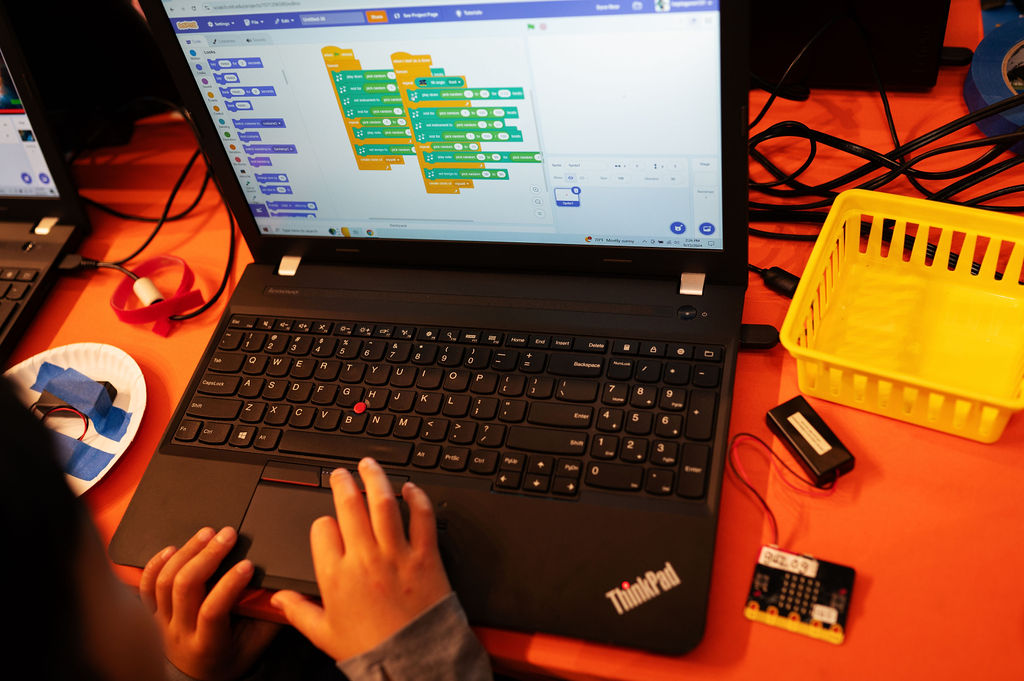
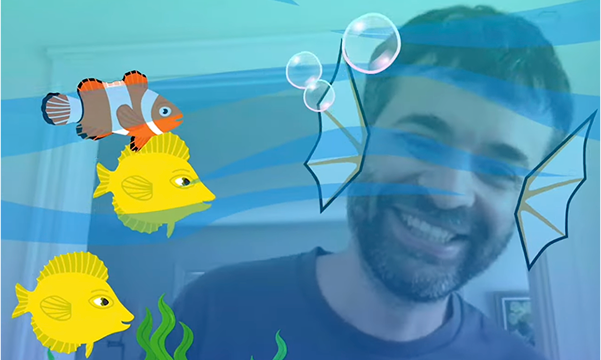
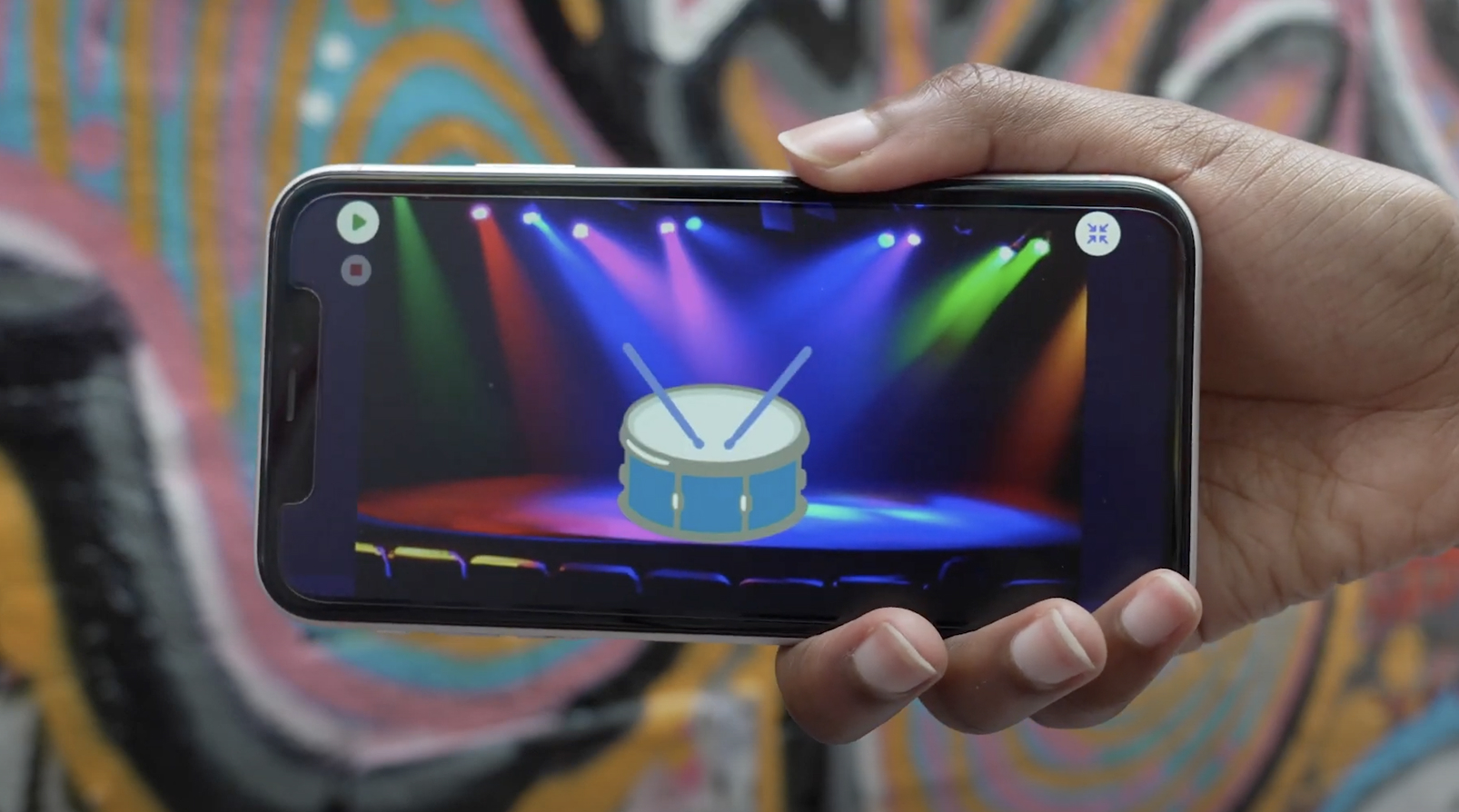
Scratch is a free block-based coding platform where kids drag and snap visual code blocks to create their own games, animations, and interactive stories. There's no blank terminal — kids stack colorful blocks that control sprites, sounds, and motion, then hit the green flag to watch it run. Projects can be shared on Scratch's online community, where other kids can play them, comment, and remix them into new creations.
Scratch stands out for developmental impact across multiple literacies. It builds action and persistence, cognitive skills. The main growth opportunity: scratch does not build deep Judgment. Kids make technical decisions, but they are not asked to weigh evidence or ethics.
Strengths & gaps
Strengths
- ● Scratch is one of the cleanest Agency builders in kids’ tech. Kids choose what to make, how to make it, and when to call it done.
- ● Creativity and Persistence reinforce each other. Projects break, kids debug, and the next version gets better.
- ● The public community adds a real social layer. Kids can share work, remix other projects, and learn from what other children built.
Gaps
- ○ Scratch does not build deep Judgment. Kids make technical decisions, but they are not asked to weigh evidence or ethics.
- ○ Connection stays partly asynchronous. The community is real, but it does not require live negotiation or conflict repair.
- ○ Self-regulation is mostly practice by accident. Scratch creates frustration, but it does not teach coping.
Detailed scores
How Scratch performs on each of the 9 literacies in our framework.
Doing
— 3 of 3 Strong
Scratch puts the child in charge from the first click. There are no levels to clear and no prescribed project path to follow. A child decides what exists, how it works, and what finished looks like. That makes the agency signal unusually clean. The project belongs to the child because the child authored the rules.
Scratch is built around debugging. When code breaks, the child has to find the bug, test a change, and try again. The official Scratch learning materials treat that loop as part of the design, not an extra. That is the kind of struggle that grows persistence. The platform keeps the child in the problem instead of solving it for them.
Scratch asks children to shift strategies across project types. A game, an animation, and an interactive story do not use the same logic, even when they share the same blocks. Research on Scratch-based generalization also shows children can transfer and verify ideas in new problem contexts. That is more than repetition. The child has to adapt the same underlying skills to different demands.
Thinking
— 2 of 3 Strong
Scratch invites questions. A child sees a project in the public gallery and starts tracing how it works. Remixing turns curiosity into action because the child can inspect, borrow, and modify. The platform keeps that rabbit hole open. It does not close the loop too quickly.
Scratch is a blank canvas with a useful shape. Kids make stories, games, music, and animations from scratch, then keep revising them until they feel right. The block interface lowers the friction without taking away authorship. That combination is the point. Scratch makes original creation feel possible early and deepens it over time.
Scratch asks kids to judge whether code works and whether a design choice makes sense. That is real technical judgment, and the debugging loop reinforces it. The 2025 generalization study also shows children explaining why they accepted or rejected solutions. Still, this stays narrow. Scratch does not force children to compare sources, weigh ethical tradeoffs, or decide between competing viewpoints.
Being
— 0 of 3 Strong
Scratch does more social work than most coding tools. Kids share projects, leave comments, remix one another’s work, and move inside a large moderated community. The social layer is real, and the community scale is huge. But the interaction is mostly asynchronous. Scratch supports connection, but it does not demand deep interpersonal work.
Scratch creates frustration in a useful way. Debugging takes patience, and big projects require children to delay gratification while they iterate. The reflection tools push kids to pause and look back at what they made. The missing piece is direct scaffolding. Scratch gives the practice, but not the coping lesson.
Scratch helps some kids find their voice. The official messaging around sharing, self-expression, and passion is not empty language here; children can publish something that feels like theirs. Sharing work with a peer community gives the effort some meaning. But purpose stays indirect. Scratch does not explicitly connect making to values, service, or contribution beyond the project itself.
Based on 14 sources
- Research scratch.mit.edu — parents
- Research scratch.mit.edu — community_guidelines
- Research media.mit.edu — remixing as a pathway to computational thinking
- Product link.springer.com — s10763 025 10556
- Review commonsensemedia.org — scratch
- Review commonsensemedia.org — adult
- Product scratchfoundation.org
- Product scratchfoundation.org — for families
- Product stories.scratchfoundation.org
- Product scratchfoundation.org — tools
- Product scratchfoundation.org — scratch creative learning philosophy
- Product scratchfoundation.org — debugging
- Product scratchfoundation.org — reflection sharing sheets
- Product sciencedirect.com — S
Reviewed by New Literacies
Scored by our research-derived framework · AI-assisted analysis with editorial review · 14 sources reviewed · Our methodology →
Get the next guide before it goes live
One email when a new product review ships.
Free. No spam. Unsubscribe anytime.
See other products strong in the same literacies: