
Science Olympiad
Ages 10-18 · varies · Curriculum · scioly.org ↗
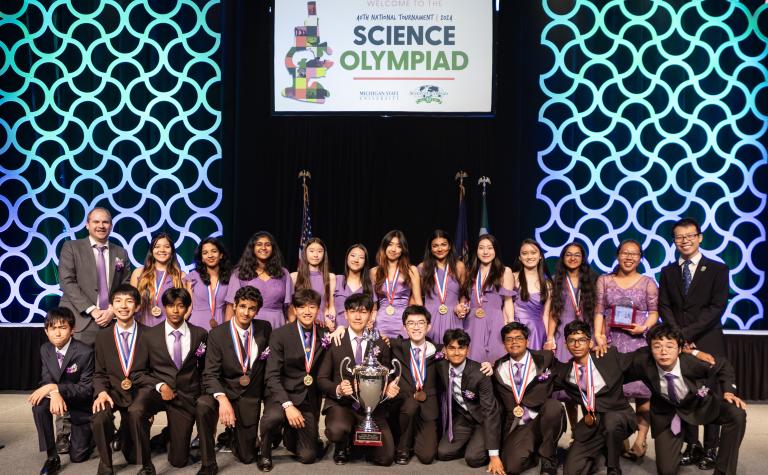
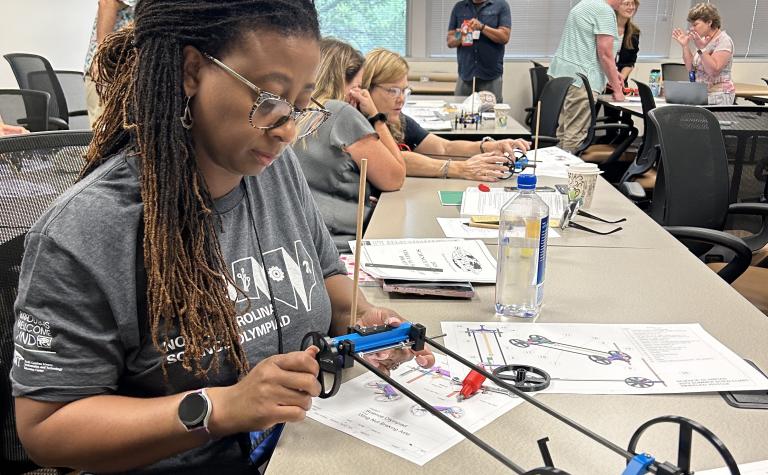

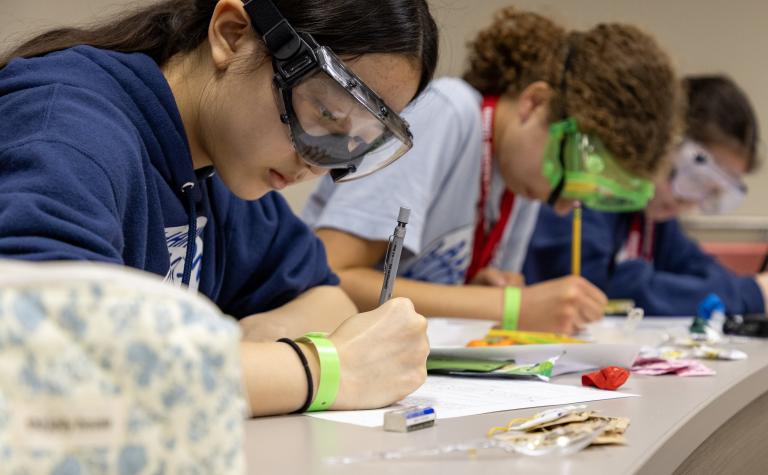
Science Olympiad is a school-team STEM competition where kids prepare across a menu of science and engineering events, then compete at tournaments. Some events are study-heavy, some are lab-style, and some require building and testing physical devices. The experience usually stretches over weeks or months, with students specializing, cross-training, and iterating before tournament day.
Science Olympiad stands out for developmental impact across multiple literacies. It builds persistence, cognitive skills, connection. The main growth opportunity: Agency is meaningful but bounded.
Full review
The NL Score measures developmental capacity-building, not product quality.
Strengths & gaps
Strengths
- ● Science Olympiad is strongest for Persistence. Kids prepare for months, test designs, fail, and come back to try again because performance depends on the work.
- ● Curiosity is also a real strength. The event spread invites children into many corners of STEM instead of one narrow track.
- ● Judgment and Connection matter every season. Teams have to divide labor well, make design choices, and depend on one another.
Gaps
- ○ Agency is meaningful but bounded. Students choose inside the event system rather than setting the overall goals themselves.
- ○ Creativity is real in build events, but much of the work is optimization under strict rules.
- ○ Purpose is less visible. The programme is about competition, mastery, and science enthusiasm more than service or contribution.
Detailed scores
How Science Olympiad performs on each of the 9 literacies in our framework.
Doing
— 1 of 3 Strong
Science Olympiad gives students real room to specialize and make decisions about preparation. That matters. But the larger frame is fixed by event rules, tournament structures, and scoring systems, so agency stays bounded rather than dominant.
This is one of Science Olympiad's clearest strengths. Builds fail. Study plans break. Tournament day exposes weak preparation fast. The months-long cycle forces children to keep working when an easy shortcut would be more comfortable.
Students do have to adjust. Different event types reward different approaches, and live competition always introduces friction. But most of the adaptation happens inside known rules rather than inside open-ended, self-directed exploration.
Thinking
— 2 of 3 Strong
Science Olympiad makes it easy for a child to get pulled into science. Events stretch across many domains, and the official materials lean hard on "learning science by doing science." That broad invitation to investigate is a genuine strength.
The build side of Science Olympiad creates real invention and iteration. Students test new designs and learn from what breaks. But the creativity usually serves optimization inside a tight rule set, so it does not fully reach the open-creation bar for Strong.
Judgment is active everywhere here. Students decide how to study, what to build, what to change, and how to balance competing design goals. Those are real tradeoffs with visible consequences.
Being
— 1 of 3 Strong
Science Olympiad works because teams are interdependent. Students divide events, help each other prepare, and show up at tournament as one unit. The social demand is not optional.
Competition creates stress, and students have to manage it. They need to recover from setbacks, focus under time pressure, and keep perspective when something breaks. But the programme does not directly teach the regulation skills that support those moments.
Science Olympiad can absolutely strengthen science identity. What it does not consistently do is connect that effort to service, values, or contribution beyond the competition frame. That makes Purpose outside the reliable core design.
Based on 6 sources
- Product wired.com — the olympics of science sort of
- Product competitionsciences.org — science olympiad
- Product soinc.org
- Product soinc.org — parents
- Product soinc.org — elementary
- Product soinc.org — events
Reviewed by New Literacies
Scored by our research-derived framework · AI-assisted analysis with editorial review · 6 sources reviewed · Our methodology →
Get the next guide before it goes live
One email when a new product review ships.
Free. No spam. Unsubscribe anytime.
See other products strong in the same literacies: