
Sago Mini School
Ages 2-5 · paid · Product · sagomini.com ↗
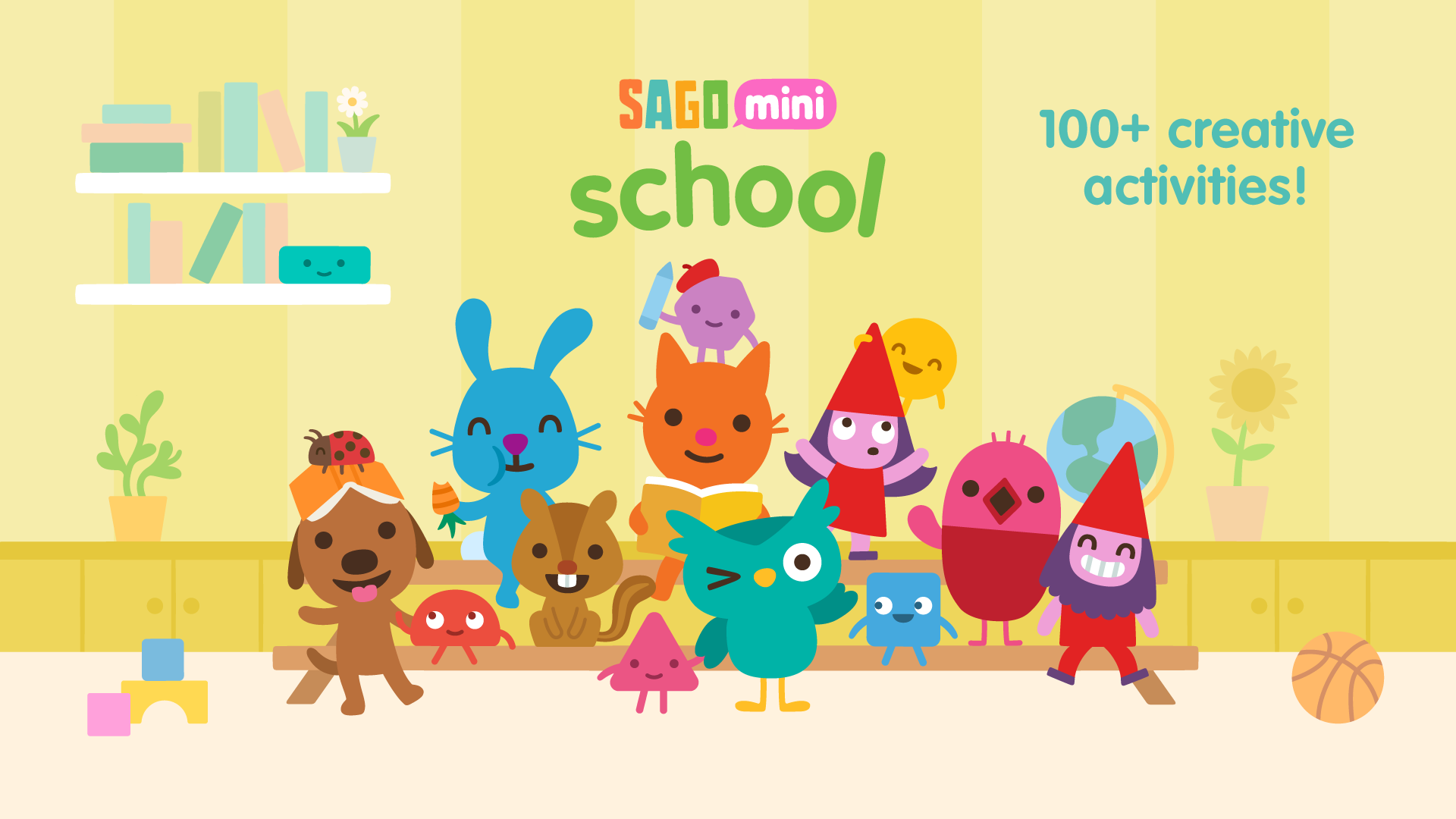


Sago Mini School is a preschool subscription app built around short games and guided activities. Kids tap through early literacy, numeracy, puzzles, doodling, and simple science topics with Sago Mini's familiar characters. It works like a playful activity library more than a deep curriculum.
We've reviewed Sago Mini School against our 9-literacy developmental framework. The main growth opportunity: Sago Mini School doesn't ask much sustained effort.
Strengths & gaps
Strengths
- ● Sago Mini School is strongest as an age-appropriate exploration app. The broad mix of preschool topics can spark curiosity and keep very young children moving between different kinds of learning play.
- ● The app also gives preschoolers some real choice. Picking an activity and completing short guided tasks is a modest but real form of agency at ages 2-5.
Gaps
- ○ Sago Mini School doesn't ask much sustained effort. Most activities are quick, supportive, and hard to truly get stuck in.
- ○ The experience is mostly solo. If connection happens, it's because a parent joins in, not because the product builds it.
Detailed scores
How Sago Mini School performs on each of the 9 literacies in our framework.
Doing
— 0 of 3 Strong
Sago Mini School gives young children choices about what to open and where to spend time. That's meaningful at this age. But each activity is still heavily scripted, so the child chooses between paths more than setting their own goals.
Sago Mini School asks kids to finish puzzles, retry, and stay with a task for a few minutes. That's useful early practice. But the app keeps difficulty gentle, so it doesn't create much productive struggle.
Sago Mini School covers a lot of topics, but the thinking pattern inside each activity is simple and guided. Kids are usually following the app's frame rather than discovering that one strategy failed and another is needed. That keeps Adaptability shallow.
Thinking
— 0 of 3 Strong
Sago Mini School is built to feel inviting and exploratory for preschoolers. The mix of science, literacy, and problem-solving creates lots of small "let me see that" moments. But those moments rarely turn into deeper inquiry beyond the next tap.
Sago Mini School includes doodling and creative prompts, which matters for this age band. It gives children some room to make choices and express themselves. But creation isn't the center of the product, and most play follows prepared templates.
Sago Mini School targets ages 2-5. Under the rubric's age rules, Judgment isn't assessed yet.
Being
— 0 of 3 Strong
Sago Mini School is mostly a solo app. Parents can monitor progress, but that's not the same as collaboration or relationship-building inside the experience. Connection sits outside the product's core design.
Sago Mini School supports early self-regulation through pacing, repetition, and low-stakes challenge. Kids need to wait, retry, and manage small frustrations. It doesn't teach coping strategies directly, but it does give preschoolers a gentle place to practice.
Sago Mini School targets ages 2-5. Under the rubric's age rules, Purpose isn't assessed yet.
Based on 4 sources
- Product store.sagomini.com — school
- Product apps.apple.com —
- Product apps.apple.com —
- Product play.google.com — search
Reviewed by New Literacies
Scored by our research-derived framework · AI-assisted analysis with editorial review · 4 sources reviewed · Our methodology →
Get the next guide before it goes live
One email when a new product review ships.
Free. No spam. Unsubscribe anytime.