
Roblox
Ages 7-12 · freemium · Product · roblox.com ↗
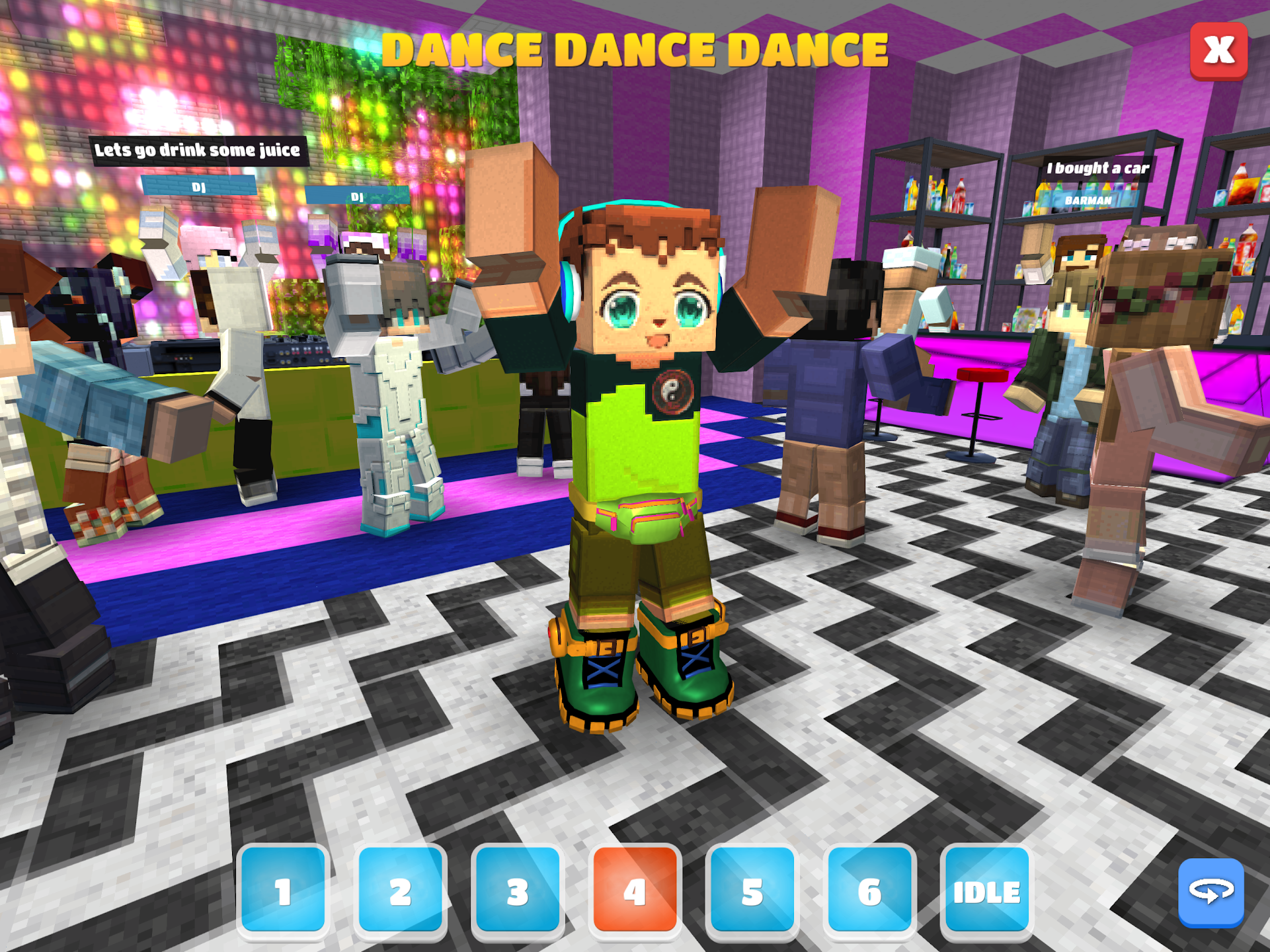
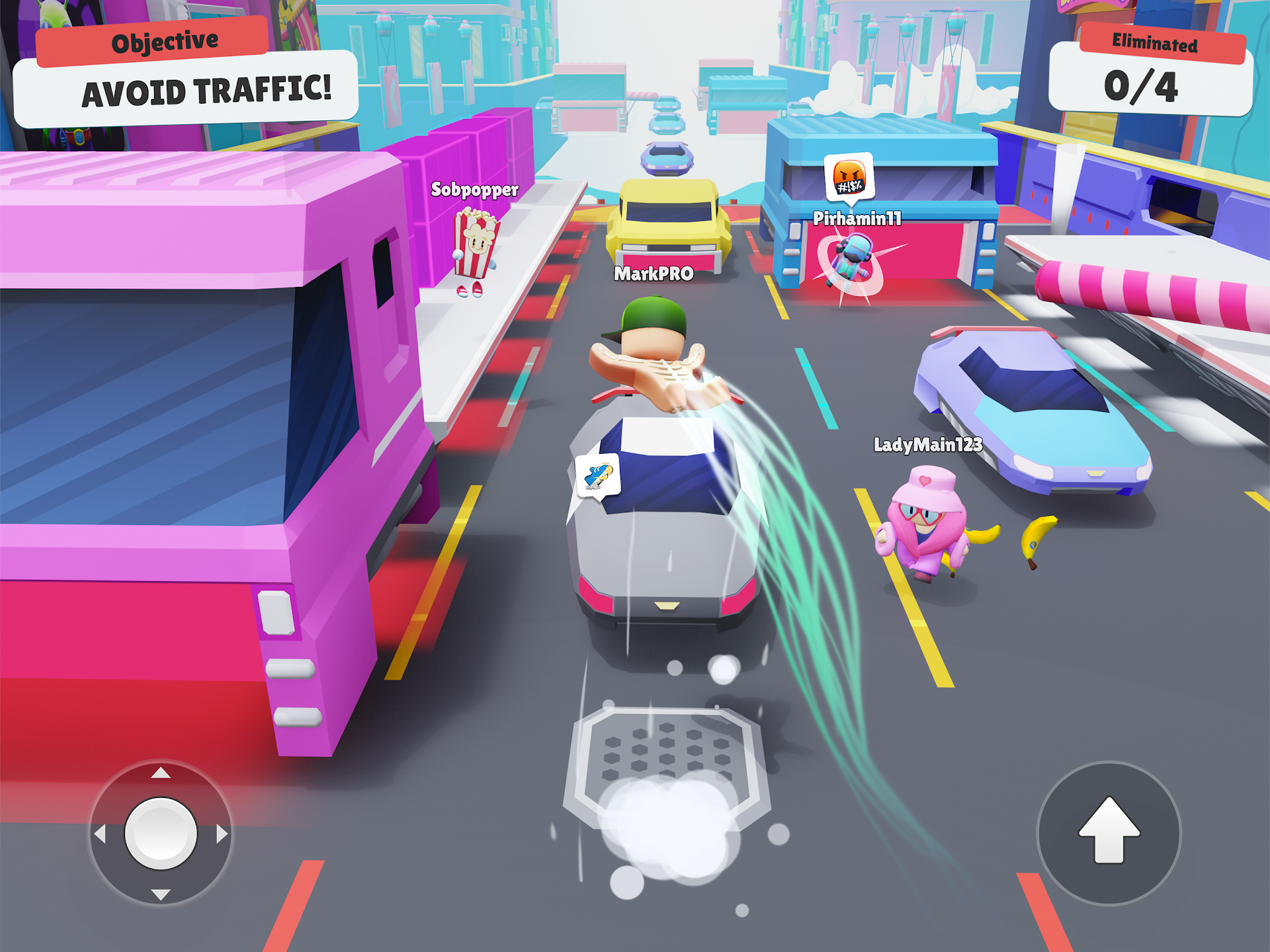
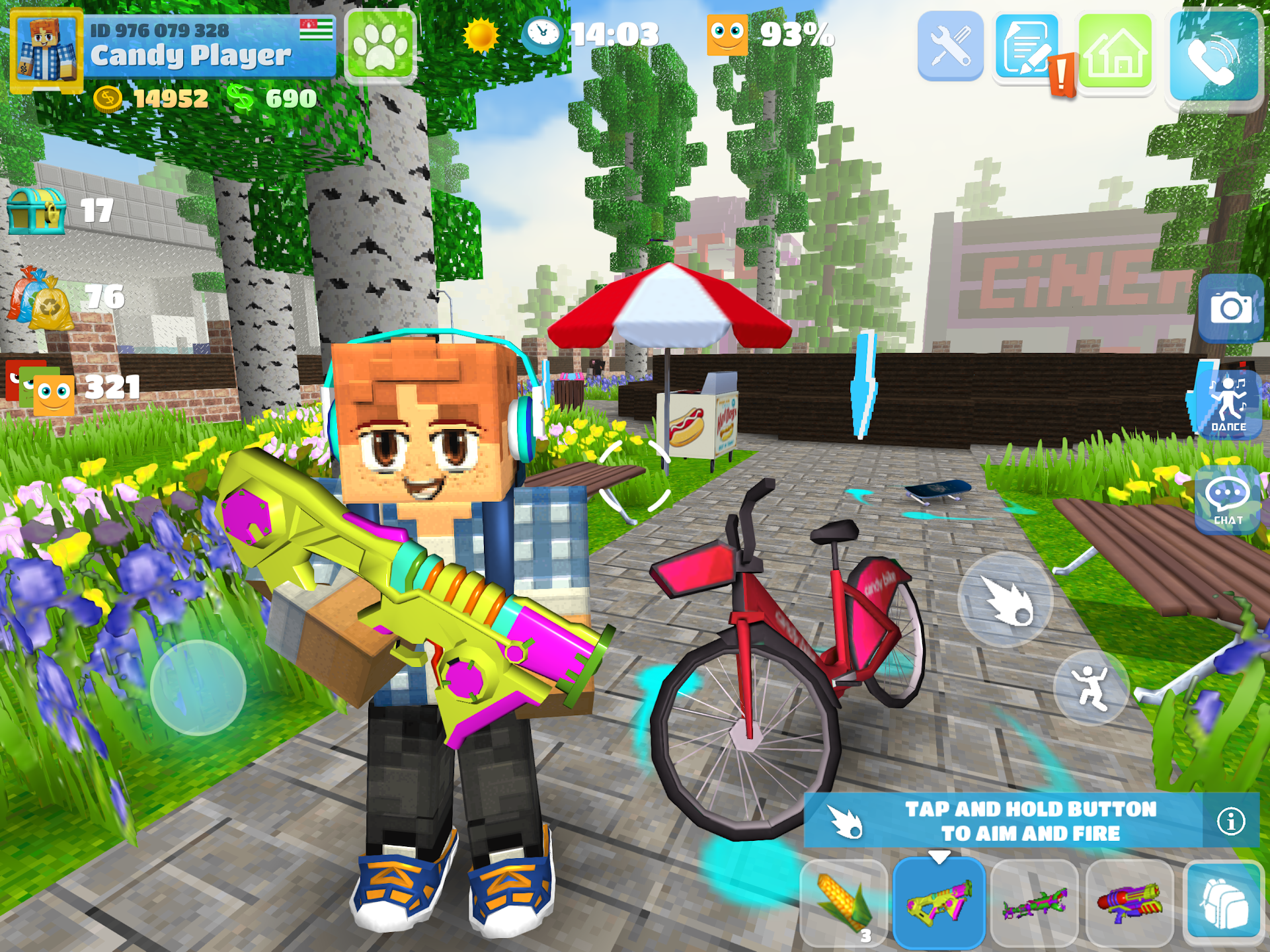
Roblox is a giant platform of player-made games and social spaces. Kids can jump between public experiences in a few seconds, or open Roblox Studio and start building their own worlds, objects, and scripts. The developmental story depends heavily on which side of Roblox they spend time on.
Roblox stands out for developmental impact across multiple literacies. It builds hands-on skills, creativity. The main growth opportunity: Self-regulation is the clearest weakness.
Strengths & gaps
Strengths
- ● Roblox is unusually strong for Agency and Creativity when kids use Studio. They are not just selecting options. They can build a world, change it, test it, and publish it for other people.
- ● Roblox also develops Adaptability. Kids move between very different systems, genres, and social spaces all the time, which forces fast reorientation.
Gaps
- ○ Self-regulation is the clearest weakness. The platform is built around endless novelty, social pull, and easy re-entry, which makes stopping hard.
- ○ Judgment and Connection depend too much on the specific server, genre, and supervision level. Roblox can create good collaboration, but it can also create noise and risky contact.
Detailed scores
How Roblox performs on each of the 9 literacies in our framework.
Doing
— 2 of 3 Strong
Roblox gives kids real control over what they do next. They can choose an experience, set their own goals inside it, or leave and make something of their own in Studio. That combination of self-direction and publishable output is rare.
Roblox can build persistence when a child is debugging, building, or learning a tough game system. But the platform makes escape easy. If one task gets frustrating, there is always another world one tap away.
Roblox constantly changes the rules on a child. New genres, new control schemes, new economies, new social norms, new design problems. That demands fast adjustment in a way single-game products usually do not.
Thinking
— 1 of 3 Strong
Roblox definitely sparks exploration. Kids click, search, try, and compare. But the platform mostly rewards lateral wandering across many worlds rather than deep investigation inside one.
Roblox Studio is the key strength. Kids can build spaces, place objects, script mechanics, test outcomes, and revise what they made. That is genuine authorship, not just decoration.
Kids practice judgment on Roblox because they must decide what is worth playing, who to trust, and which design choices work. But Roblox does not scaffold those decisions very well. Children are making them in a crowded environment with uneven moderation.
Being
— 0 of 3 Strong
Roblox can support real connection through shared play and co-creation. But it is inconsistent. Some experiences create teamwork, while others create shallow social contact or risky exposure.
Roblox makes self-regulation hard. Parents.com explicitly warns about overuse, and reporting on external safety research underscores how much supervision still matters. The platform offers very few natural stopping points.
Some kids find purpose through creating games or joining maker communities. But that is not the default experience for most children on Roblox. Purpose is too variable to score confidently here.
Based on 6 sources
- Product roblox.com
- Product about.roblox.com — enabling creation anything anywhere anyone
- Product create.roblox.com — publish experiences and places
- Product en.help.roblox.com — 115004734603 Experiences on Roblox
- Product parents.com — is roblox safe for kids
- Product theguardian.com — risks children playing roblox deeply disturbing researchers
Reviewed by New Literacies
Scored by our research-derived framework · AI-assisted analysis with editorial review · 6 sources reviewed · Our methodology →
Get the next guide before it goes live
One email when a new product review ships.
Free. No spam. Unsubscribe anytime.
See other products strong in the same literacies: