
Responsive Classroom
Ages 5-14 · paid · Curriculum · responsiveclassroom.org ↗
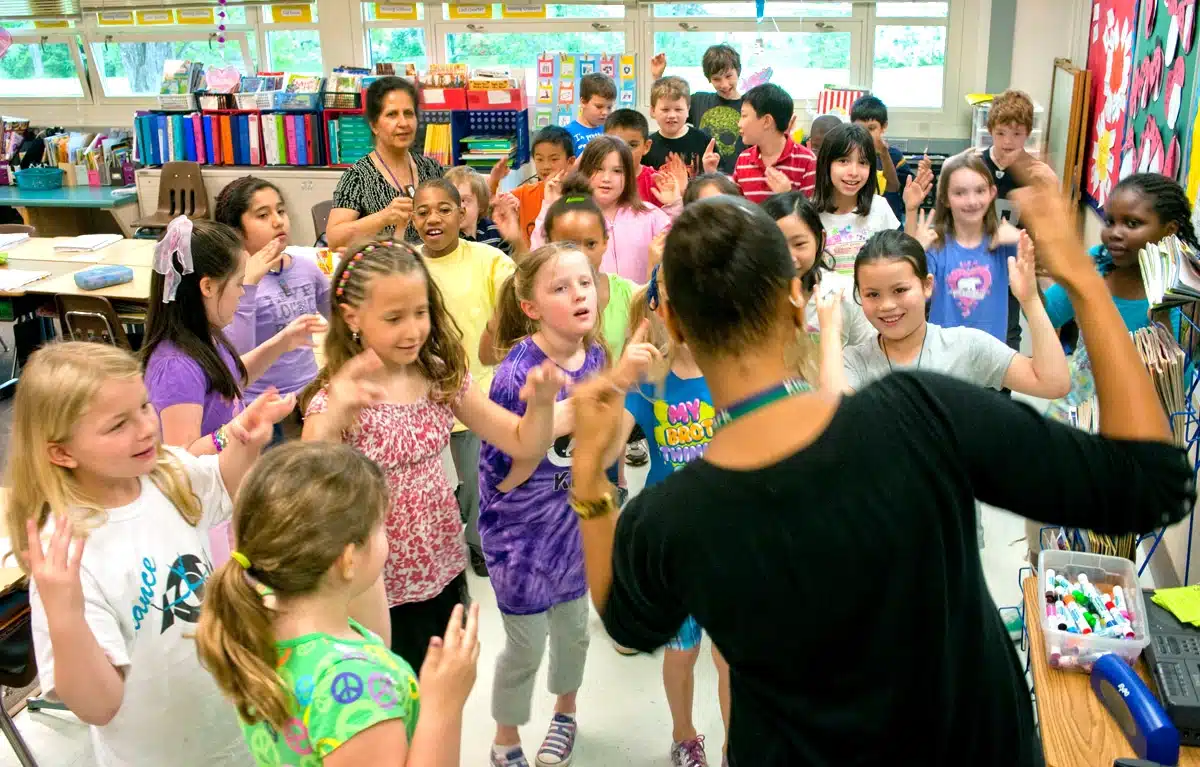
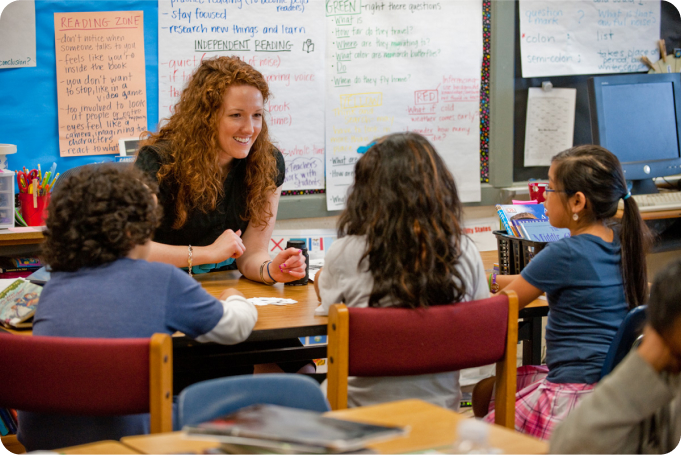
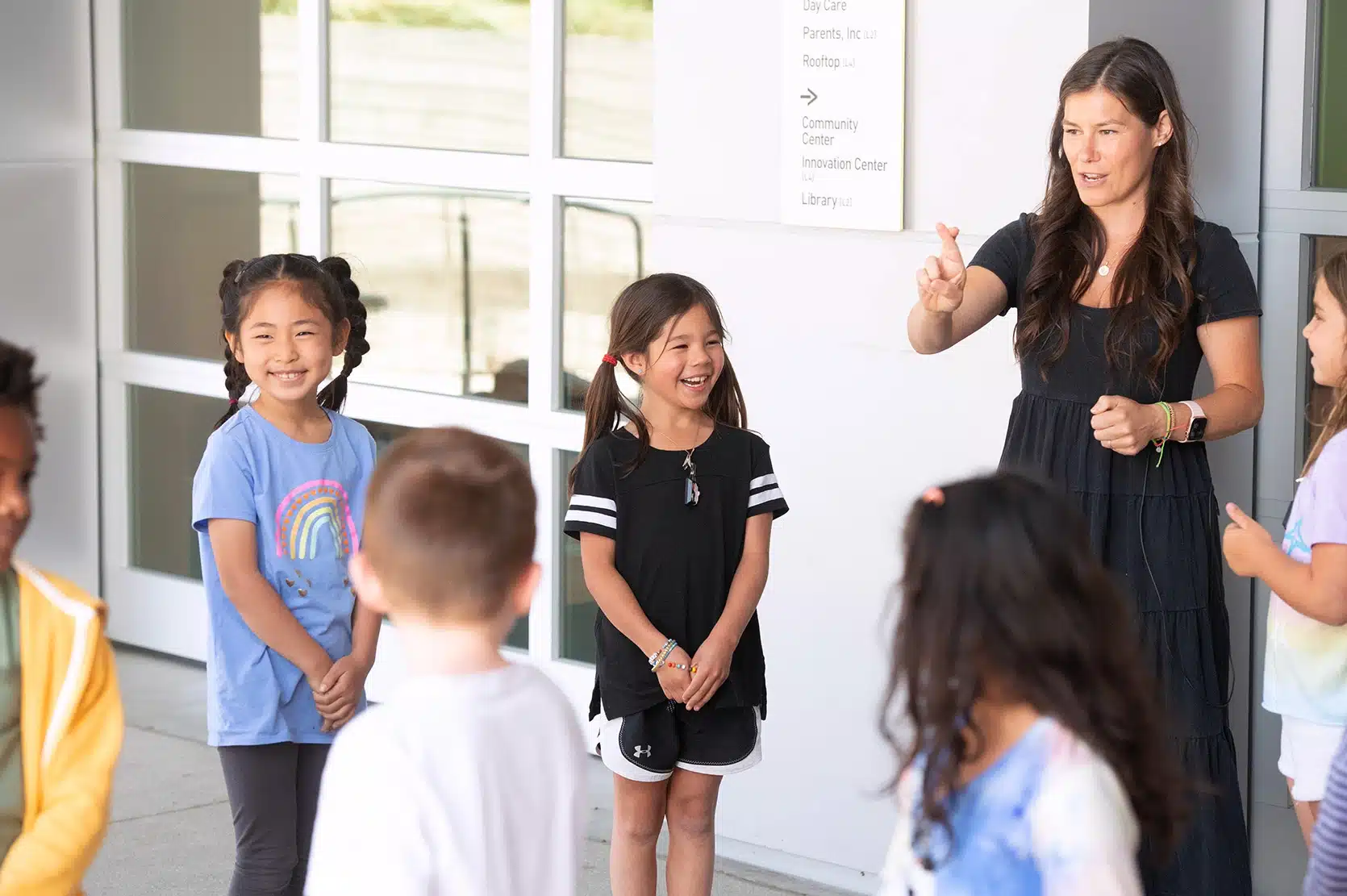
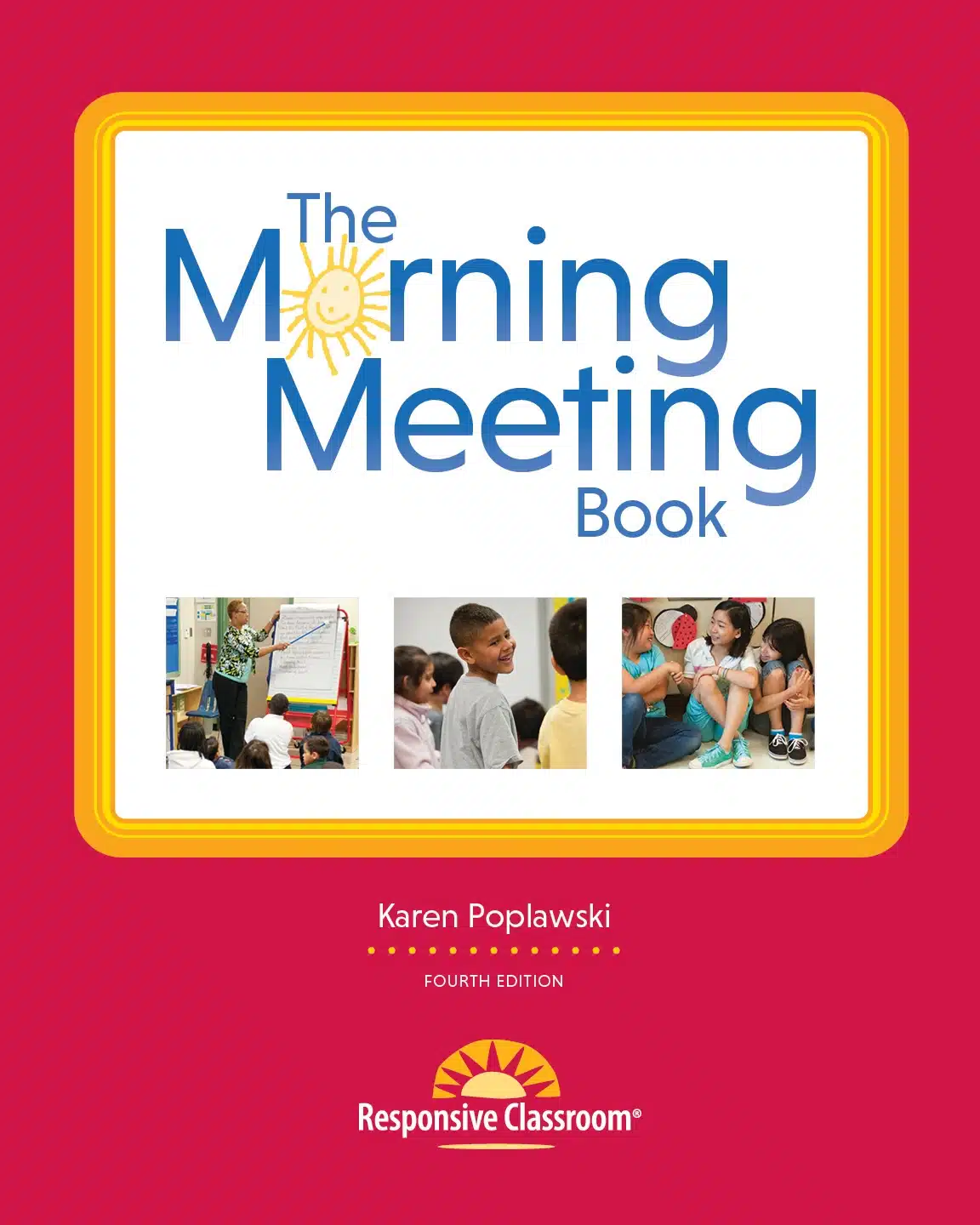
Responsive Classroom isn't a product kids use at home — it's a set of classroom practices that teachers learn through professional development and then run every day in school. The core routines include Morning Meeting (kids sit in a circle, greet each other by name, share news, and do a group activity), Academic Choice (students pick how to show their learning), and collaborative rule-making where kids create classroom rules from their own "hopes and dreams." It's used primarily in K-6 classrooms.
Responsive Classroom stands out for developmental impact across multiple literacies. It builds agency, interpersonal skills. The main growth opportunity: Responsive Classroom is an approach, not a standalone product.
Strengths & gaps
Strengths
- ● Responsive Classroom is unusually strong on Agency for an SEL approach. Kids help create classroom rules from their own hopes and dreams, and Academic Choice gives them real say in how they meet a learning goal.
- ● Connection is built into the day, not added as a lesson. Morning Meeting turns greeting, sharing, listening, and group activity into a daily habit.
- ● Self-Regulation is woven through the whole school day. Positive teacher language and logical consequences help children practice calm recovery and impulse control in the moment.
Gaps
- ○ Responsive Classroom is an approach, not a standalone product. Its impact depends on teacher training and implementation fidelity.
- ○ It stays classroom-bound. The strongest routines are about school life, not open-ended inquiry, creation, or real-world purpose.
- ○ Curiosity and creativity are present, but they stay inside teacher-defined boundaries.
Detailed scores
How Responsive Classroom performs on each of the 9 literacies in our framework.
Doing
— 1 of 3 Strong
Responsive Classroom gives children a real hand in the classroom. They help create the rules from their hopes and dreams, and Academic Choice lets them choose how to show understanding. The teacher still sets the goal, but the child is not just following instructions.
Academic Choice asks children to plan, work, and reflect on a self-chosen task. That creates sustained effort. But Responsive Classroom does not tune difficulty the way adaptive software or a hard game does, so persistence is practiced without much designed struggle.
Collaborative problem-solving asks children to revise plans when a social conflict or classroom issue does not resolve cleanly. That is real strategy-switching. But the routine stays consistent, so the child is adapting within a known structure rather than across new domains.
Thinking
— 0 of 3 Strong
Morning Meeting and Guided Discovery create moments of wonder. Children ask questions, listen to classmates, and figure out what they can do with a new material or prompt. But the product does not chase open-ended inquiry beyond the lesson.
Academic Choice allows different products for the same learning goal. One child might draw, another might write, and another might build. That supports expression, but the teacher still defines the destination.
Rule creation asks children to decide what is fair and what will actually help the class work well together. Logical consequences add more consequence-based thinking. The scaffold is strong, though, so this is practice in judgment rather than independent judgment.
Being
— 2 of 3 Strong
Morning Meeting is the clearest strength. Kids greet one another by name, share personal news, ask questions, and participate together every day. That repeated face-to-face practice builds belonging and perspective-taking.
Responsive Classroom teaches regulation through the routine of the day. Positive teacher language names feelings and redirects behavior calmly, and logical consequences tie actions to outcomes without relying on punishment. Children practice control in context, over and over.
The hopes-and-dreams process asks children to connect schoolwork to personal meaning. That gives effort direction. But the approach stops short of deeper identity, values, or contribution work.
Based on 14 sources
- Research education.virginia.edu — responsive classroom efficacy study
- Product pubmed.ncbi.nlm.nih.gov —
- Product responsiveclassroom.org — research
- Product responsiveclassroom.org — morning meeting
- Product responsiveclassroom.org — academic choice
- Product responsiveclassroom.org — schoolwide rules creation
- Product responsiveclassroom.org — our approach
- Product responsiveclassroom.org — guided discovery
- Product responsiveclassroom.org — positive language
- Product responsiveclassroom.org — logical consequences
- Product responsiveclassroom.org
- Product responsiveclassroom.org — ps
- Product pg.casel.org — responsive classroom
- Product eric.ed.gov
Reviewed by New Literacies
Scored by our research-derived framework · AI-assisted analysis with editorial review · 14 sources reviewed · Our methodology →
Get the next guide before it goes live
One email when a new product review ships.
Free. No spam. Unsubscribe anytime.
See other products strong in the same literacies: