
Quizlet
Ages 10-14 · freemium · AI Product · quizlet.com ↗
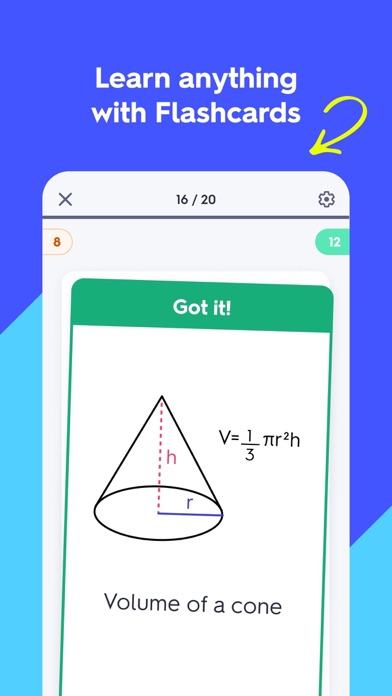
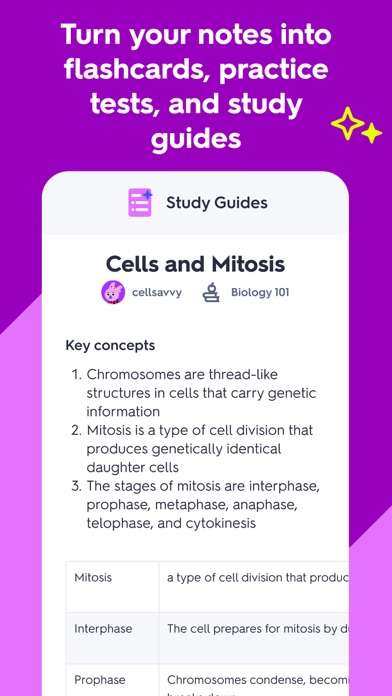
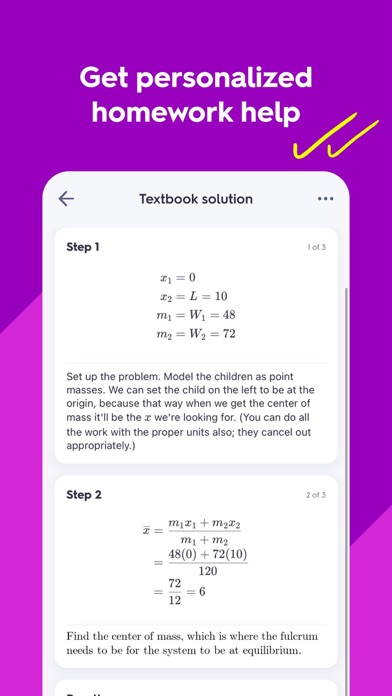
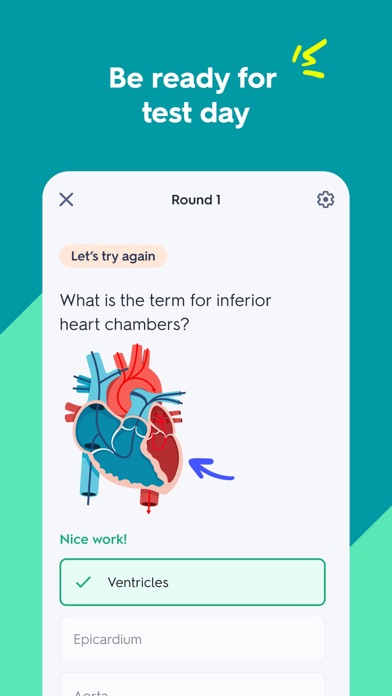
Quizlet is a study app where kids turn notes into flashcards, practice tests, and study guides, or use sets made by other students and teachers. They study through flashcards, Learn, Match, Test, and classroom review games like Quizlet Live. The AI features help with deck creation and homework support, but the core experience is still recall and repetition.
We've reviewed Quizlet against our 9-literacy developmental framework. The main growth opportunity: quizlet is mostly about memorizing and checking recall. That keeps curiosity, creativity, and purpose thin.
Strengths & gaps
Strengths
- ● Quizlet is a strong routine builder. Kids can keep cycling through flashcards, practice questions, and tests until they know the material.
- ● It gives kids some control over study materials. They can make their own sets, remix shared ones, and choose the mode that fits the task.
- ● Quizlet Live makes it easy to use the app in class. The same set can become a short group review session.
Gaps
- ○ Quizlet is mostly about memorizing and checking recall. That keeps curiosity, creativity, and purpose thin.
- ○ The AI helpers and ready-made sets can make the child more of a responder than a creator.
- ○ Younger users lose several creation and sharing features until a parent confirms the account.
Detailed scores
How Quizlet performs on each of the 9 literacies in our framework.
Doing
— 0 of 3 Strong
Quizlet gives kids some real control. They can create decks, import notes, and pick the study mode they want to use. But the target is usually a class list or exam, so the goal still comes from outside the child.
Quizlet keeps bringing missed items back through Learn and practice tests. That gives kids repetition and a reason to keep going. The challenge is mostly short recall work, though, not the deeper productive struggle that earns Strong.
Quizlet adjusts the order and format of practice based on what the child knows. Kids have to shift as the app moves them from easier to harder items. That flexibility stays inside memorization, so it does not reach beyond the study task.
Thinking
— 0 of 3 Strong
The huge library of user-made decks can pull kids into a topic quickly. They can browse, compare, and remix other people's sets. Even so, Quizlet mostly answers questions instead of helping kids ask better ones.
Quizlet lets kids make flashcards, but the format is narrow and predictable. AI-generated decks and copyable sets lower the need to invent anything new. This is useful study organization, not creative expression.
Quizlet asks kids to decide what they know and what still needs work. That is real metacognition, especially when they use practice tests and feedback to check readiness. But the judgment stays close to recall accuracy, not broader reasoning.
Being
— 0 of 3 Strong
Quizlet Live and shared decks create real classroom interaction. Students can compete or collaborate on the same material, and teachers use it for group review. The connection is real, but it is limited to the study task.
Quizlet supports a study habit through progress tracking, repeated review, and offline access. That can help kids stay with a task and tolerate repetition. It does not teach coping skills or emotional regulation directly.
Quizlet helps kids prepare for tests and master vocabulary. It does not connect learning to values, identity, service, or contribution. Purpose sits outside the product's design.
Based on 8 sources
- Review commonsense.org — quizlet
- Review commonsense.org —
- Review commonsense.org —
- Product quizlet.com — how quizlet works
- Product help.quizlet.com — 360041181691 Subscribing to Quizlet
- Product quizlet.com — upgrade
- Product apps.apple.com — id
- Product help.quizlet.com — 360029923632 FAQs about younger Quizlet users
Reviewed by New Literacies
Scored by our research-derived framework · AI-assisted analysis with editorial review · 8 sources reviewed · Our methodology →
Get the next guide before it goes live
One email when a new product review ships.
Free. No spam. Unsubscribe anytime.