
Polymath
All ages · paid · AI Product · polymath.how ↗
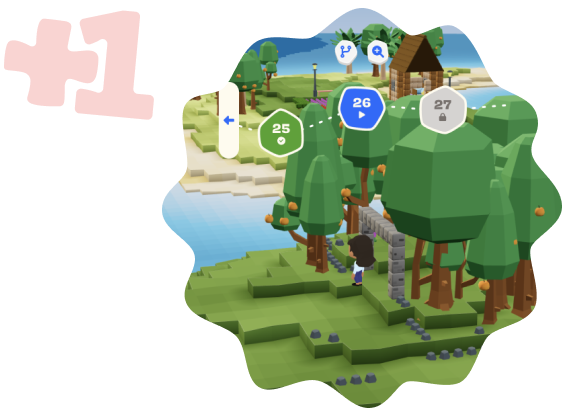
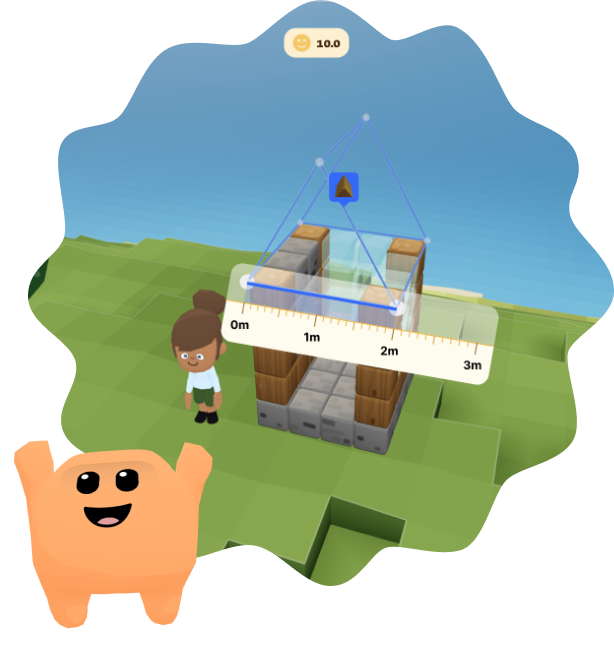
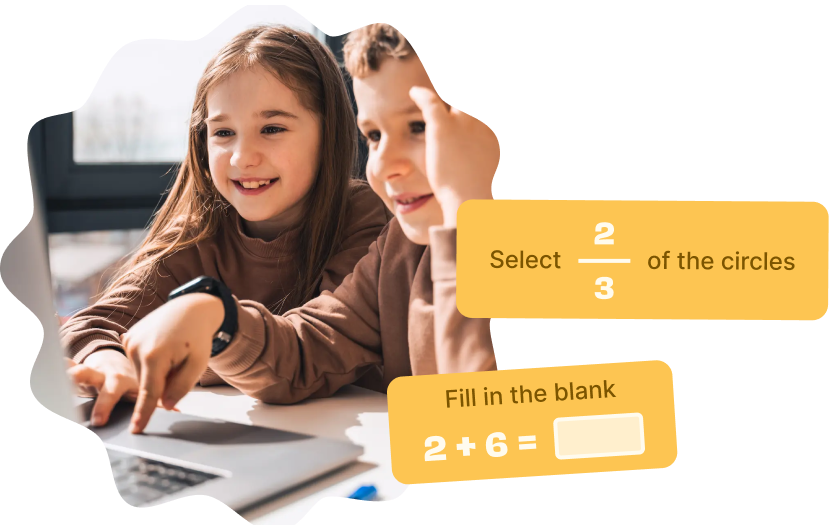
Polymath is a game-based math platform that tries to make children want to keep practicing. Kids work through adaptive math tasks inside playful scenarios, while parents and educators get visibility into progress and usage.
Polymath has focused developmental strength worth knowing about. It builds persistence. The main growth opportunity: Polymath is still a guided system.
Strengths & gaps
Strengths
- ● Polymath's clearest strength is Persistence. The whole product is built around making children stick with math longer than they would in a standard practice app.
- ● The adaptive game framing also gives it more life than plain drill products. Agency, adaptability, and curiosity all get some benefit from that more active format.
Gaps
- ○ Polymath is still a guided system. The child has more room than in a worksheet app, but the path is still largely authored for them.
- ○ Creativity is only moderate because the child is solving tasks, not building much that feels original.
- ○ Evidence is promising but still limited. Most of the case comes from company materials plus one news profile.
Detailed scores
How Polymath performs on each of the 9 literacies in our framework.
Doing
— 1 of 3 Strong
Polymath gives children a more active role than static practice tools. They move through a game world rather than a flat worksheet flow. But the system still controls the underlying progression.
Persistence is the product's biggest win. Polymath is explicitly trying to make children keep going with math because the experience feels more game-like and rewarding. That is a real developmental advantage if the product works as intended.
Adaptive difficulty and shifting scenarios can require children to change strategy as tasks evolve. That supports flexibility within math. The adaptability is still bounded by the system's authored problems.
Thinking
— 0 of 3 Strong
The playful framing can make a child want to see what comes next. That helps pull them into math work. But the curiosity loop remains tightly product-authored rather than child-led.
Polymath appears more imaginative than a plain drill platform. But the child is still mostly completing math tasks inside a designed world. That keeps creativity in the middle.
Children need to select strategies and judge whether answers make sense in the game's applied contexts. That is real but narrow judgment practice. It does not extend far beyond math reasoning.
Being
— 0 of 3 Strong
Polymath can be used with teachers or parents nearby, but Connection is not built into the core mechanics. The product itself is not strongly relational.
If children willingly stay with the product, that can support follow-through and delayed reward. Polymath helps by making math practice easier to sustain. It does not explicitly teach regulation strategies.
Polymath is about engagement and achievement in math. It does not strongly connect that effort to identity, values, or contribution.
Based on 5 sources
- Product polymath.how — parents
- Product polymath.how — educators
- Product polymath.how — terms
- Product polymath.how — privacy
- Product theaustralian.com.au — 1ed137c01e86e745fccdf573eb79882f
Reviewed by New Literacies
Scored by our research-derived framework · AI-assisted analysis with editorial review · 5 sources reviewed · Our methodology →
Get the next guide before it goes live
One email when a new product review ships.
Free. No spam. Unsubscribe anytime.
See other products strong in the same literacies: