
Pokémon GO
Ages 9-14 · freemium · AI Product · pokemongo.com ↗

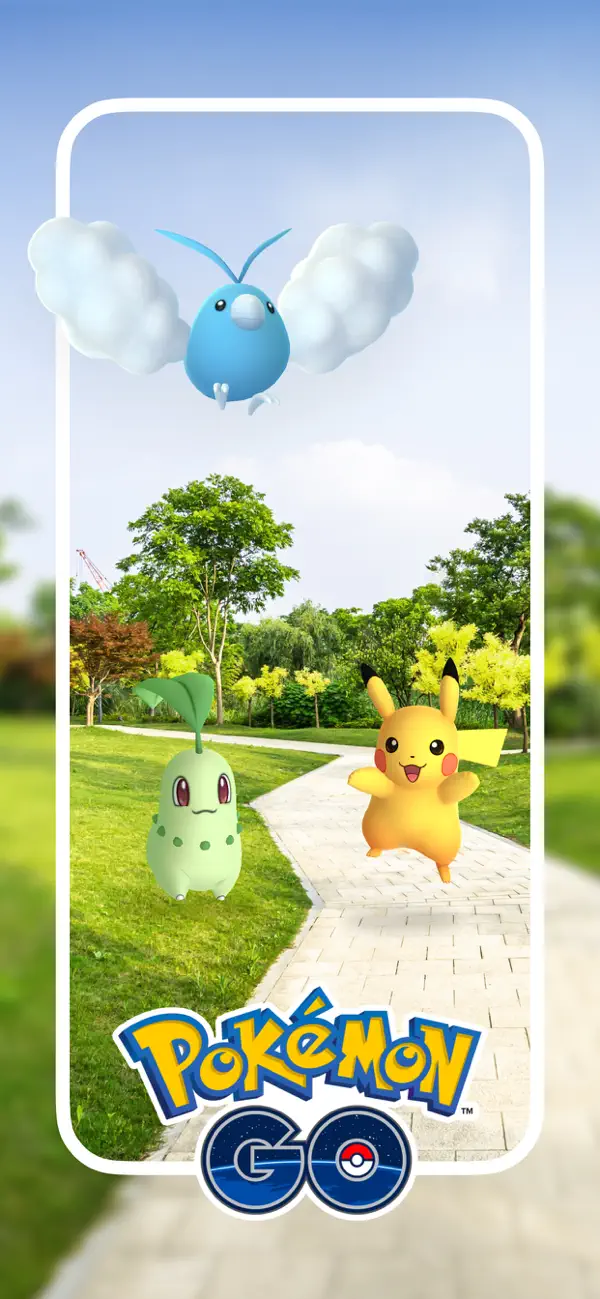
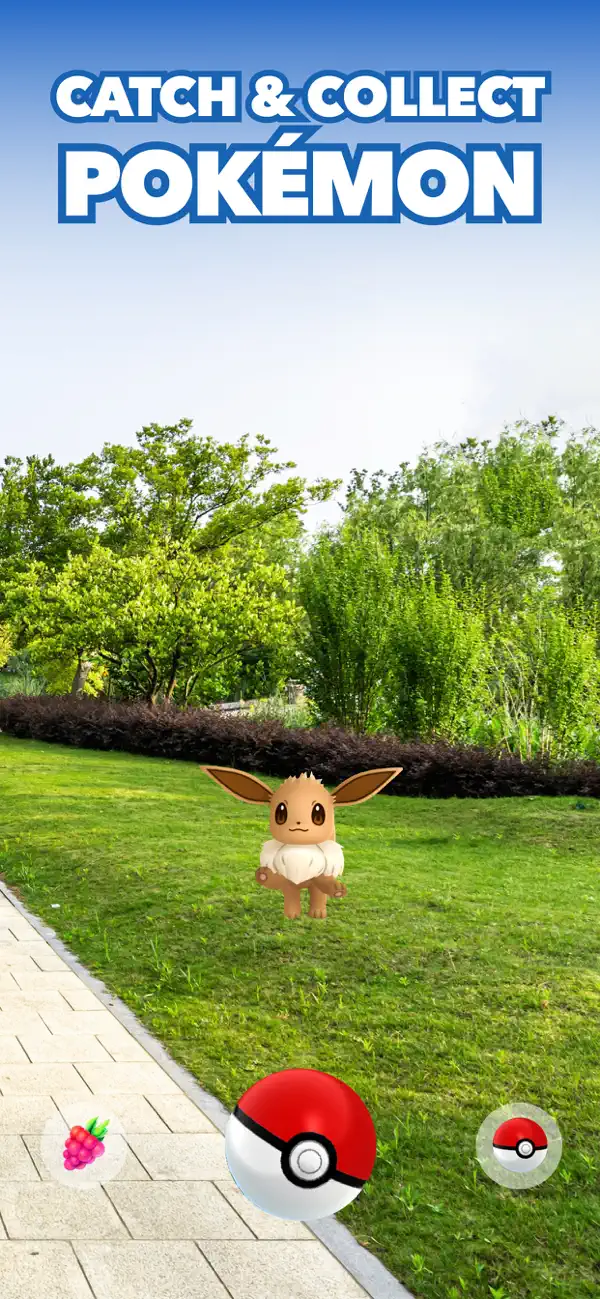
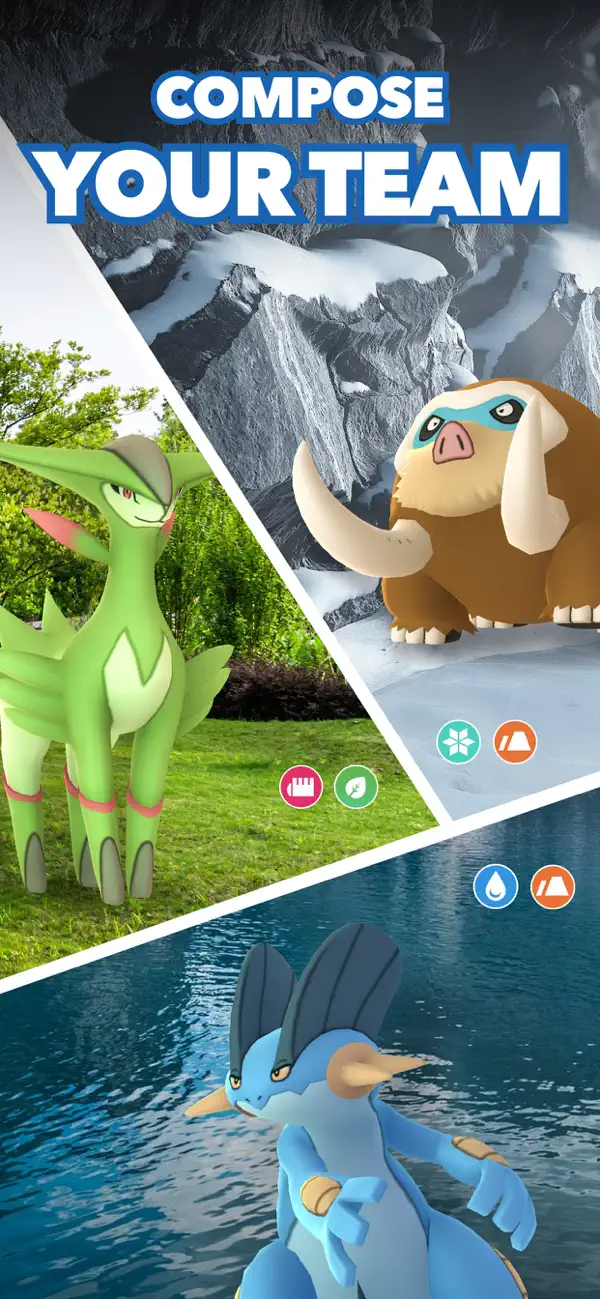
Pokémon GO is an augmented reality mobile game where kids walk around their real neighborhood catching virtual Pokémon that appear on their phone screen at real-world locations. Players visit PokéStops (often at local landmarks) to collect items, join raid battles with other players to defeat powerful Pokémon, and participate in monthly Community Day events that bring players together in parks. The game turns a walk around the block into a treasure hunt.
Pokémon GO has focused developmental strength worth knowing about. It builds connection. The main growth opportunity: Freemium mechanics undermine Self-Regulation.
Strengths & gaps
Strengths
- ● Pokémon GO's standout is Connection. Raid battles require real-time, in-person coordination with other players. Community Day events bring families and friends to parks. A systematic review found improved social interactions among players. Parents report the game creates genuine family bonding during walks.
- ● The game gets kids outside and walking. Multiple academic studies confirm increased physical activity among players. The AR overlay turns mundane walks into motivated exploration.
Gaps
- ○ Freemium mechanics undermine Self-Regulation. Daily streaks, event-limited Pokémon, and in-app purchase pressure create FOMO-driven engagement. A systematic review found "a complex relationship involving well-being and internet gaming disorder."
- ○ Pokémon GO doesn't build Creativity, Judgment, or Adaptability. The gameplay loop (catch, spin, raid) repeats without variation. Decisions are shallow. No original expression exists.
Detailed scores
How Pokémon GO performs on each of the 9 literacies in our framework.
Doing
— 0 of 3 Strong
Pokémon GO gives kids genuine choice about where to explore and which Pokémon to prioritize. Players initiate walks and choose routes. But the goals themselves are system-generated: complete this research task, catch this species, participate in this event. The child responds to the game's direction rather than setting their own.
Raid battles and rare Pokémon hunts require genuine effort over time. Building a strong collection takes months of regular play. But the core catching mechanic is repetitive rather than progressively challenging. The game encourages return visits through streaks more than through deepening difficulty.
The gameplay loop stays the same across sessions: walk, catch, spin PokéStops, join raids. Different locations provide physical variety but not cognitive variety. No strategy adaptation is required.
Thinking
— 0 of 3 Strong
PokéStops at local landmarks create genuine discovery moments. Kids learn about neighborhood geography, historical markers, and public art they would have walked past. The Edutopia review highlights educational potential for geography. But the curiosity is a byproduct of the collection mechanic, not designed for inquiry.
Pokémon GO involves collecting and battling, not creating. No building, original expression, or creative output exists. Creativity is outside the product's scope.
Some resource allocation decisions exist: which Pokémon to evolve, which raids to join, how to spend PokéCoins. But these decisions are shallow with minor consequences. No evaluation of information, competing perspectives, or meaningful tradeoffs.
Being
— 1 of 3 Strong
This is Pokémon GO's developmental standout. A 2023 systematic review found improved social interactions among players. Community Day events create genuine shared physical experiences in parks. Raid battles require real-time coordination with other players who are physically present. Trading involves negotiation. Parent-child co-play is well-documented in qualitative research. This is real human connection, not simulated.
The freemium model works against self-regulation. Daily streaks penalize missed days. Event-limited Pokémon create urgency. In-app purchases are constantly available. A systematic review noted associations with internet gaming disorder. The game creates engagement pressure rather than building the capacity to manage it.
No identity exploration, values engagement, or contribution beyond personal Pokémon collection. Purpose is outside Pokémon GO's scope.
Based on 5 sources
- Research edutopia.org — educational potential pokemon go
- Review commonsensemedia.org — pokemon go
- Product pmc.ncbi.nlm.nih.gov — PMC
- Product pmc.ncbi.nlm.nih.gov — PMC
- Product pmc.ncbi.nlm.nih.gov — PMC
Reviewed by New Literacies
Scored by our research-derived framework · AI-assisted analysis with editorial review · 5 sources reviewed · Our methodology →
Personalization bridge
Not sure what your kid needs most?
Take the quiz to see which literacies matter most for your family, then get practical things to try at home.
Get your family profileExplore more
See other products strong in the same literacies: