Pixicade
Ages 5-12 · paid · Product · pixicade.com ↗
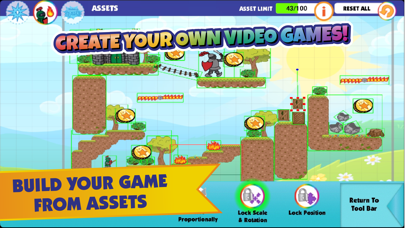
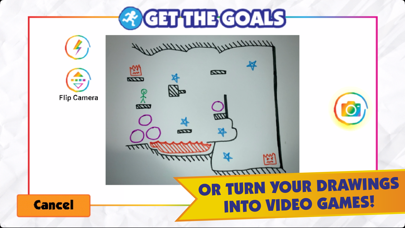

Pixicade is a draw-to-game maker. Kids sketch characters and level pieces on paper, snap a photo, and turn that drawing into a playable mobile game. Then they test it, tweak it, and share it in Pixicade's arcade. The core loop is closer to toy design than game consumption. The child keeps moving between drawing, testing, and editing until the game feels right.
Pixicade has focused developmental strength worth knowing about. It builds agency, creativity. The main growth opportunity: Technical friction shows up often in user reviews.
Full review
The NL Score measures developmental capacity-building, not product quality.
Strengths & gaps
Strengths
- ● Pixicade is strongest for Agency and Creativity. The child is not just playing a game. The child is making one.
- ● The draw-snap-play loop gives fast feedback. Kids can test an idea, see what broke, and change it.
- ● Sharing in the arcade gives the work an audience. That helps the project feel more real than a private sketchbook page.
Gaps
- ○ Technical friction shows up often in user reviews. Lag, crashes, and fussy scanning can turn useful struggle into tool frustration.
- ○ Connection is present, but it is not deep collaboration. Most of the real work still happens alone.
- ○ Self-regulation signals are mixed. Iteration helps, but scan issues, crashes, and other technical friction can break focus.
Detailed scores
How Pixicade performs on each of the 9 literacies in our framework.
Doing
— 1 of 3 Strong
Pixicade gives the child real control over the thing being built. Kids draw the characters, choose the game type, place the hazards, and decide what the player is trying to do. That is strong agency because the game only exists through the child's decisions.
Pixicade often makes kids test and revise. Parents described the fun as designing and editing, and one reviewer said that if a game does not work, you figure out how to fix it. But the same review pool also reports lag, crashes, and finicky setup. That keeps Persistence at Moderate instead of Strong.
Children have to switch approaches when a scan misreads a drawing or a level does not play the way they expected. Pixicade also lets them move across different game types and mechanic sets. That supports flexibility. But it all stays inside one game-making system.
Thinking
— 1 of 3 Strong
The product creates a natural "what if I try this?" loop. Turning a doodle into a working game is a good curiosity hook, and the arcade gives kids other games to explore for ideas. Still, Pixicade is mostly about making, testing, and sharing. It does not strongly build inquiry outside that loop.
Creativity is the clearest strength. Kids turn their own drawings into playable systems and then keep shaping them through edits, powerups, music, and level changes. The result is not just decorated content. It is original work with a real interactive form.
Game design asks for judgment. Kids have to decide what belongs in a level, how hard it should be, where hazards go, and whether the game is fun or unfair. Those are real design choices. But they stay mostly inside play balance and player experience.
Being
— 0 of 3 Strong
Pixicade gives kids a public-facing audience through the arcade and creator community. Sharing, following, and playing other users' games can make the work feel social. But the product is not built around rich collaboration. The main developmental action is still individual creation.
Children need patience to rescan, tweak, and rebuild when a level is off. That is genuine regulation practice. But some user reviews describe frustrating bugs, lag, and scanning friction that interrupt the loop. The product gives some regulation reps without being a clean self-regulation tool.
Pixicade gives the child a clear reason to finish. Someone else can actually play the game. That matters. But the purpose signal is mostly "make something fun for others" rather than deeper identity, values, or contribution.
Based on 7 sources
- Product bitogenius.com — pixicade
- Product apps.apple.com — id
- Product play.google.com — details
- Product apps.apple.com — id
- Product parents.com — parents best toys awards 2025 tween teen toys
- Product walmart.com —
- Product bitogenius.com — pixicade edu
Reviewed by New Literacies
Scored by our research-derived framework · AI-assisted analysis with editorial review · 7 sources reviewed · Our methodology →
Get the next guide before it goes live
One email when a new product review ships.
Free. No spam. Unsubscribe anytime.
See other products strong in the same literacies: