Pikmin Bloom
Ages 7-12 · free · AI Product · pikminbloom.com ↗
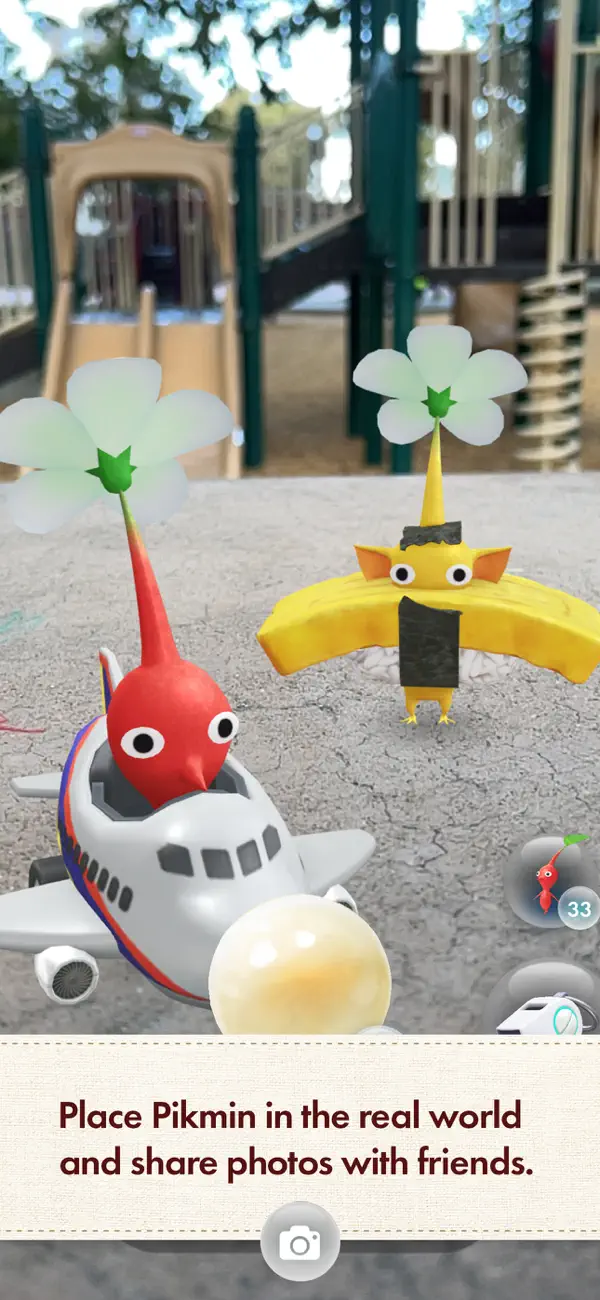


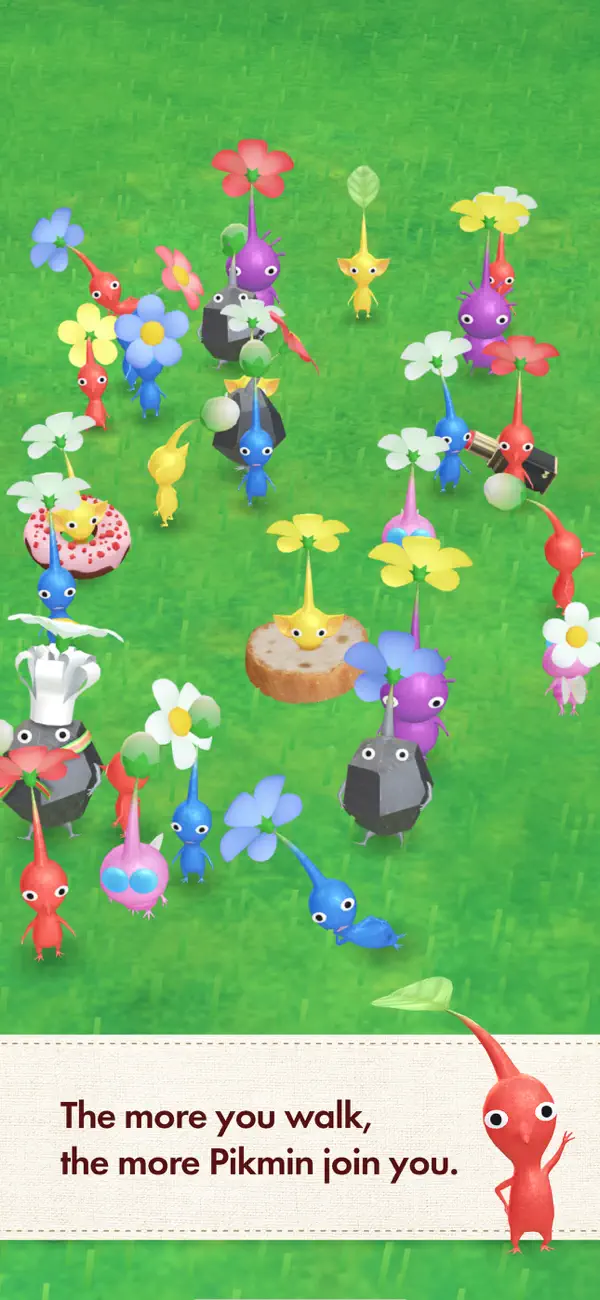
Pikmin Bloom is a mobile app that turns walking into a gardening game. As kids walk with their phone, tiny Pikmin creatures grow from seedlings, flowers plant along their path on a real-world map, and Décor Pikmin with special outfits can be found near landmarks. There's no combat, no competition, and minimal interaction required. The game is essentially a charming pedometer that rewards daily walks with cute animations.
We've reviewed Pikmin Bloom against our 9-literacy developmental framework. The main growth opportunity: Pikmin Bloom is too passive to build developmental capacities.
Strengths & gaps
Strengths
- ● Pikmin Bloom is gentle. Zero violence, zero stress, zero competition. The Pikmin are "undeniably charming" (Nintendo Life). For parents worried about aggressive or addictive game design, Pikmin Bloom is about as safe as mobile gaming gets.
- ● The game gets kids walking. It genuinely succeeds at its core mission of incentivizing outdoor activity, even if the gameplay is minimal.
Gaps
- ○ Pikmin Bloom is too passive to build developmental capacities. Most "gameplay" happens automatically while walking. The child makes almost no decisions, faces no challenges, and creates nothing.
- ○ Limited depth and engagement. Multiple reviewers note the game gets repetitive quickly. Parent reviews on Common Sense Media describe kids losing interest.
Detailed scores
How Pikmin Bloom performs on each of the 9 literacies in our framework.
Doing
— 0 of 3 Strong
Nintendo Life calls Pikmin Bloom "a glorified pedometer." Digital Trends notes it's "more a fitness app than a video game." The child walks. Pikmin grow automatically. Flowers plant as you go. Progress happens passively. The child's role is to carry their phone, not to make decisions.
Pikmin Bloom encourages daily walks, but walking is already something kids do. There's no difficulty to persist through, no challenge to overcome. The game rewards existing behavior rather than building new capacity through effort.
No strategy variation, problem-solving, or approach-switching exists. Adaptability is outside the product's scope.
Thinking
— 0 of 3 Strong
Décor Pikmin near real-world landmarks create minor "what's over there?" incentive. But there's no depth, no inquiry, no information gaps to explore. The curiosity is about collecting, not understanding.
No creation or original expression. Creativity is outside Pikmin Bloom's scope.
No decisions, evaluation, or tradeoffs. Judgment is outside the product's scope.
Being
— 0 of 3 Strong
Community challenges and group flower planting events were added in updates. But the interaction is asynchronous, with no real-time communication, negotiation, or shared experience within the app.
Pikmin Bloom's gentle pacing is a positive design choice. But gentle means there's no self-regulation challenge to practice. Daily step tracking creates mild engagement pressure without building regulation capacity.
No identity, values, or contribution component. Purpose is outside Pikmin Bloom's scope.
Based on 5 sources
Reviewed by New Literacies
Scored by our research-derived framework · AI-assisted analysis with editorial review · 5 sources reviewed · Our methodology →
Get the next guide before it goes live
One email when a new product review ships.
Free. No spam. Unsubscribe anytime.