PATHS
Ages 4-11 · paid · Curriculum · pathsprogram.com ↗
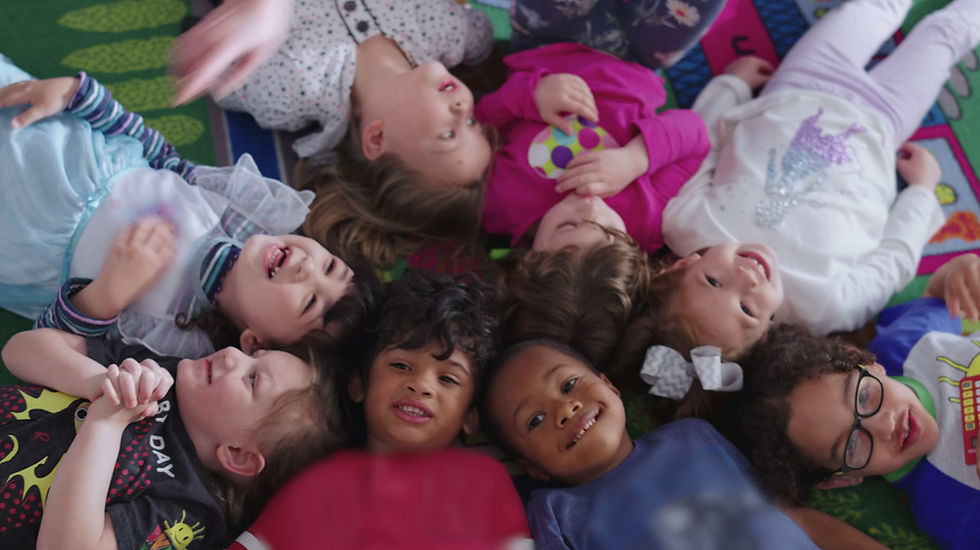
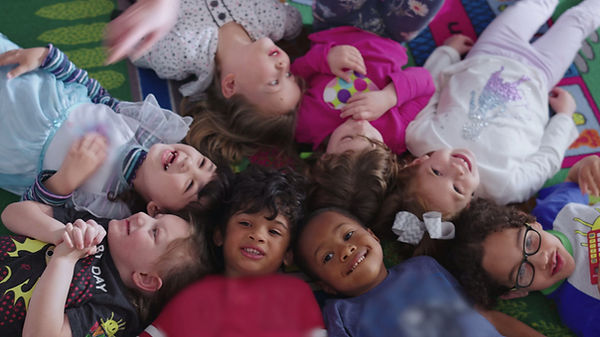
PATHS is a teacher-led SEL curriculum used in preschool and elementary classrooms. Kids work through fully scripted lessons, feelings cards, calming routines, stories, and social problem-solving activities meant to build emotional literacy and better behavior with peers.
PATHS stands out for developmental impact across multiple literacies. It builds judgment, interpersonal skills. The main growth opportunity: PATHS is teacher-scripted.
Strengths & gaps
Strengths
- ● PATHS is strongest for self-regulation, judgment, and connection. It gives children direct language and routines for calming down, recognizing feelings, and choosing better social responses.
- ● The evidence base is better than for many branded SEL products. Multiple randomized studies show gains in emotional knowledge and social competence, even if results are not uniformly dramatic across all outcomes.
Gaps
- ○ PATHS is teacher-scripted. Children practice good choices inside the lesson flow, but they do not have much control over goals, pacing, or direction.
- ○ Curiosity and creativity are outside the main design. This is a social-emotional curriculum, not a tool for exploration or invention.
Detailed scores
How PATHS performs on each of the 9 literacies in our framework.
Doing
— 0 of 3 Strong
PATHS lets children practice choosing a calmer or more prosocial response. That matters. But the overall experience is tightly teacher-led, so agency stays bounded.
PATHS helps children recover from frustration and keep going after emotional disruption. That's useful for persistence. But the curriculum does not really build endurance through hard, sustained challenge.
Children are asked to use social problem-solving steps across different contexts. That requires some flexibility. Still, PATHS is stronger on judgment and regulation than on broad adaptability.
Thinking
— 1 of 3 Strong
PATHS does not mainly build curiosity. The child is not following questions or rabbit holes. The work is structured and skill-specific.
There are activities and stories, but creativity is not the developmental target. PATHS is not asking children to originate or revise meaningful creative work.
Judgment is a clear fit. PATHS teaches children to notice feelings, think through consequences, and choose more constructive actions. That is exactly the kind of child-scaled judgment the rubric is trying to surface.
Being
— 2 of 3 Strong
Connection is also a core strength. The program exists to improve how children relate to peers and adults, and the literature repeatedly points to gains in social competence.
Self-regulation is explicit in the curriculum and materials. PATHS does not just tell children to calm down. It gives them repeated routines, language, and cues for doing it.
PATHS has a moral-social frame around caring and responsible behavior. But it doesn't go especially deep on identity or contribution. Moderate is enough.
Based on 7 sources
- Product pubmed.ncbi.nlm.nih.gov —
- Product pubmed.ncbi.nlm.nih.gov —
- Product pubmed.ncbi.nlm.nih.gov —
- Product pubmed.ncbi.nlm.nih.gov —
- Product pathsprogram.com
- Product shop.pathsprogram.com — paths grade 1 classroom implementation package
- Product shop.pathsprogram.com — paths grade 2 classroom implementation package
Reviewed by New Literacies
Scored by our research-derived framework · AI-assisted analysis with editorial review · 7 sources reviewed · Our methodology →
Personalization bridge
Not sure what your kid needs most?
Take the quiz to see which literacies matter most for your family, then get practical things to try at home.
Get your family profileExplore more
See other products strong in the same literacies: