Pandemic (Family Edition)
Ages 8-14 · paid · Product · zmangames.com ↗
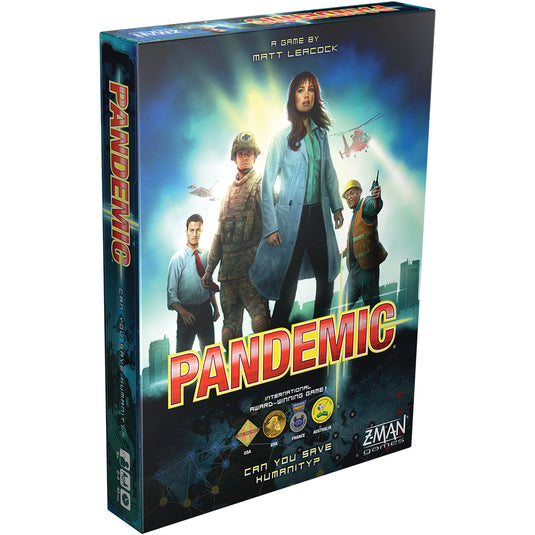
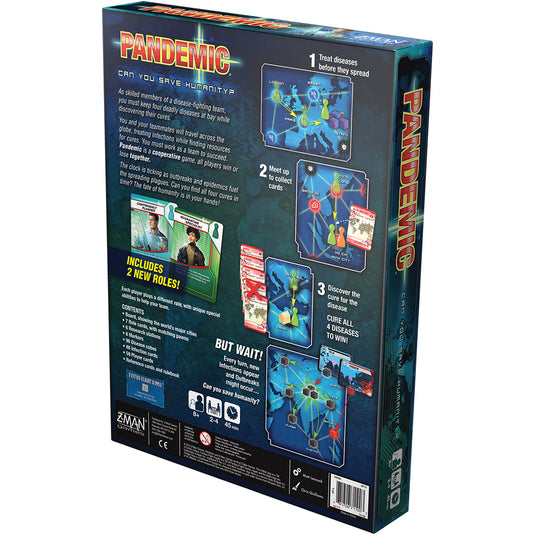
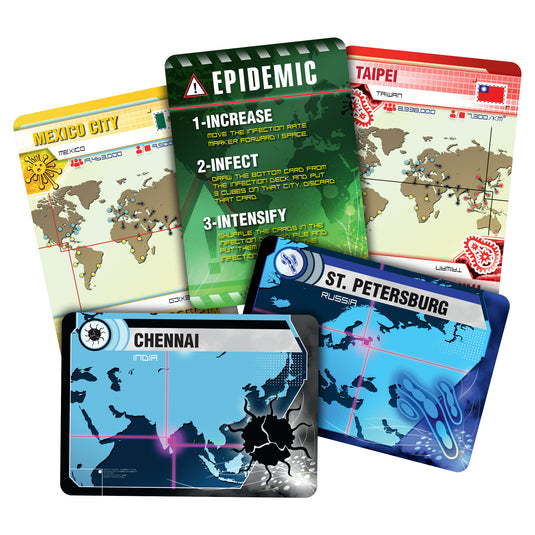
Pandemic (Family Edition) is a cooperative board game where 2-4 players take specialist roles, travel a world map, treat infections, share cards, and race to discover cures before outbreaks spread too far. The core loop is shared pressure: the team either saves the world together or loses together. The publisher page and Purdue’s classroom guide both frame it as a team puzzle. In practice, it looks like table talk, tradeoffs, and a lot of re-planning when the board turns against you.
Pandemic (Family Edition) stands out for developmental impact across multiple literacies. It builds persistence, judgment, connection. The main growth opportunity: pandemic is not a creativity tool. It rewards tactical problem-solving, not open-ended making or original expression.
Full review
NL Score measures developmental capacity-building, not product quality.
Strengths & gaps
Strengths
- ● Pandemic is best for Connection and Judgment. The table has to talk constantly, weigh options, and coordinate as one team.
- ● It also builds Persistence well. Losing is common, and the game rewards staying with the problem long enough to get better.
- ● The disease theme gives the game a real-world frame. Kids can connect play to outbreaks, response, and public-health thinking.
Gaps
- ○ Pandemic is not a creativity tool. It rewards tactical problem-solving, not open-ended making or original expression.
- ○ Self-regulation gets practiced, but not taught. Kids feel the tension, but the game doesn’t give them coping tools.
- ○ Purpose is present as contribution, but it stays broad. The game doesn’t push into identity or values very deeply.
Detailed scores
How Pandemic (Family Edition) performs on each of the 9 literacies in our framework.
Doing
— 1 of 3 Strong
Pandemic gives kids meaningful agency inside a fixed mission. Each turn asks them to decide how to spend actions, which specialist move matters most, and when to commit cards or resources. But the goal is already set: the team is trying to stop the diseases. That keeps the child active without making the experience self-authored.
Pandemic is designed to be hard. Wargamer says you will probably lose several games before you win, and the official customer reviews echo that the game can turn bad quickly and still keep people engaged. That’s productive struggle, not punishment. Kids learn to stay with a hard problem and try again.
Pandemic changes fast, so the table has to keep adjusting. Outbreaks spread, hotspots shift, and good plans can fall apart in one card flip. Wargamer calls it an evolving puzzle, and Purdue suggests using a timer to force faster decisions. Still, the game is always the same kind of challenge, so it doesn’t reach Strong breadth.
Thinking
— 1 of 3 Strong
Pandemic can pull kids into questions about disease spread, hotspots, and why some choices matter more than others. Purdue’s worksheet explicitly asks players to describe infection patterns and connect the game to real-world outbreak response. But the game doesn’t let kids wander far outside the scripted system. It sparks curiosity without becoming an open inquiry tool.
Pandemic is about tactical problem-solving, not making new things. The child chooses from a fixed action set and coordinates within a rule system, but doesn’t create stories, worlds, or artifacts. That puts the game outside the rubric’s creativity target.
Pandemic makes kids weigh tradeoffs constantly. Do you stop the spread now, save cards for a cure, or spend actions setting up the next turn? Purdue’s classroom materials ask players to explain why their role helped and how the disease spread, which makes the thinking visible. The game rewards choosing well under pressure.
Being
— 1 of 3 Strong
Pandemic is a true cooperative game. Purdue and Z-Man both say players win or lose together, and the Embry-Riddle study uses the game to observe teamwork behaviors. The Thai observational study found brainstorming, decision-making, and shared communication inside Pandemic play. The table has to coordinate or it fails.
Pandemic creates real pressure. Outbreaks can cascade, plans can collapse, and the game can feel tense even when everyone is playing well. That gives kids practice managing frustration and staying engaged. But the game doesn’t teach calming strategies or emotional language, so the regulation is implicit.
Pandemic gives kids a contribution story. They are not just scoring points; they are trying to save humanity together. Purdue pushes that further by linking the game to scientists, health workers, and disease-response careers. The game connects effort to helping others, even if it doesn’t do much with personal identity.
Based on 10 sources
- Research purdue.edu — index.html
- Research purdue.edu — worksheet.html
- Research portfolio.erau.edu — using the cooperative board game pandemic to study teamwork
- Product so04.tci-thaijo.org —
- Product wargamer.com — review
- Product gamesradar.com — the best cooperative board games
- Product boardgamegeek.com — Pandemic_series
- Product borncute.com — best family board games reviewed
- Product store.asmodee.com — pandemic
- Product zmangames.com
Reviewed by New Literacies
Scored by our research-derived framework · AI-assisted analysis with editorial review · 10 sources reviewed · Our methodology →
Personalization bridge
Not sure what your kid needs most?
Take the quiz to see which literacies matter most for your family, then get practical things to try at home.
Get your family profileExplore more
See other products strong in the same literacies: