Ozobot
Ages 6-12 · paid · Product · ozobot.com ↗
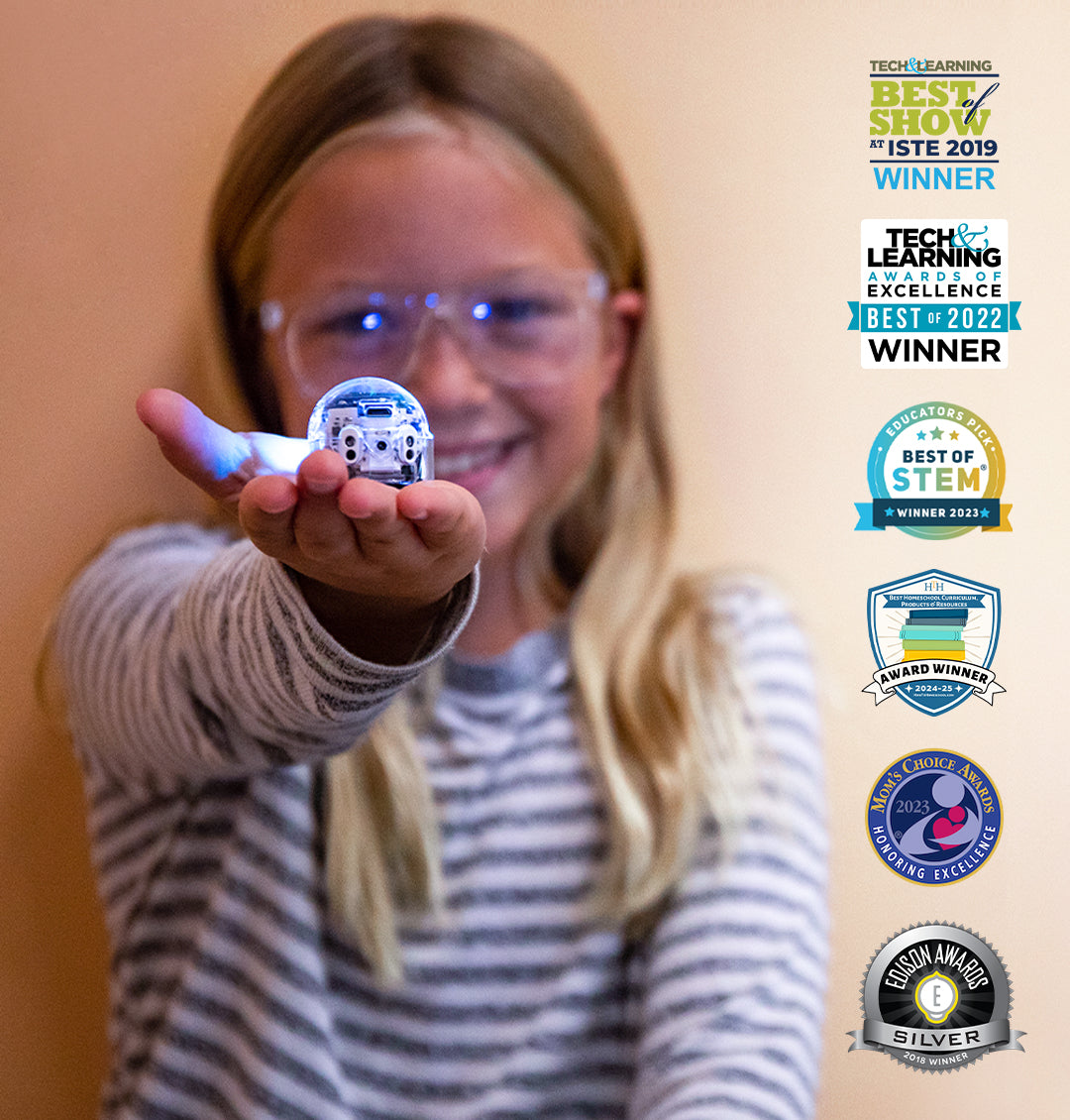
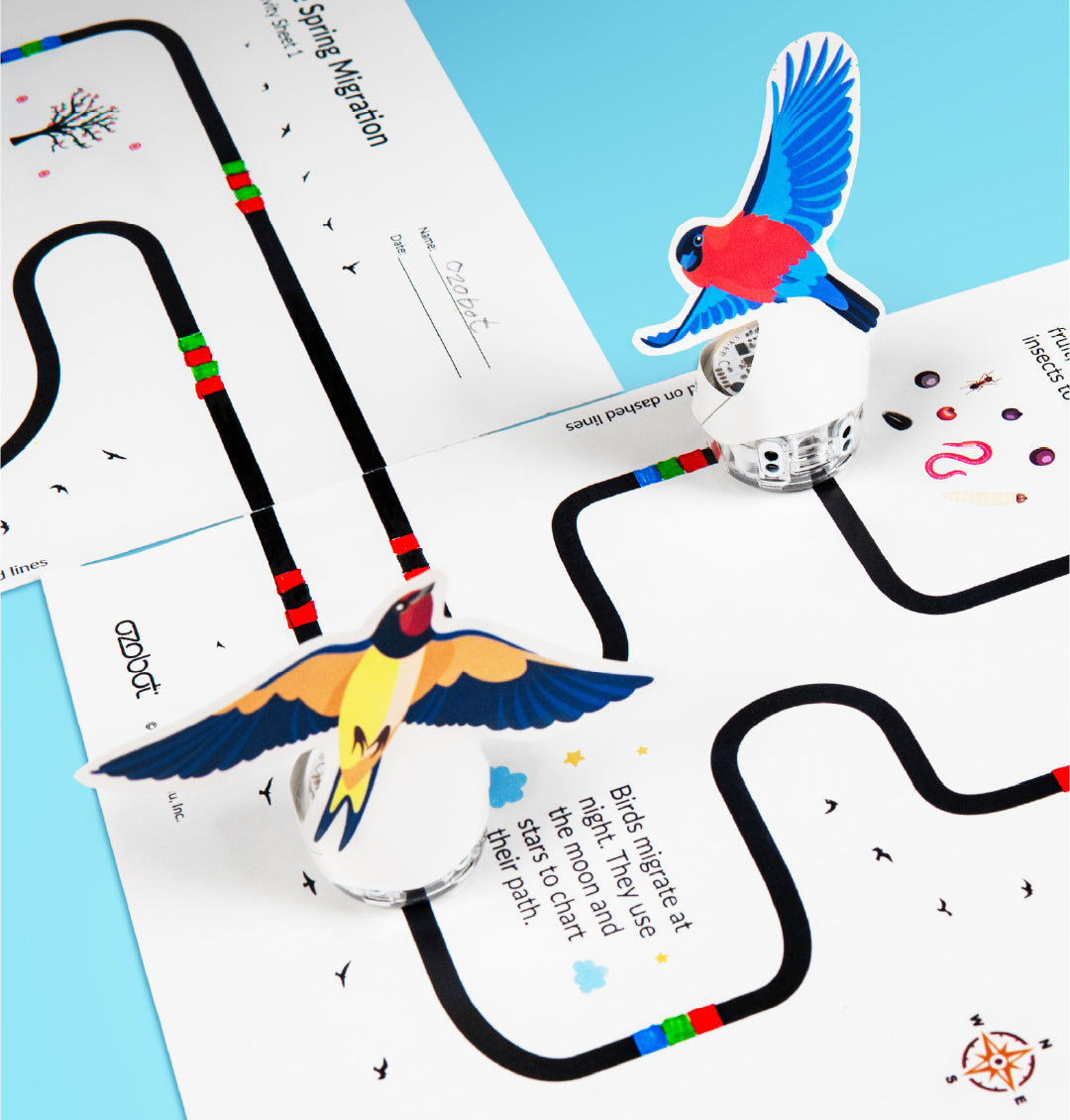
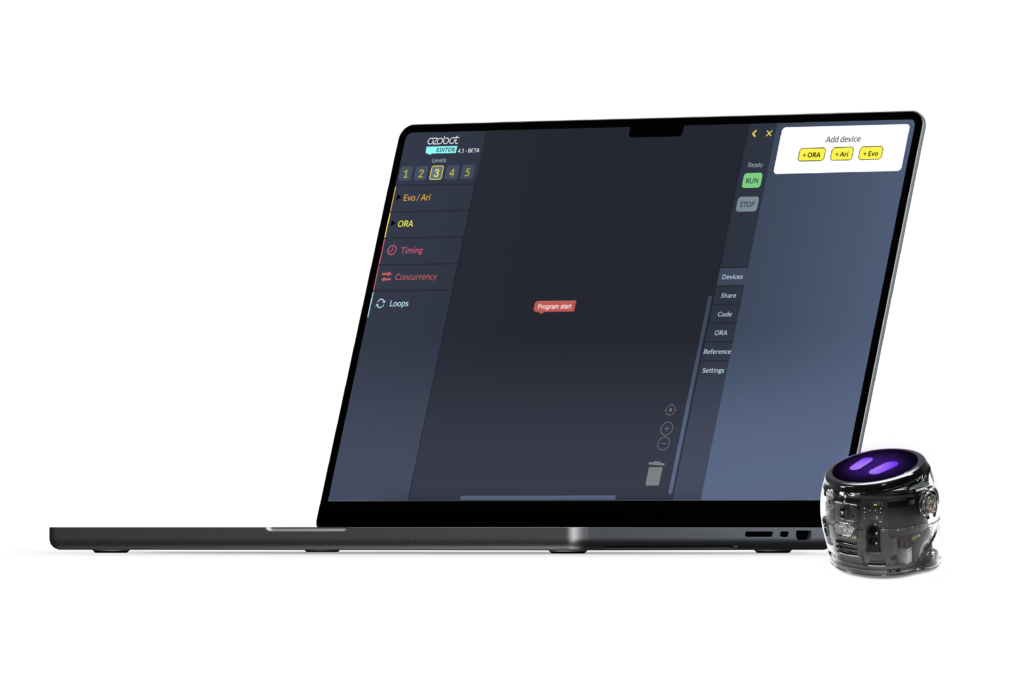
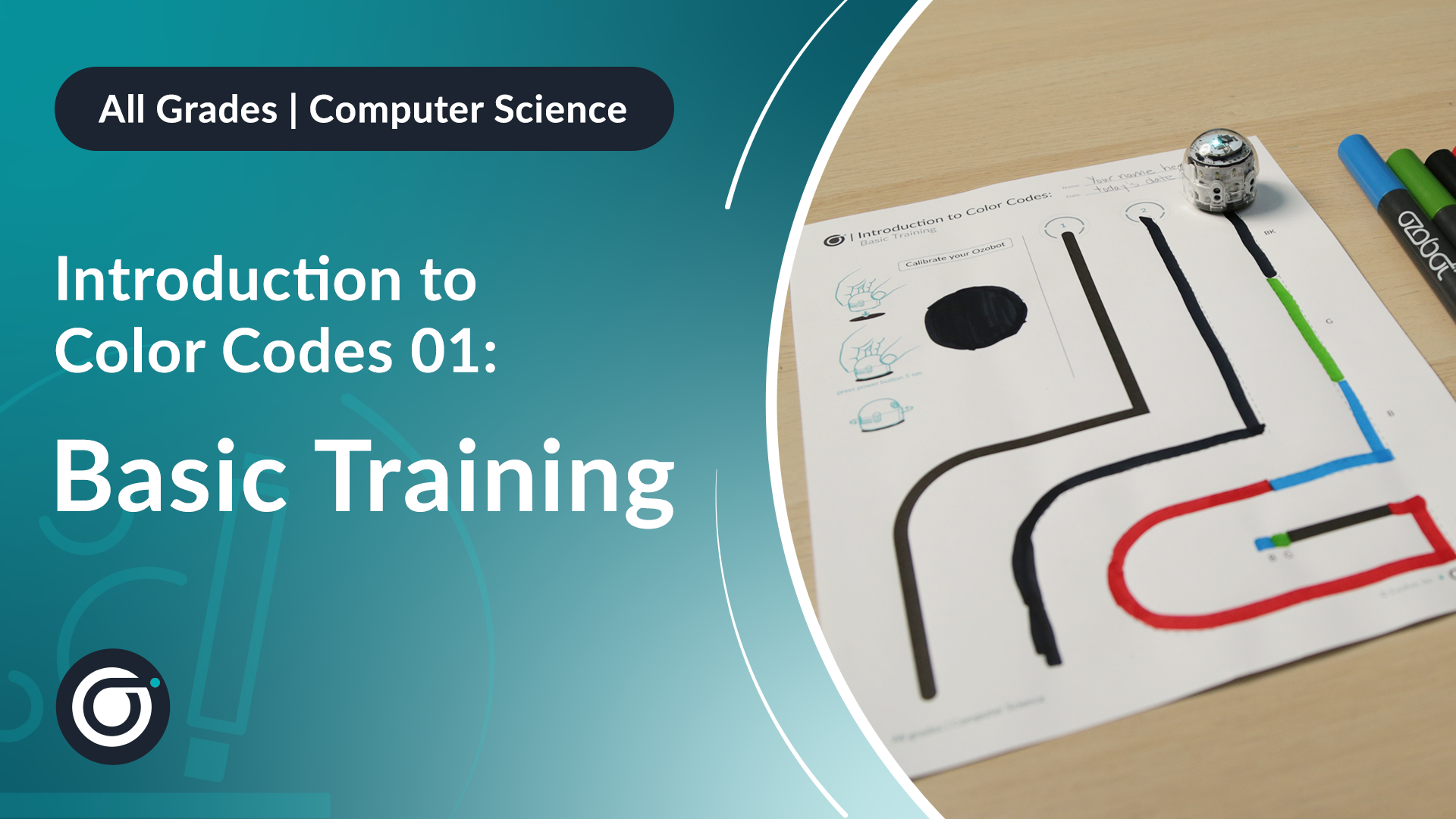
Ozobot is a small coding robot line built around Evo, Color Codes, and Ozobot Blockly. Kids draw lines and color codes on paper, then move into browser-based block coding when they are ready. In classrooms, the same robot can be used for mazes, stories, and other cross-subject lessons.
Ozobot stands out for developmental impact across multiple literacies. It builds action and persistence, creativity. The main growth opportunity: Ozobot does not build deep judgment.
Strengths & gaps
Strengths
- ● Ozobot's best feature is that it makes coding feel physical. Kids see the result of their choices immediately on paper and on the floor.
- ● The product is flexible without becoming vague. It starts with Color Codes, then opens into Blockly and classroom lessons.
- ● The classroom materials are broad enough to matter across subjects. That makes Ozobot more than a single-purpose coding toy.
Gaps
- ○ Ozobot does not build deep judgment. Kids make technical choices, but the product does not ask them to weigh evidence or values.
- ○ Connection depends on the setting. The robot can be collaborative, but it does not create relationships by itself.
- ○ Purpose stays indirect. The product points to future-ready learning, not to a child's identity or contribution.
Detailed scores
How Ozobot performs on each of the 9 literacies in our framework.
Doing
— 3 of 3 Strong
Ozobot gives kids clear ownership of the outcome. They draw the path, choose the blocks, and decide what the robot should do next. That is enough control to feel like genuine authorship.
Ozobot keeps children in a meaningful debug loop. If the robot misses a line or misreads a code, the child has to adjust and try again. The five-level Blockly pathway also keeps the difficulty ladder visible instead of flattening the challenge.
Ozobot asks children to shift modes, not just repeat the same trick. They move from paper Color Codes to Blockly and, in some classroom settings, into Python or Editor-based work. The academic storytelling study shows the robot being used across narrative, sequence, and conditional tasks, which requires real strategy switching.
Thinking
— 1 of 3 Strong
Ozobot sparks curiosity by turning a sheet of paper into a programmable surface. Kids quickly get a reason to ask what different codes will do. But the experience is still led by a lesson path, so the curiosity is guided rather than open-ended.
Ozobot supports invention in a concrete way. Kids can create mazes, games, stories, and custom tracks, then watch the robot carry them out. The Common Sense review and the storytelling study both show children using the robot to make something original, not just solve a worksheet.
Ozobot requires children to think through code choices and check whether a plan works. That builds analytical judgment in a limited setting. It does not push hard on competing perspectives, sources, or broader tradeoffs.
Being
— 0 of 3 Strong
Ozobot works best when children use it together. The storytelling study describes group negotiation, and the classroom kit is explicitly sold as a collaborative tool. Even so, the robot itself does not force relationship-building or shared responsibility.
Ozobot produces small, useful frustrations. A failed line or code asks the child to slow down and fix the problem rather than quitting. That is real practice, but the product does not explicitly teach calming or coping routines.
Ozobot gives children a reason to care about coding because it links the work to school subjects and future skills. That makes the experience feel useful. It still stops short of turning the child's effort toward service, identity, or a larger contribution.
Based on 11 sources
- Review commonsense.org — evo by ozobot
- Product wired.com — review ozobot evo
- Product ilounge.com — evollve ozobot
- Product bellwebonline.com — ozobot robot review
- Product mdpi.com —
- Product ozobot.com — about us
- Product shop.ozobot.com — evo entry kit
- Product ozobot.com — faq
- Product ozobot.com — color codes
- Product ozobot.com — ozobot blockly
- Product shop.ozobot.com — evo classroom kit 6 bots
Reviewed by New Literacies
Scored by our research-derived framework · AI-assisted analysis with editorial review · 11 sources reviewed · Our methodology →
Get the next guide before it goes live
One email when a new product review ships.
Free. No spam. Unsubscribe anytime.
See other products strong in the same literacies: