Osmo (Tangible Play)
Ages 5-12 · paid · AI Product · playosmo.com ↗
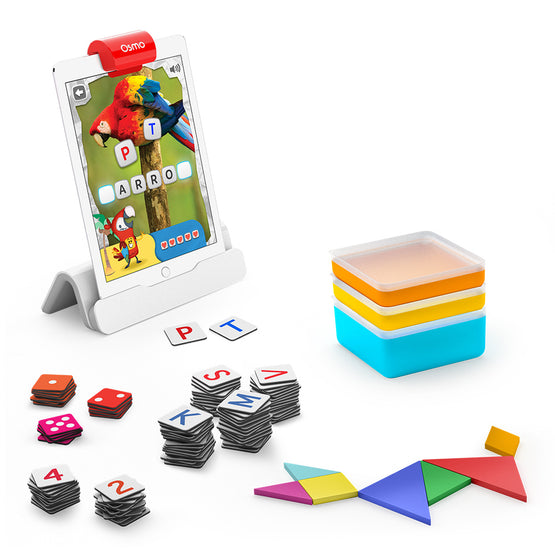
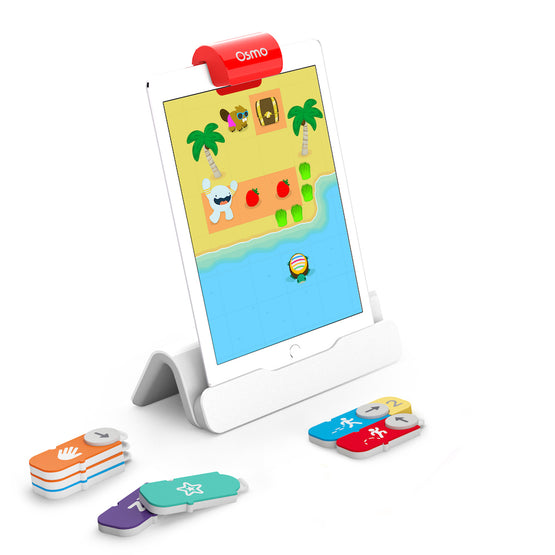
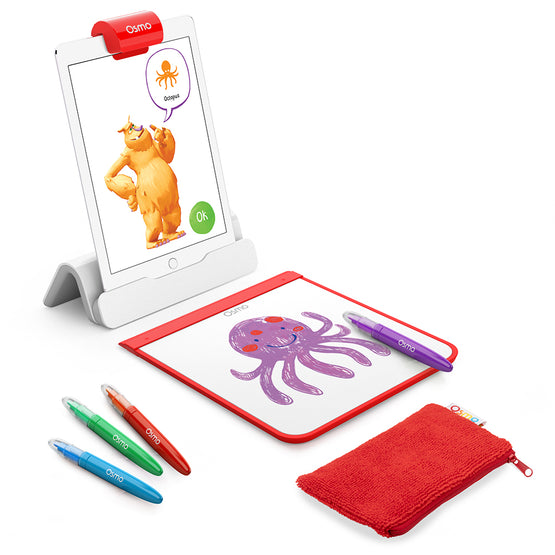
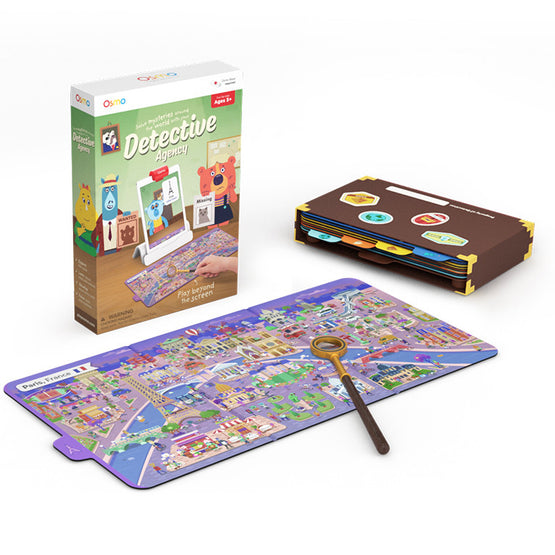
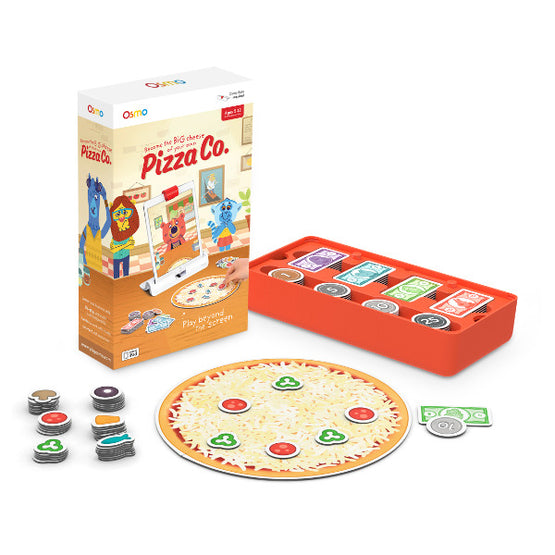
Osmo is a physical-digital learning system where kids place real objects — tangram tiles, coding blocks, letter tiles, drawing markers — in front of an iPad, and the screen responds instantly to what they're doing. Each kit targets a different skill: Tangram is spatial puzzles, Coding uses snap-together blocks to move a character, Pizza Co. has kids running a pretend pizza shop with real felt toppings, and Masterpiece turns paper drawings into on-screen art. Sold as starter kits for ages 3-12, with add-on games that expand the system over time.
Osmo (Tangible Play) stands out for developmental impact across multiple literacies. It builds adaptability, cognitive skills. The main growth opportunity: Osmo is still a system with scripted goals.
Strengths & gaps
Strengths
- ● Osmo's physical-plus-digital setup is the point. Kids move real pieces, draw on paper, and see the screen respond immediately.
- ● The kit range creates real variety. Coding, spatial puzzles, drawing, and pretend business all ask for different kinds of thinking.
- ● The strongest kits turn making into a visible artifact. That is most obvious in Creative Starter Kit and the preschool kits.
Gaps
- ○ Osmo is still a system with scripted goals. Children make choices inside a designed path rather than setting the agenda themselves.
- ○ Connection depends on context. The product works well in small groups, but it does not require collaboration.
- ○ Purpose stays thin. Osmo helps children learn and make things, but it does not connect that work to identity or contribution.
Detailed scores
How Osmo (Tangible Play) performs on each of the 9 literacies in our framework.
Doing
— 1 of 3 Strong
Osmo gives children meaningful control over execution. They choose Tangram shapes, coding blocks, drawing details, and some business decisions in Pizza Co. But the system sets the problem and the path. The child responds to the product's prompts rather than setting goals of their own.
Osmo creates real effort. Tangram puzzles, coding sequences, and pizza-shop decisions all take repeated tries. The product also softens the struggle. Hints and self-leveling keep most tasks from becoming a true persistence test.
Osmo's clearest developmental value is how much it changes the kind of thinking it asks for. Tangram, Coding, Newton, and Pizza Co. all demand different strategies. That variety forces children to switch modes rather than rehearse one procedure. This is exactly the kind of strategic flexibility the rubric rewards.
Thinking
— 2 of 3 Strong
Detective Agency builds curiosity by design. The child travels to cities, inspects clues, and has to ask what each clue means. Newton also helps by turning motion and physics into something the child can test. The product creates enough uncertainty to keep children exploring.
The strongest Osmo kits start with a blank page. Creative Starter Kit blends doodling with on-screen action, and the preschool kits keep the materials simple and open-ended. That puts the child in the role of maker, not chooser. The result is original work that can be revised and shared.
Pizza Co. is the best example here. Kids decide what customers want, how much to charge, and when to reinvest. That is real evaluative work, but it stays narrow. The product does not ask children to compare viewpoints, weigh evidence broadly, or reason through moral tradeoffs.
Being
— 0 of 3 Strong
Osmo is naturally social around a table. The physical pieces invite siblings, parents, or classmates to lean in and help. The system can support collaboration, but it does not require it. Connection is a common use pattern, not a built-in demand.
Osmo does create frustration. If a coding block is not read or a tangram puzzle does not fit, the child has to keep going. But the system handles a lot of the emotional load. Quick feedback and hints make the struggle manageable rather than deep.
Osmo helps children practice skills and finish artifacts, but it stays inside play and learning. It does not connect effort to values, identity, or community contribution. That is not a failure of the product. It is simply outside the design goal.
Based on 11 sources
- Research aquila.usm.edu —
- Review commonsense.org — osmo tangram
- Review commonsense.org — osmo coding
- Product playosmo.com — about us
- Product playosmo.com — osmo
- Product playosmo.com — genius starter kit
- Product playosmo.com — coding starter kit
- Product playosmo.com — creative starter kit
- Product playosmo.com — little genius starter kit
- Product playosmo.com — detective agency
- Product playosmo.com — pizza co
Reviewed by New Literacies
Scored by our research-derived framework · AI-assisted analysis with editorial review · 11 sources reviewed · Our methodology →
Personalization bridge
Not sure what your kid needs most?
Take the quiz to see which literacies matter most for your family, then get practical things to try at home.
Get your family profileExplore more
See other products strong in the same literacies: