Open Circle
Ages 5-14 · paid · Curriculum · open-circle.org ↗
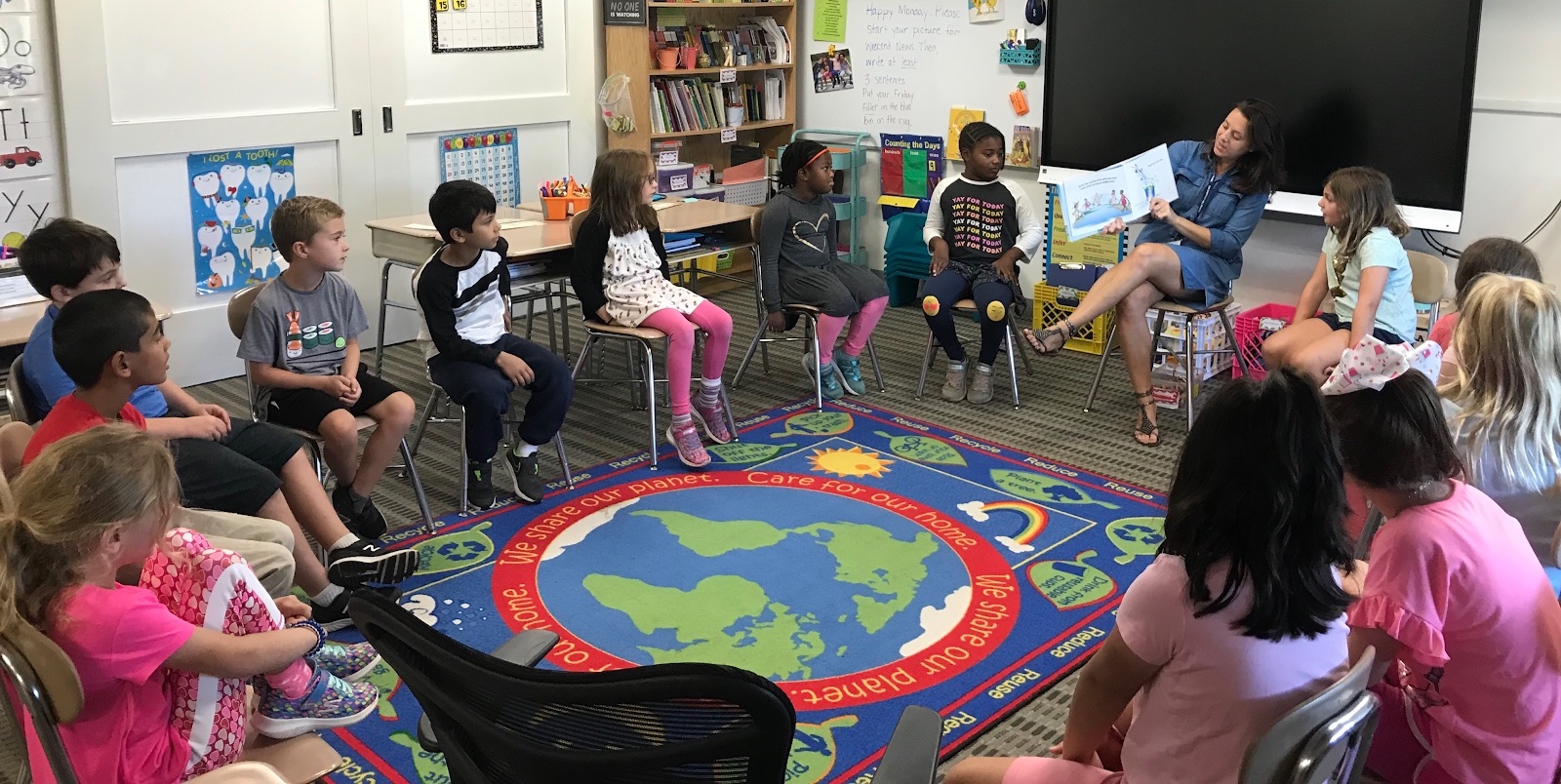
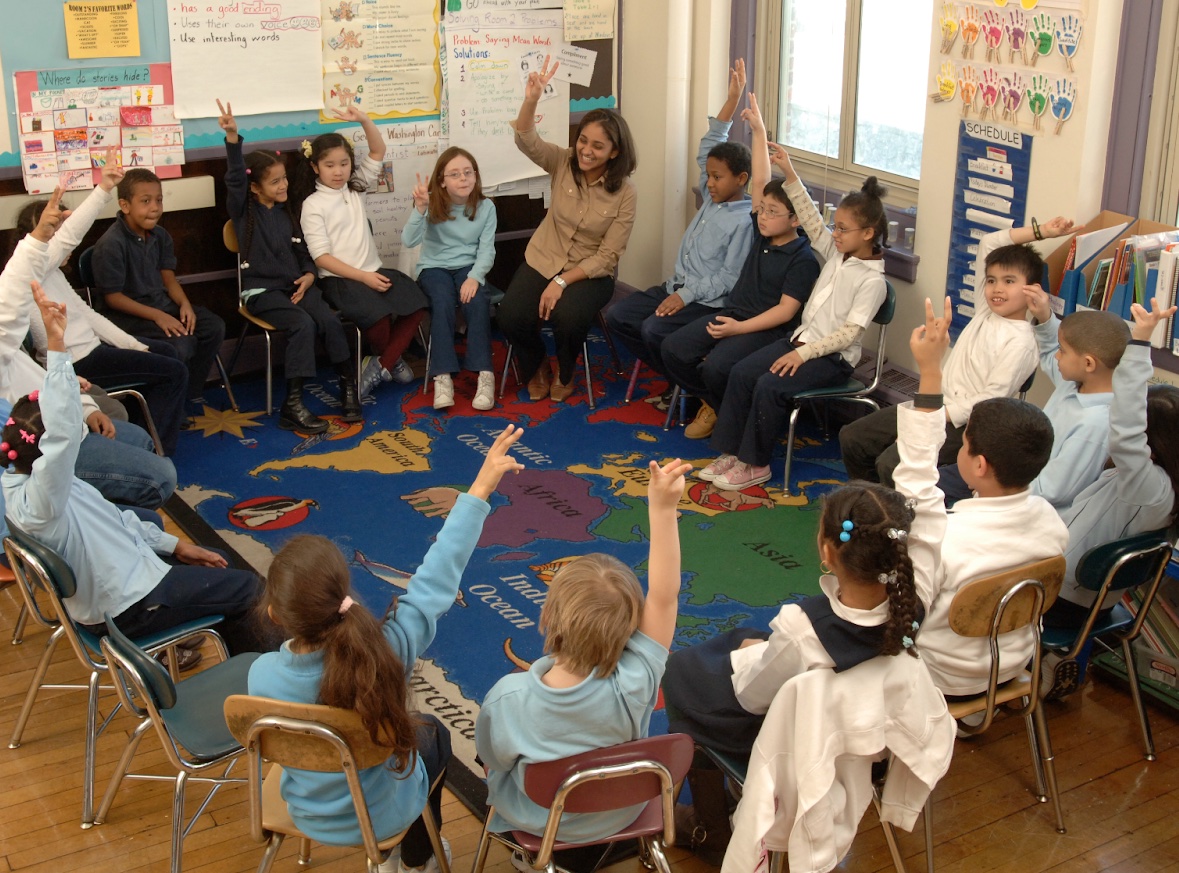
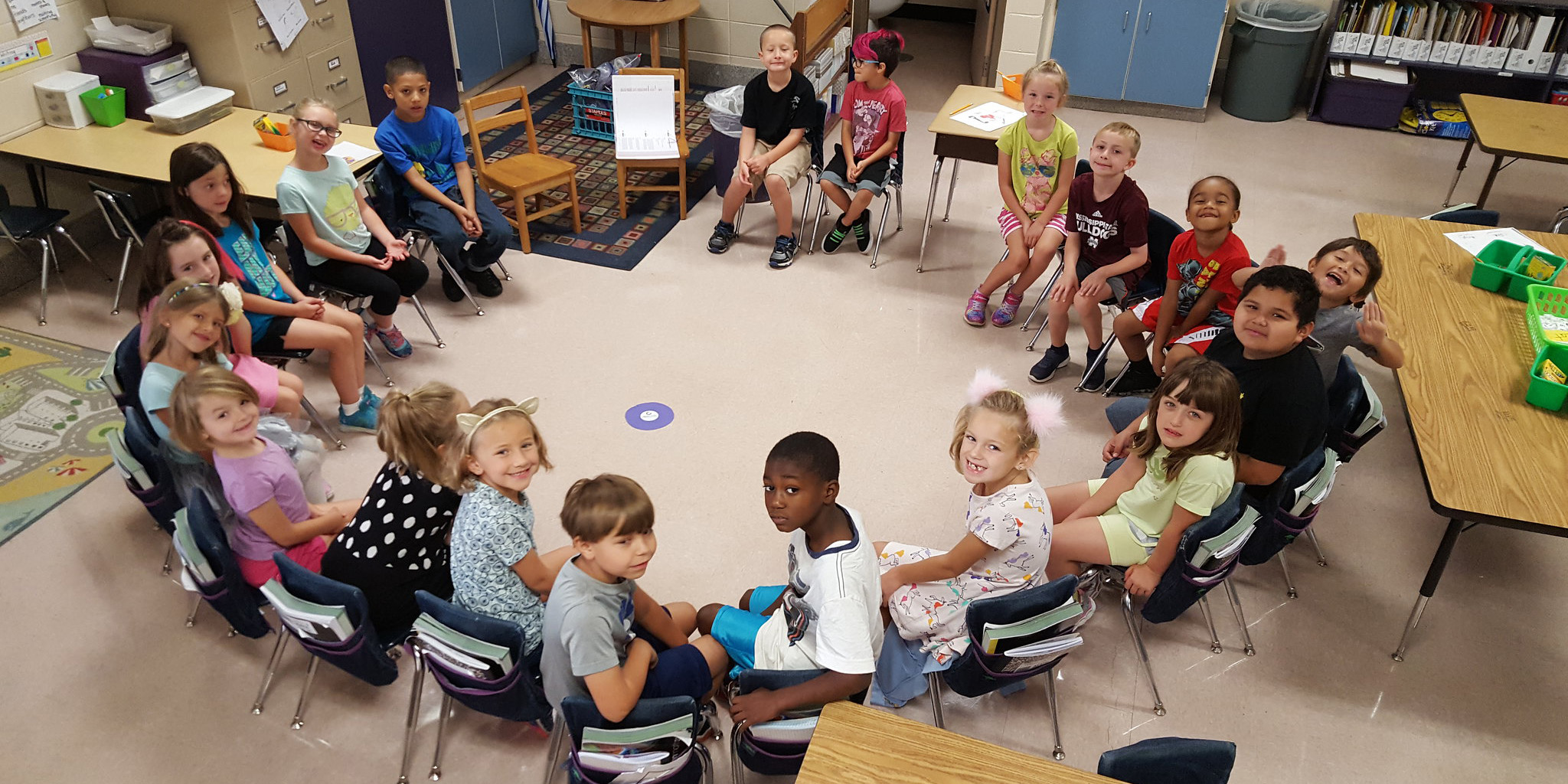
Open Circle is a school-based SEL curriculum built around regular classroom circle meetings. Teachers lead short, repeated lessons on emotion management, relationships, problem-solving, and perspective-taking. The product is not an app children use alone. It is a social routine adults facilitate with them.
Open Circle stands out for developmental impact across multiple literacies. It builds judgment, interpersonal skills. The main growth opportunity: Open Circle is not a broad creativity or curiosity engine.
Strengths & gaps
Strengths
- ● Open Circle is strongest where an SEL curriculum should be strongest: Connection, Self-Regulation, and Judgment. These are not side benefits. They are the point.
- ● The classroom meeting model also matters. Kids are practicing these skills with other humans, not only reading about them.
Gaps
- ○ Open Circle is not a broad creativity or curiosity engine. It can support those capacities, but they are not the main design.
- ○ Agency is meaningful but bounded. Students get voice inside a teacher-led routine rather than full control of goals or direction.
Detailed scores
How Open Circle performs on each of the 9 literacies in our framework.
Doing
— 0 of 3 Strong
Open Circle gives students regular chances to speak, reflect, and think through choices. That is real agency practice. But the structure and goals remain teacher-led.
The curriculum helps children keep going through interpersonal problems and setbacks. It does less with the kind of sustained difficulty that defines the strongest Persistence products.
Perspective-taking and social problem-solving both require flexibility. Open Circle does build that. It just does so in a social-emotional lane rather than a broad learning-to-learn lane.
Thinking
— 1 of 3 Strong
Circle meetings can invite thoughtful questions and new perspectives. But Open Circle is not fundamentally an inquiry curriculum. Curiosity is present, not central.
Students do generate responses in discussions and role-plays. That involves some creativity. The creative space is still tightly scaffolded.
Open Circle explicitly teaches children to think through situations, weigh responses, and solve interpersonal problems. That is strong Judgment work for the target age range.
Being
— 2 of 3 Strong
Connection is one of Open Circle's clearest strengths. The curriculum is built around belonging, perspective-taking, and better relationships inside a real classroom community.
Open Circle directly teaches recognizing emotions and using calming strategies. Few products in the batch do that as explicitly.
Open Circle does connect children's behavior to community and being a contributing person. That matters. Purpose is still less central than connection or self-regulation.
Based on 5 sources
- Product open-circle.org
- Product open-circle.org — open circle meetings
- Product open-circle.org — training
- Product open-circle.org — additional materials
- Product pg.casel.org — open circle
Reviewed by New Literacies
Scored by our research-derived framework · AI-assisted analysis with editorial review · 5 sources reviewed · Our methodology →
Personalization bridge
Not sure what your kid needs most?
Take the quiz to see which literacies matter most for your family, then get practical things to try at home.
Get your family profileExplore more
See other products strong in the same literacies: