
Nintendo Switch
Ages 5-12 · paid · Product · nintendo.com ↗
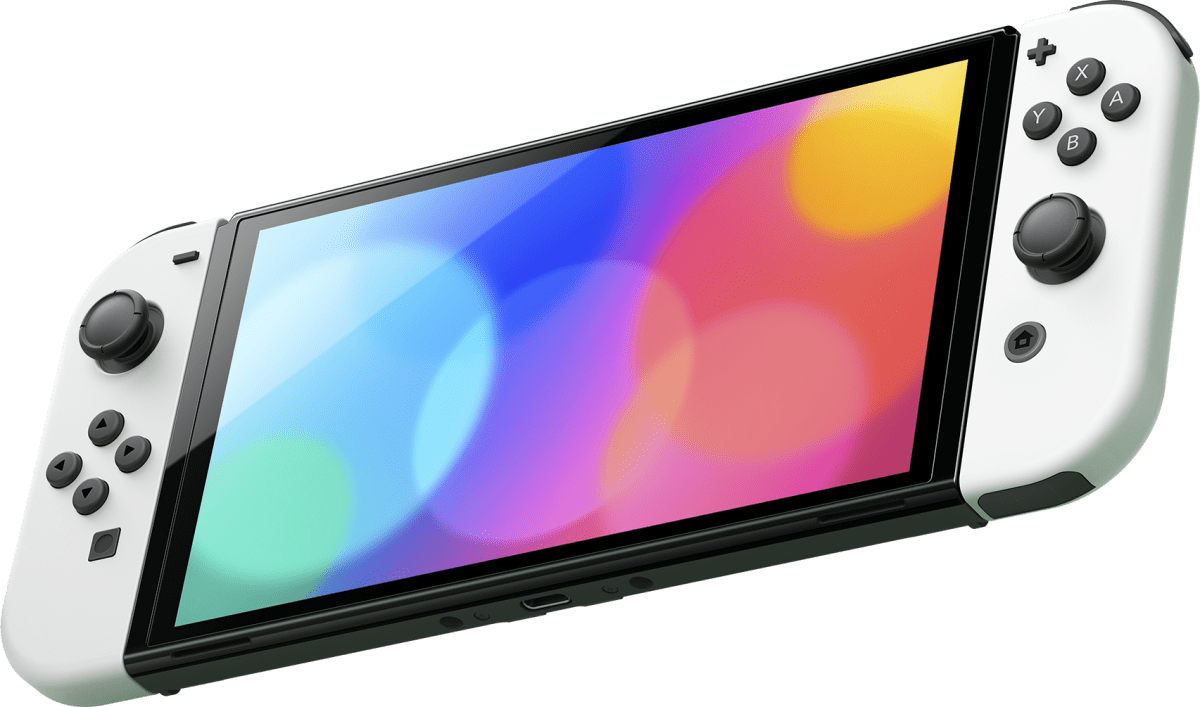
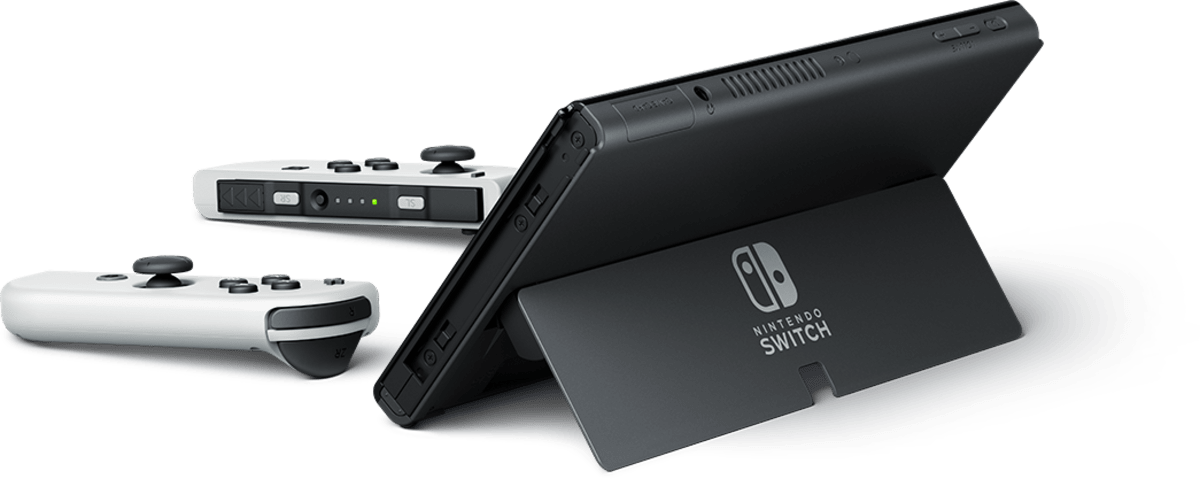
Nintendo Switch is a hybrid game console that works in handheld, tabletop, or TV mode. The hardware includes detachable Joy-Con controllers, easy local multiplayer setups, and a first-party parental-controls app that lets families manage time, spending, communication, and content restrictions. This profile scores the hardware and system layer only, not the whole game library.
Nintendo Switch has focused developmental strength worth knowing about. It builds connection. The main growth opportunity: Most developmental impact depends on the specific games a child plays.
Strengths & gaps
Strengths
- ● Nintendo Switch is strong for Connection at the hardware level. It lowers the friction for siblings, parents, and friends to play together in the same room.
- ● Self-regulation support is better than average because Nintendo's parental-control tools are concrete and easy to use.
Gaps
- ○ Most developmental impact depends on the specific games a child plays. That is why so many capacities are Not Assessed here.
- ○ This is not a weakness in the hardware. It is a scope boundary.
Detailed scores
How Nintendo Switch performs on each of the 9 literacies in our framework.
Doing
— 0 of 3 Strong
The Switch gives kids flexibility in where and how they play. Handheld mode, tabletop mode, and quick local setup reduce friction. But the deeper agency story comes from the games, not the plastic and operating system.
The hardware does not itself create difficult tasks or retry loops. Some Switch games do. Some do not. This package cannot responsibly score Persistence at the hardware layer.
The system is physically flexible, but rubric-level adaptability depends on the experiences running on it. That sits outside this package's scope.
Thinking
— 0 of 3 Strong
Curiosity is entirely game-dependent here. The console can host exploratory worlds, but it does not create inquiry on its own.
Switch can host creative tools and creative games. The hardware itself is not one.
Kids may make choices about what to play or with whom, but that is too indirect to justify a full Judgment score on the console alone.
Being
— 1 of 3 Strong
Connection is where Switch earns its rating. Detachable Joy-Cons, tabletop play, and easy local multiplayer make shared activity simple. The hardware repeatedly nudges play toward being social and in-room.
Nintendo gives parents unusually usable tools. Time limits, software suspension, spending controls, and communication restrictions all help create structure around gaming. That is not the same as teaching self-regulation, but it does materially support it.
Purpose depends on software and family use. The console layer itself does not provide enough evidence to rate it.
Based on 4 sources
Reviewed by New Literacies
Scored by our research-derived framework · AI-assisted analysis with editorial review · 4 sources reviewed · Our methodology →
Personalization bridge
Not sure what your kid needs most?
Take the quiz to see which literacies matter most for your family, then get practical things to try at home.
Get your family profileExplore more
See other products strong in the same literacies: