Night Zookeeper (AI prompts)
Ages 6-12 · paid · AI Product · nightzookeeper.com ↗
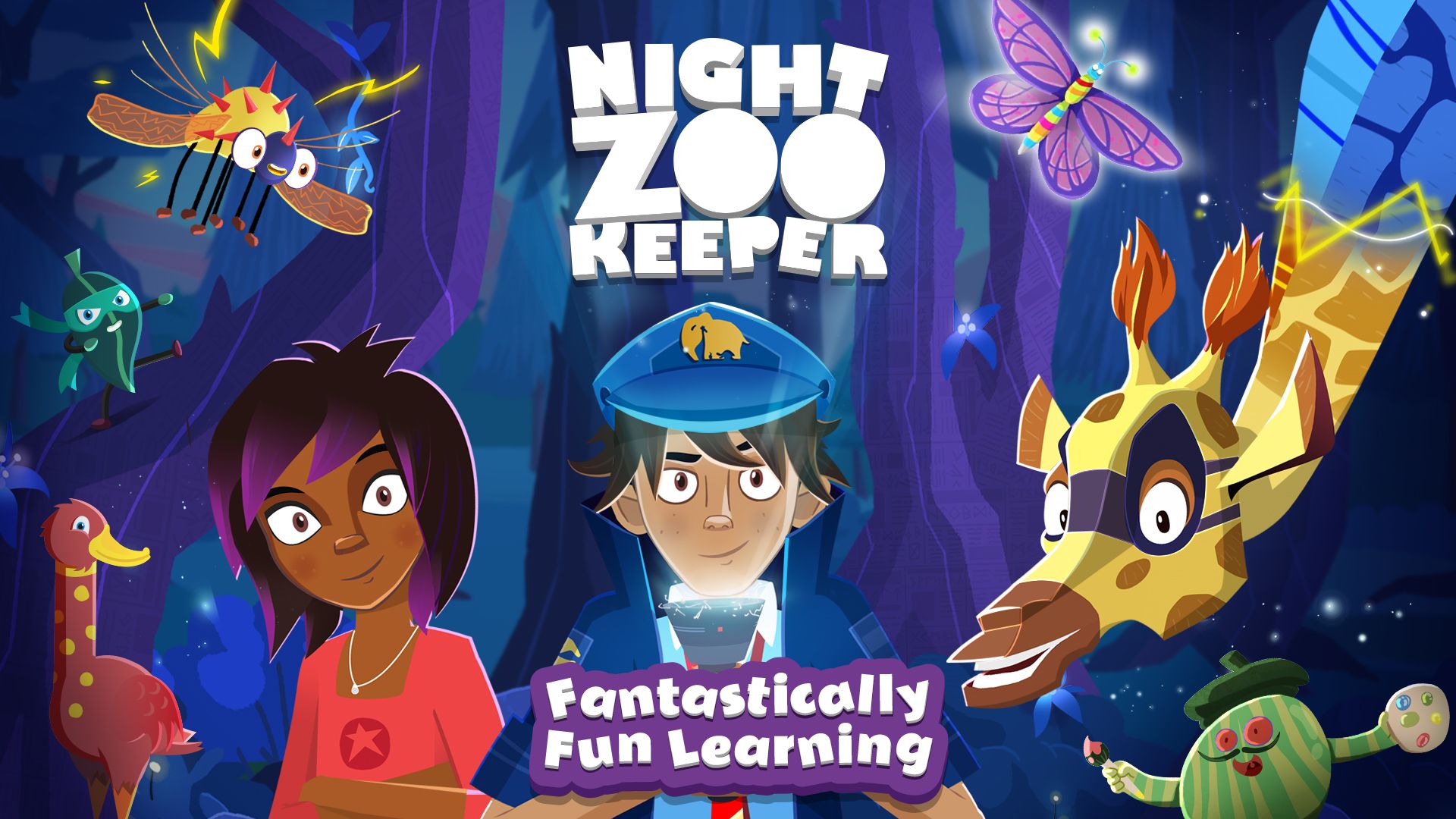
Night Zookeeper is a reading and writing program built around a magical zoo world. Kids invent characters, complete writing prompts and games, and get tutor feedback on their writing. They can also share work with other children and store finished pieces in a personal portfolio. The app is meant to make writing feel like play. A child can start with a prompt, then turn it into a story, report, poem, or class assignment.
Night Zookeeper (AI prompts) stands out for developmental impact across multiple literacies. It builds hands-on skills, creativity, connection. The main growth opportunity: adaptability is present, but mostly within writing. This isn't a broad problem-solving tool.
Full review
The NL Score measures developmental capacity-building, not product quality.
Strengths & gaps
Strengths
- ● Night Zookeeper is strongest for Agency, Persistence, Creativity, and Connection. Kids make things and then share them.
- ● It is built to pull in reluctant writers. The game layer and feedback system keep the work moving.
- ● The writing portfolio gives the child a real audience, which makes the work feel more purposeful.
Gaps
- ○ Adaptability is present, but mostly within writing. This isn't a broad problem-solving tool.
- ○ Self-regulation is supported, not taught. Kids practice staying with the work, but they don't get coping instruction.
- ○ Purpose is mostly audience-based. The app doesn't push deeply into identity or service.
Detailed scores
How Night Zookeeper (AI prompts) performs on each of the 9 literacies in our framework.
Doing
— 2 of 3 Strong
Night Zookeeper gives children real control over what they create. They invent characters, select or respond to prompts, and move through the program at their own pace. The official pages emphasize independent use, which makes the child the driver of the experience.
The app is built to keep kids writing. Lessons, games, rewards, and tutor feedback all pull the child back into the next draft or challenge. Teachers and parents consistently describe it as motivating for reluctant writers. That is persistence by design.
Children write across multiple genres and difficulty levels. They can move from creative stories to reports, poems, or other assignments as the program advances. That requires flexibility, but the core activity is still guided writing. The breadth stays bounded.
Thinking
— 1 of 3 Strong
The Night Zoo gives children a story world to explore. The characters and prompts make the next task feel interesting enough to pull them in. But the app still directs the route through that world. It sparks curiosity without opening much room for free exploration.
This is a strong creative writing environment. Kids invent original characters, write across genres, and build a body of work in a personal portfolio. Common Sense and the official pages both show children drawing, drafting, and making new stories, not just choosing from options. That is real creative production.
Students have to decide what to write, what to keep, and how to revise after feedback. Those are meaningful writing judgments, and the tutor system makes them visible. But the prompts and lesson structure still do a lot of the guiding. Judgment is practiced, not stretched to its limit.
Being
— 1 of 3 Strong
Night Zookeeper is unusually social for a writing program. Children can comment on each other's work, share writing with family or fellow users, and receive personalized feedback from tutors. Common Sense's community reviews also show teachers using it to help students give feedback to one another. That makes Connection a core piece of the product.
The app asks children to keep going independently and respond to feedback. That builds patience and some frustration tolerance, especially for kids who usually resist writing. But it doesn't teach explicit coping strategies or emotion tools. The regulation is built into the workflow, not into instruction.
Night Zookeeper gives the writing a reason to exist outside the prompt. A child can finish work for a portfolio, share it with family, or publish it more broadly. That turns the work into something with an audience. It still doesn't become identity work, so Moderate fits best.
Based on 7 sources
- Review commonsense.org — night zookeeper
- Review commonsense.org — teacher reviews
- Product nightzookeeper.com
- Product nightzookeeper.com — writing
- Product nightzookeeper.com — writing
- Product apps.apple.com — id
- Product nightzookeeper.com — support
Reviewed by New Literacies
Scored by our research-derived framework · AI-assisted analysis with editorial review · 7 sources reviewed · Our methodology →
Get the next guide before it goes live
One email when a new product review ships.
Free. No spam. Unsubscribe anytime.
See other products strong in the same literacies: