
National Geographic Kids Telescope
Ages 8-14 · paid · Product · nationalgeographic.com ↗
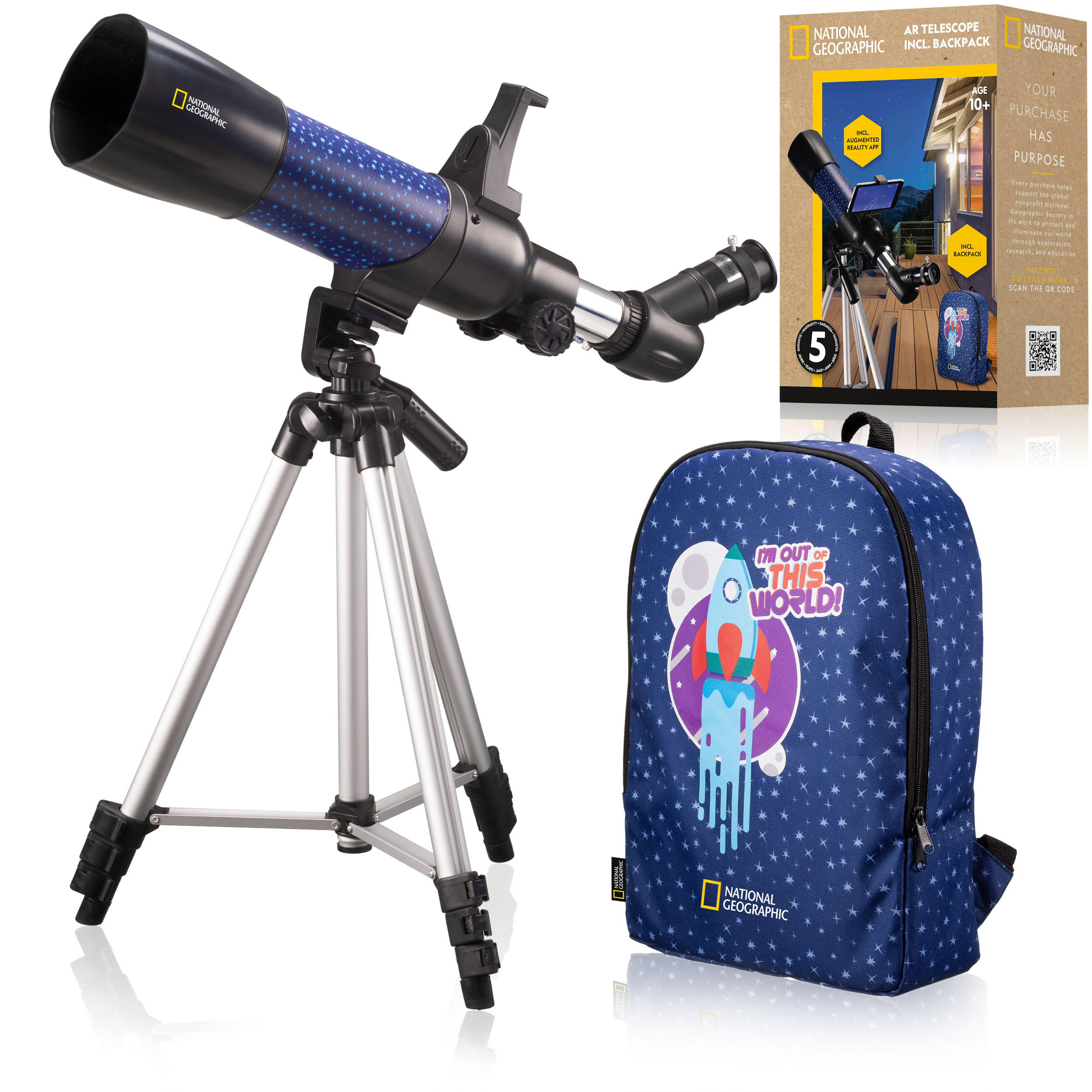
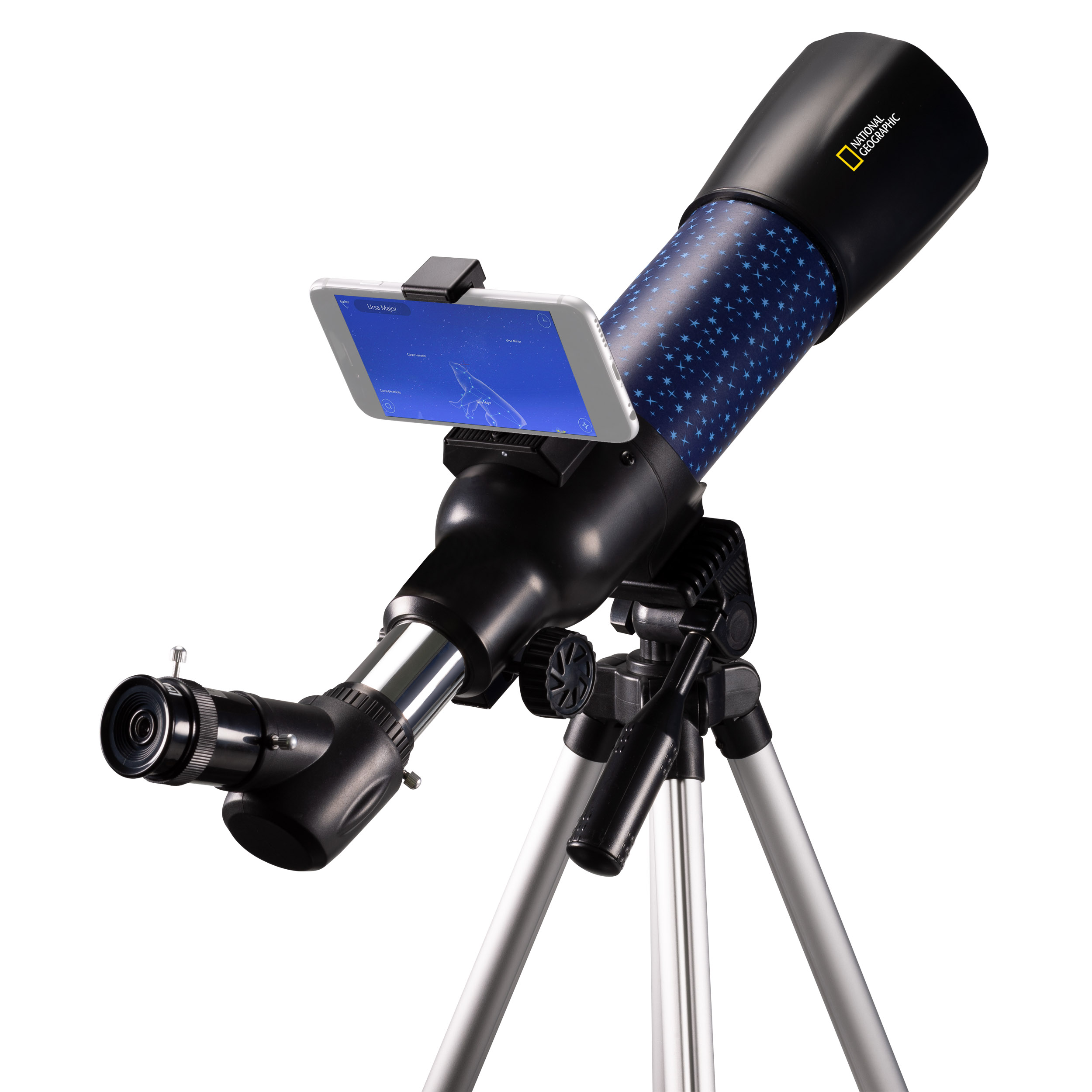
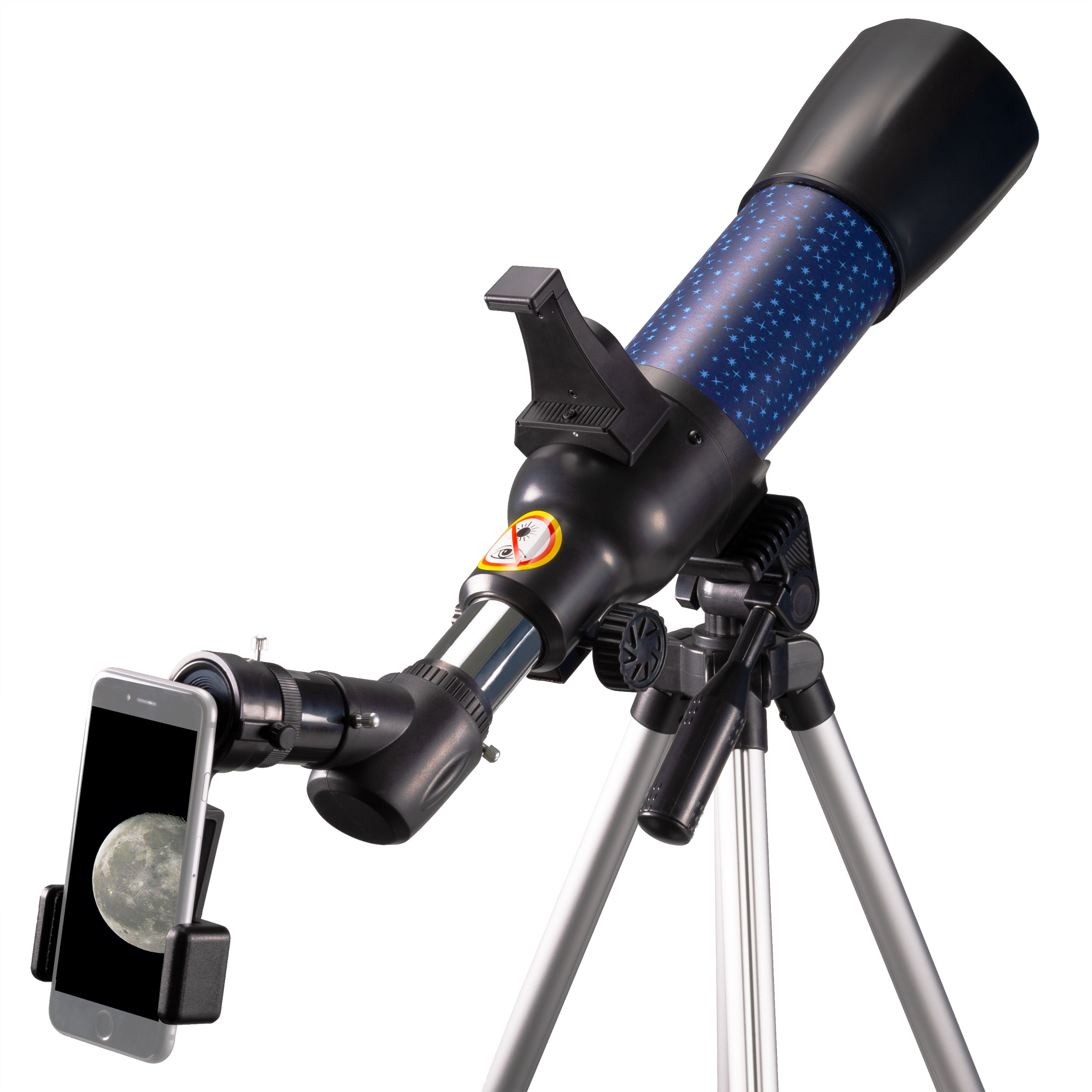
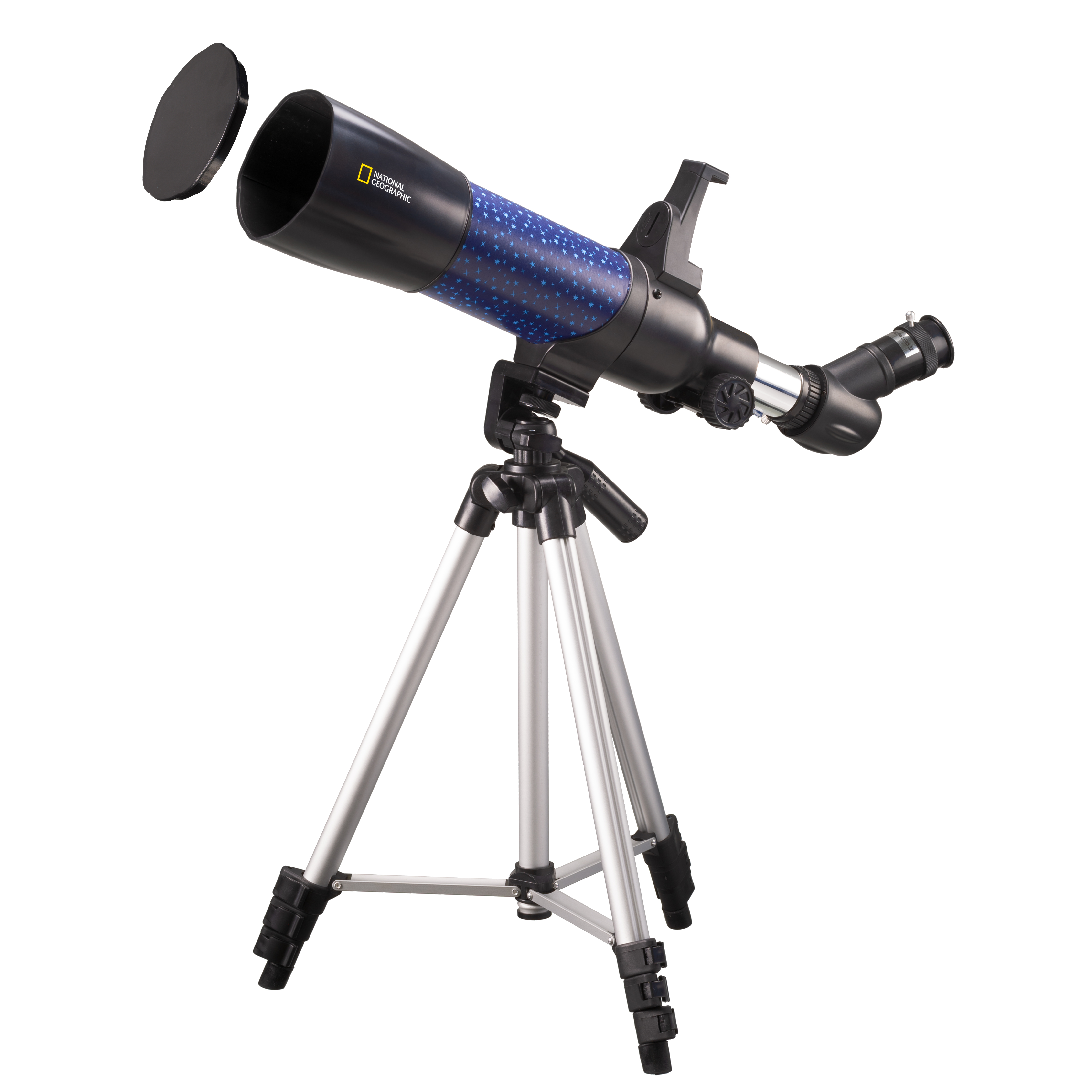
National Geographic Kids Telescope is a beginner stargazing kit for children who want a first look at the moon, bright planets, and basic night-sky objects. A child sets it up, points it, focuses it, and learns through repeated observation rather than through automation.
National Geographic Kids Telescope has focused developmental strength worth knowing about. It builds curiosity. The main growth opportunity: creativity is narrow. The telescope helps a child observe, not design, build, or invent.
Strengths & gaps
Strengths
- ● National Geographic Kids Telescope is strongest for Curiosity. The whole experience starts with a question and usually ends with another one.
- ● It also gives kids a modest dose of Persistence. Beginner astronomy is slow enough that the child has to keep trying to get a rewarding view.
Gaps
- ○ Creativity is narrow. The telescope helps a child observe, not design, build, or invent.
- ○ The evidence base here is thin and spread across the beginner line, so confidence is moderate at best.
Detailed scores
How National Geographic Kids Telescope performs on each of the 9 literacies in our framework.
Doing
— 0 of 3 Strong
The child chooses what to look at and when to keep trying. That matters. But the experience is still bounded by a simple tool and a narrow task.
The first look is often blurry or underwhelming. Kids who stick with focus and alignment get better results. That gives the product some real persistence value.
There is some trial and error in aiming and timing. But the telescope does not ask for broad strategy-switching or transfer across many contexts.
Thinking
— 1 of 3 Strong
This is the clear draw. A beginner telescope creates immediate knowledge gaps and rewards return observation. It invites the child to wonder what is out there and come back to look again.
Observation is the center of the experience. A child might draw what they see afterward, but that creativity is not a built-in feature of the telescope itself.
Kids learn that what they expect to see and what they actually see are not always the same. They adjust based on conditions, focus, and patience.
Being
— 0 of 3 Strong
Stargazing often becomes shared family time. Kids point things out and compare observations. The connection is real, but it comes from the shared context more than the hardware.
The telescope rewards careful handling and emotional steadiness. Frustration is common early, and kids have to manage that to keep going.
The product can spark long-term interest in science. But this evidence does not show a clear path from use to identity, values, or contribution.
Based on 4 sources
Reviewed by New Literacies
Scored by our research-derived framework · AI-assisted analysis with editorial review · 4 sources reviewed · Our methodology →
Get the next guide before it goes live
One email when a new product review ships.
Free. No spam. Unsubscribe anytime.
See other products strong in the same literacies: