
National Geographic Kids Microscope
Ages 6-12 · paid · Product · nationalgeographic.com ↗
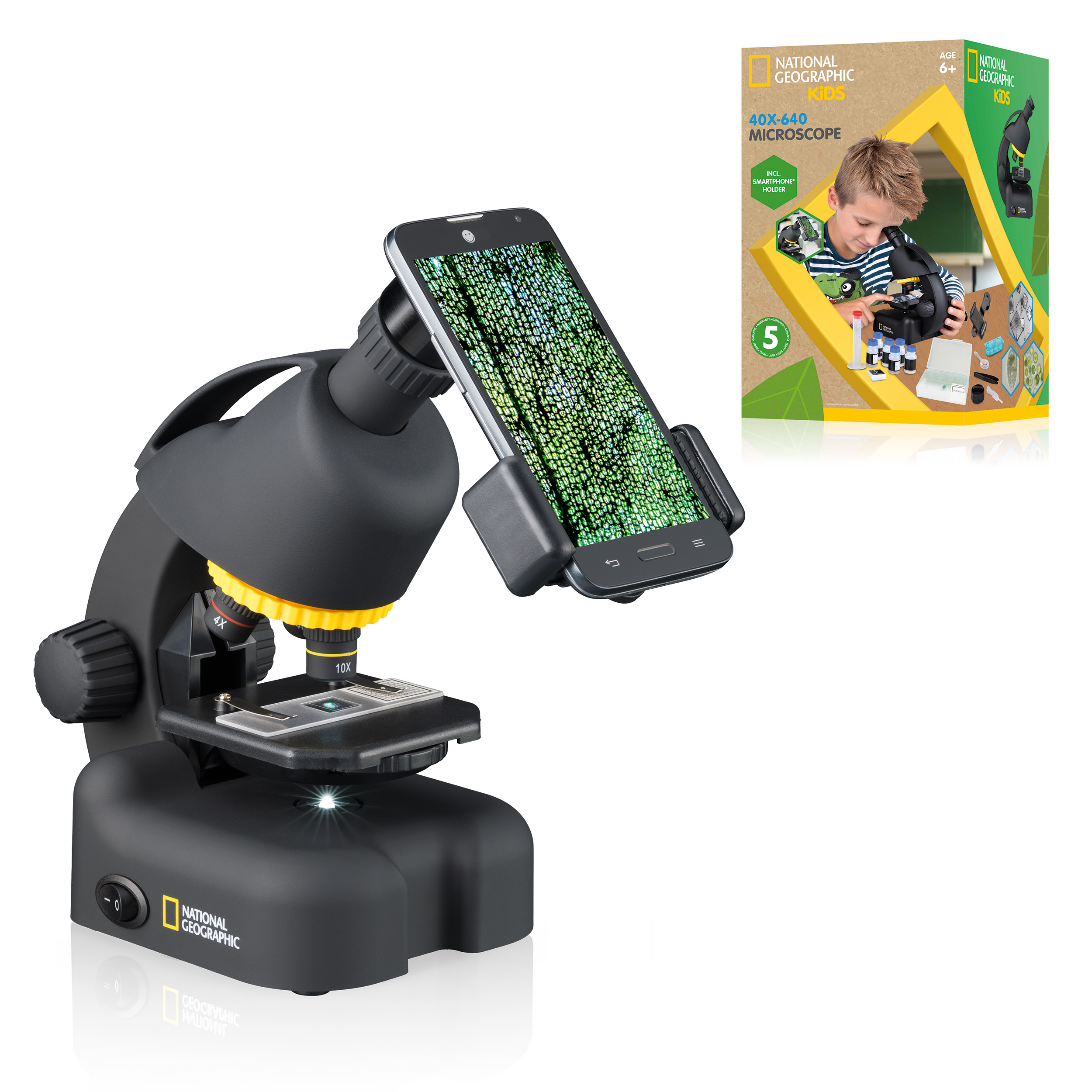
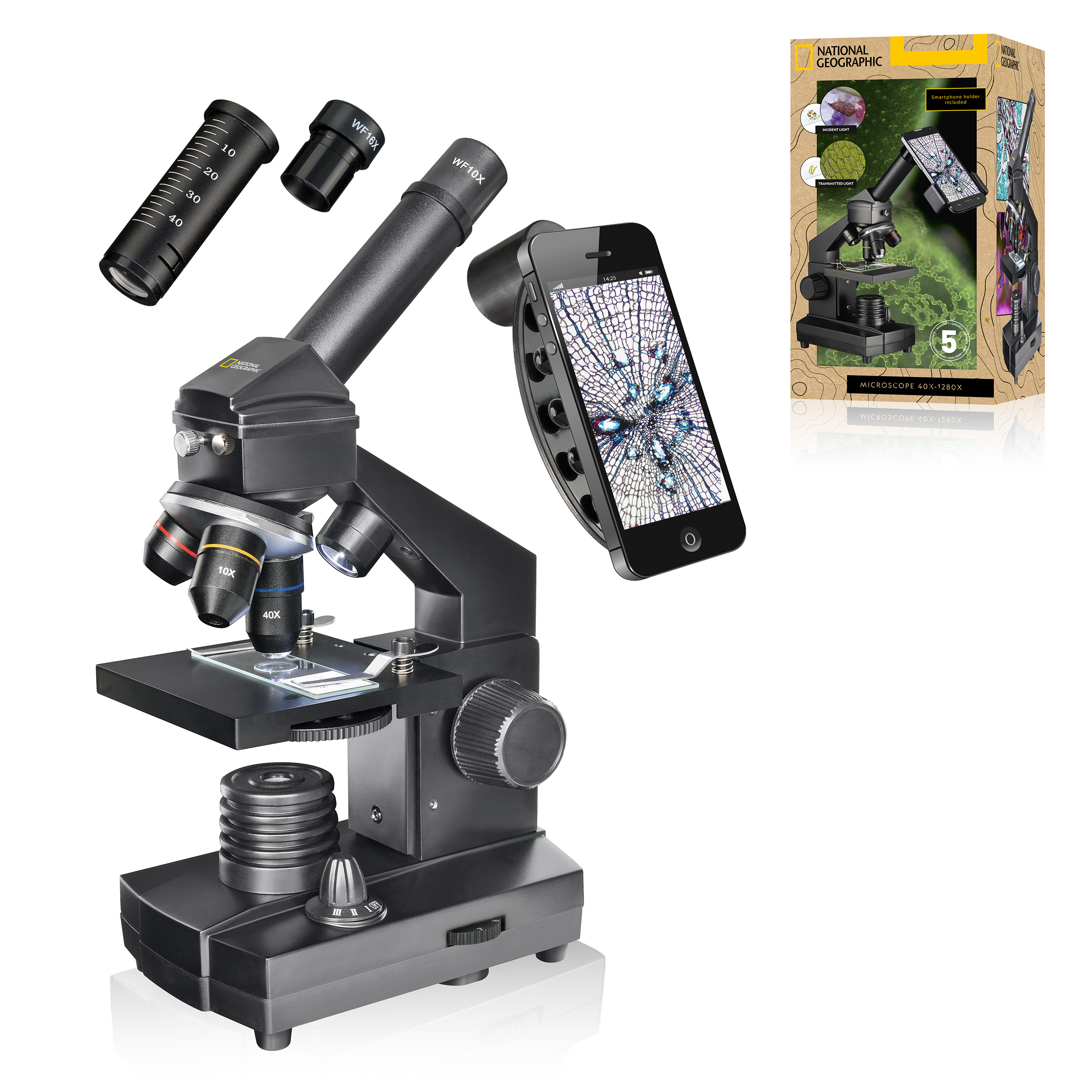
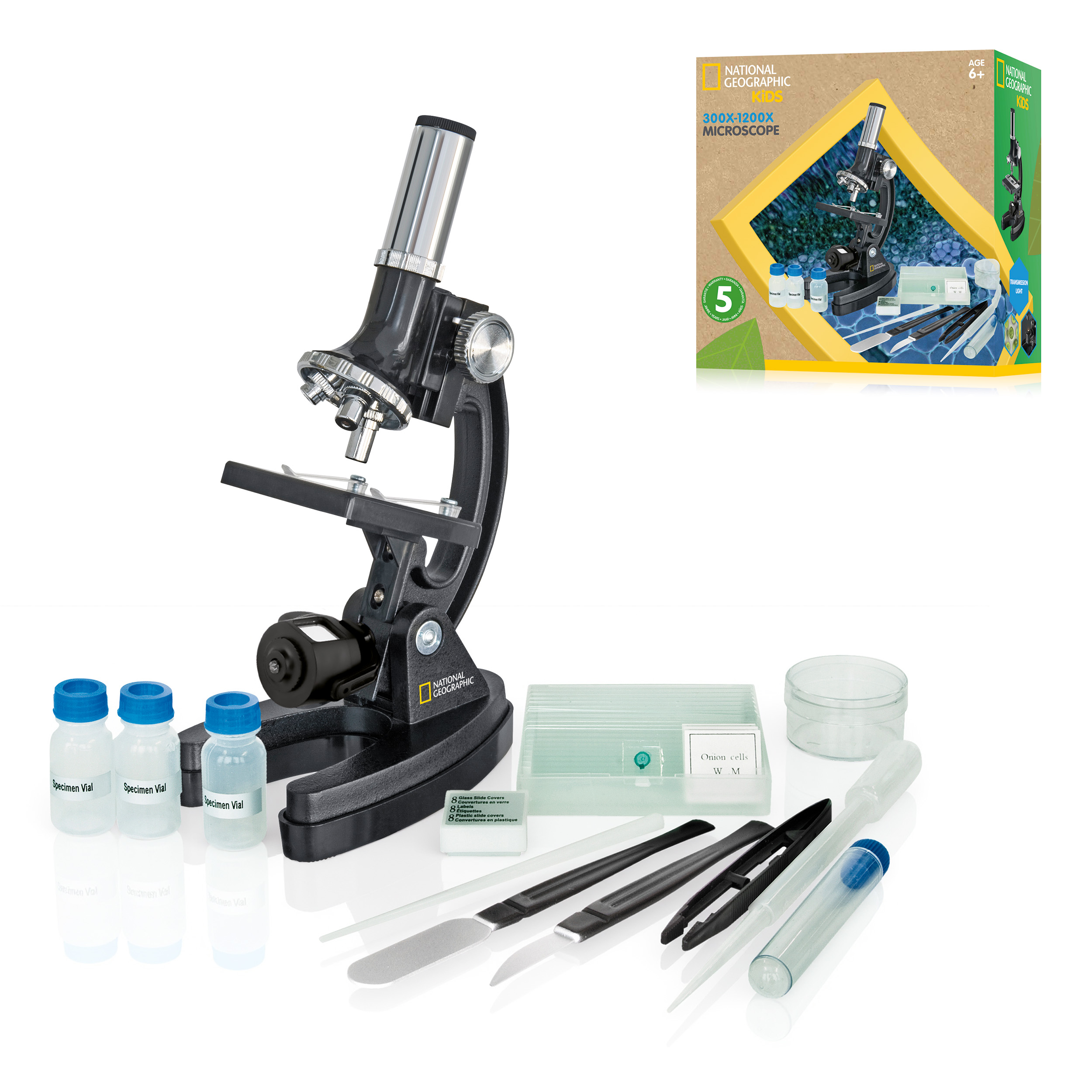
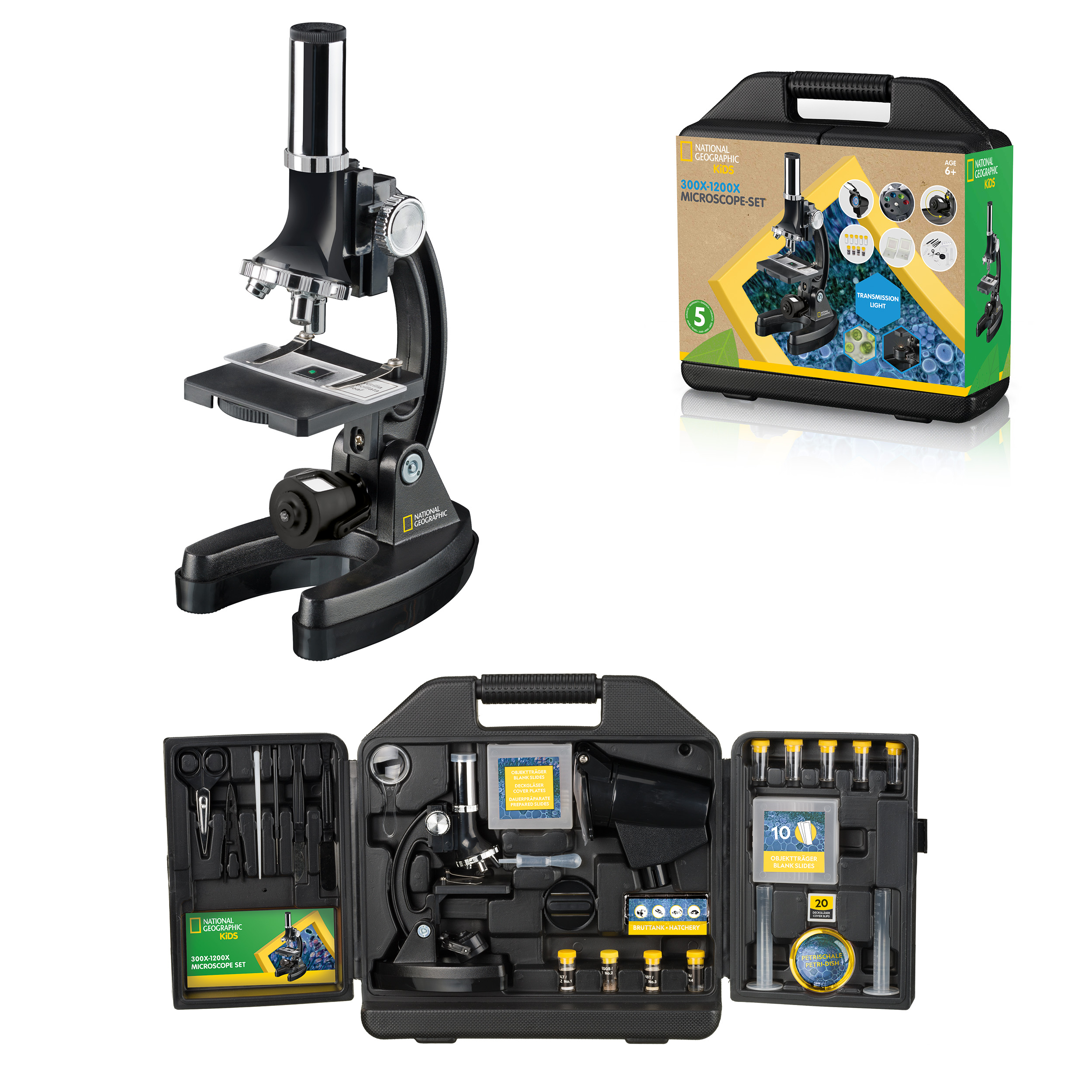
National Geographic's kids microscope kits are beginner science tools for looking closely at prepared slides and found objects from home or outside. Kids set up the microscope, place a sample, focus the lens, and compare what they see. It works best as an invitation to observation rather than a full science curriculum.
National Geographic Kids Microscope has focused developmental strength worth knowing about. It builds curiosity. The main growth opportunity: The microscope does not do much for creativity or connection on its own.
Strengths & gaps
Strengths
- ● National Geographic Kids Microscope is strongest for Curiosity. It gives children a concrete way to ask what is hidden inside ordinary things.
- ● It also supports judgment and patience better than many novelty science toys. The child has to look carefully and make sense of what they see.
Gaps
- ○ The microscope does not do much for creativity or connection on its own. It is an observing tool, not a collaborative making system.
- ○ Purpose also stays light. The product can start an interest, but it does not strongly channel that interest toward contribution.
Detailed scores
How National Geographic Kids Microscope performs on each of the 9 literacies in our framework.
Doing
— 0 of 3 Strong
The microscope gives the child a real tool and real choices about what to look at. That creates more agency than a fixed demonstration toy. But the work still stays inside the observation loop rather than broad project authorship.
Microscopes are not instant-gratification tools. Children often need to refocus, reposition, and try again before they get a useful image. That builds patience, though usually not enough depth for Strong.
Different specimens behave differently under the lens. Some need more light, some less, and some simply are not interesting at first glance. That pushes children to change method and expectation as they go.
Thinking
— 1 of 3 Strong
The microscope creates powerful information gaps. A leaf, insect wing, or bit of fabric can suddenly become strange and interesting under magnification. For ages 6-12, that is a strong curiosity pattern.
The microscope is about seeing more clearly, not making something new. A child can use it creatively around the edges, but creativity is not the core design strength.
The microscope asks children to pay attention to evidence. They compare samples, notice differences, and infer what is happening. That is valuable judgment practice within a narrow observational frame.
Being
— 0 of 3 Strong
The microscope can be shared, and families may enjoy specimen hunting together. But the product itself does not require collaboration or relationship work.
The microscope slows the child down. It asks for care, patience, and gentler handling than many kids' products. That makes self-regulation a real part of the experience.
The microscope can make science feel alive. It usually does not connect that experience to a larger why beyond the pleasure of discovery itself.
Based on 4 sources
- Product nationalgeographic.com
- Product finalcheck.co.uk — kids microscope
- Product amazon.com — s
- Product google.com — search
Reviewed by New Literacies
Scored by our research-derived framework · AI-assisted analysis with editorial review · 4 sources reviewed · Our methodology →
Personalization bridge
Not sure what your kid needs most?
Take the quiz to see which literacies matter most for your family, then get practical things to try at home.
Get your family profileExplore more
See other products strong in the same literacies: