Model United Nations for Kids
Ages 10-18 · varies · Curriculum · unausa.org ↗
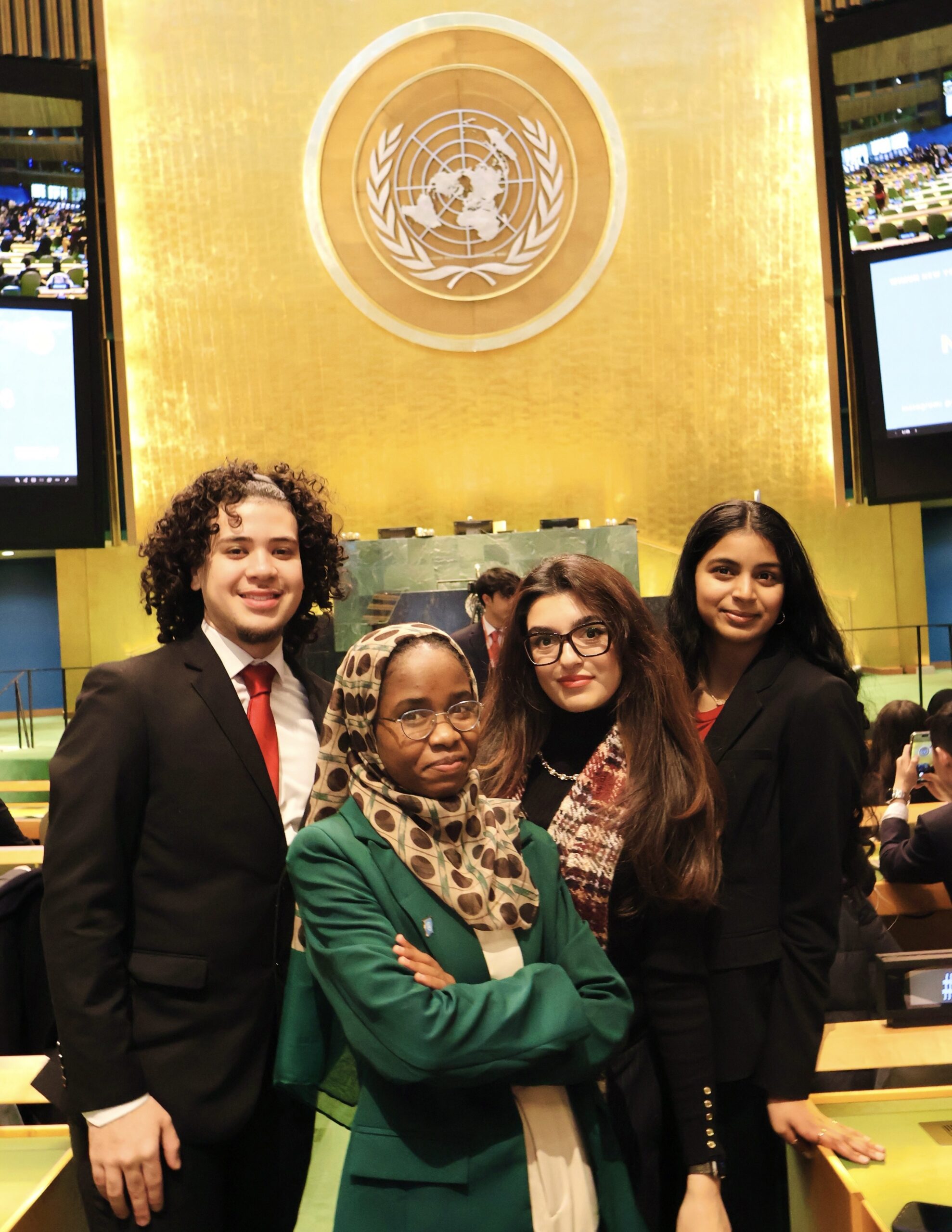
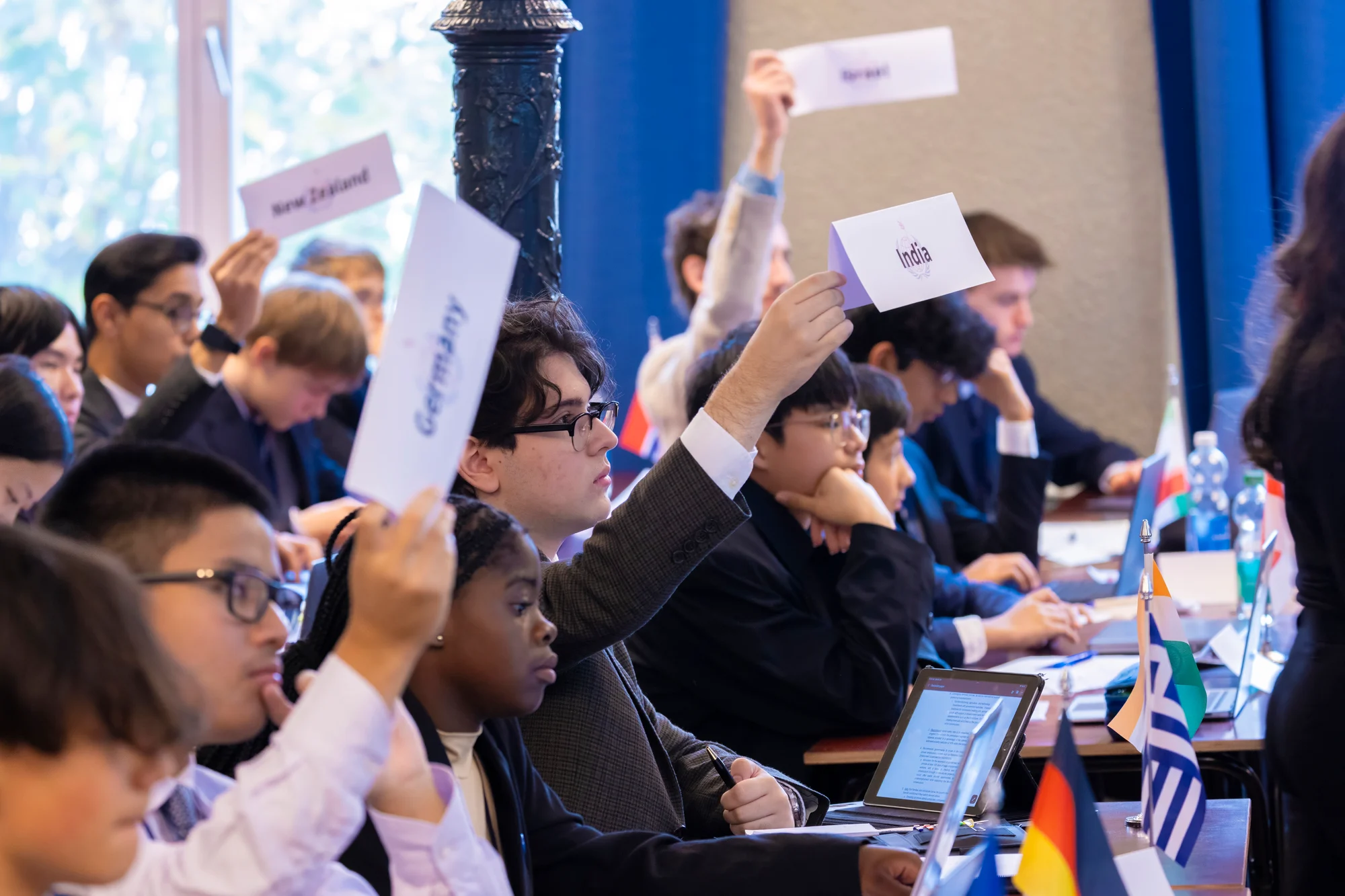
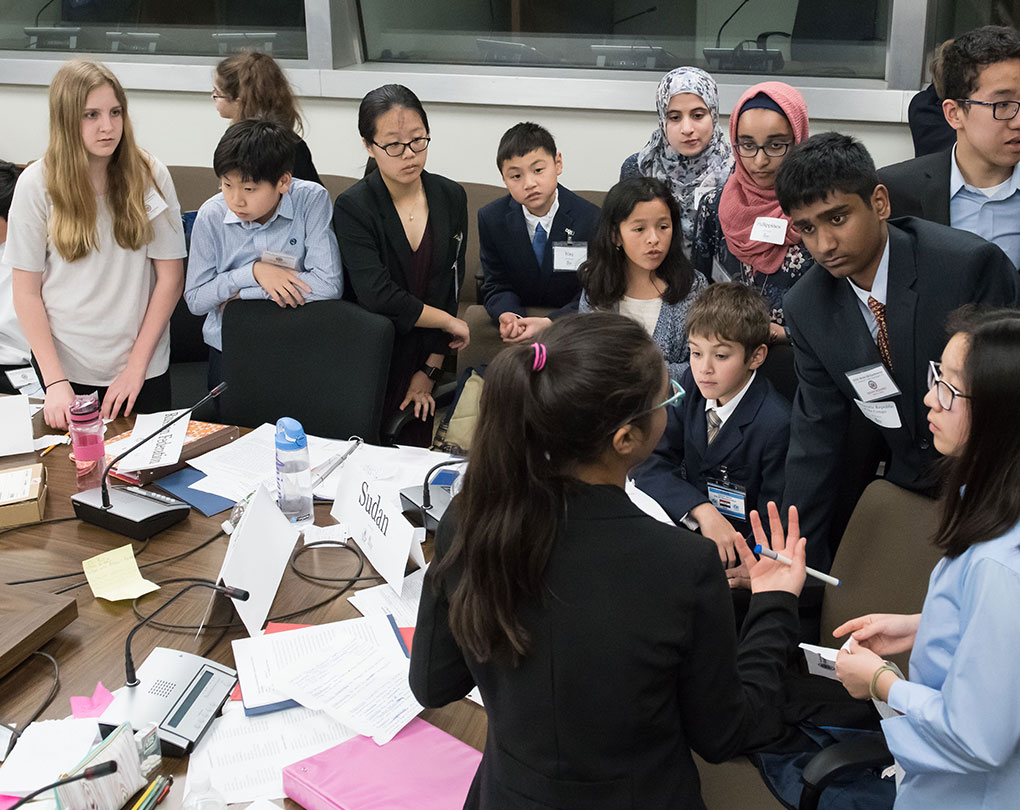
Model UN asks children to represent a country in a simulated international committee. Kids research an issue, prepare a position, speak in formal debate, negotiate with peers, and help draft resolutions under time pressure. The key twist is that they are not arguing as themselves. They are learning to think inside another country's point of view.
Model United Nations for Kids stands out for developmental impact across multiple literacies. It builds adaptability, judgment, interpersonal skills. The main growth opportunity: agency is bounded because roles and agendas come preassigned.
Full review
The NL Score measures developmental capacity-building, not product quality.
Strengths & gaps
Strengths
- ● Model UN is strongest for Adaptability, Judgment, Connection, and Purpose. The child has to think on their feet, weigh tradeoffs, work with others, and stay tied to issues that matter beyond the classroom.
- ● Perspective-taking is one of the most important moves here. Students have to represent a viewpoint they may not personally hold.
Gaps
- ○ Agency is bounded because roles and agendas come preassigned.
- ○ Curiosity is real, but narrower than a fully self-directed research environment.
Detailed scores
How Model United Nations for Kids performs on each of the 9 literacies in our framework.
Doing
— 1 of 3 Strong
Students do real argumentative work in Model UN. But they do it inside a tightly structured role. That gives them meaningful room to act without full ownership of the frame.
Model UN rewards preparation and sustained attention. Students need to show up informed and stay engaged through long sessions. Still, the product is more debate-intensive than revision-intensive, so Persistence lands at Moderate.
Committee is fluid. New alliances form. Amendments appear. A strong opening position may stop working. Kids have to adjust in real time, which makes Adaptability one of the clearest strengths.
Thinking
— 1 of 3 Strong
The best Model UN experiences make children curious about countries, institutions, and issues they never would have researched otherwise. But the inquiry stays bounded by the committee topic, so Curiosity does not fully dominate the profile.
There is creativity in coalition strategy and resolution drafting. But the formality of the simulation keeps that creativity constrained, which makes Moderate the right call.
Judgment is everywhere in Model UN. Students have to decide what matters, what compromise is worth making, and what they can defend on behalf of their assigned country. That is sustained tradeoff thinking under pressure.
Being
— 2 of 3 Strong
The social mechanics are the point. Delegates persuade, negotiate, read the room, and build coalitions. If a child cannot work with other people, they cannot really do Model UN.
Public speaking and formal debate create nerves. So does disagreement. Model UN gives children useful practice managing that pressure, even though it does not explicitly teach the tools.
Purpose is unusually visible here because the subject matter is civic and global by design. Even as a simulation, the child is working on public problems rather than private exercises.
Based on 5 sources
- Product un.org — mun
- Product bestdelegate.com — model un made easy how to get started with model un
- Product ft.com — 0e415c5c e359 4b73 ab6d 4066af11c
- Product unausa.org — model un
- Product un.org — resources
Reviewed by New Literacies
Scored by our research-derived framework · AI-assisted analysis with editorial review · 5 sources reviewed · Our methodology →
Get the next guide before it goes live
One email when a new product review ships.
Free. No spam. Unsubscribe anytime.
See other products strong in the same literacies: