MiniStudio.ai
All ages · freemium · AI Product · ministudio.ai ↗
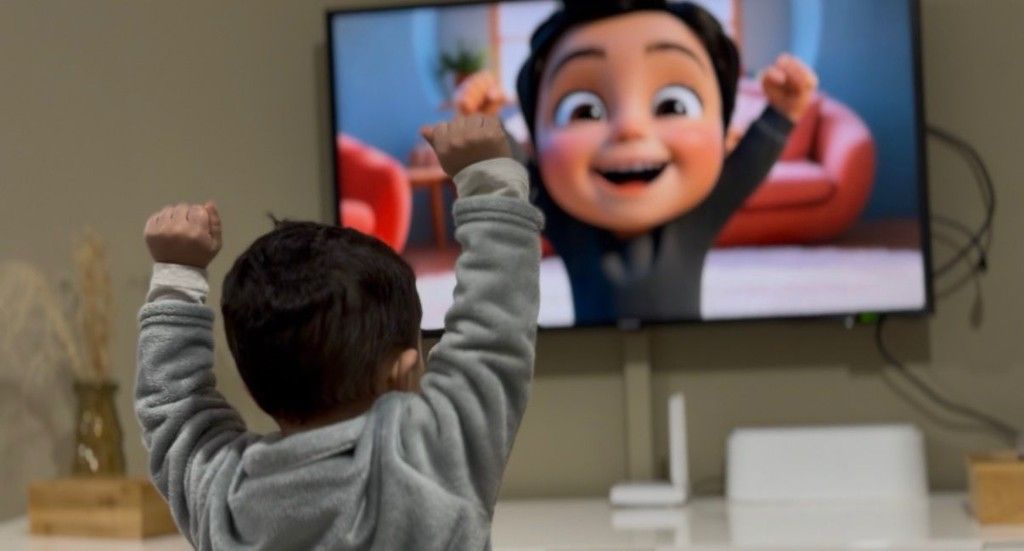

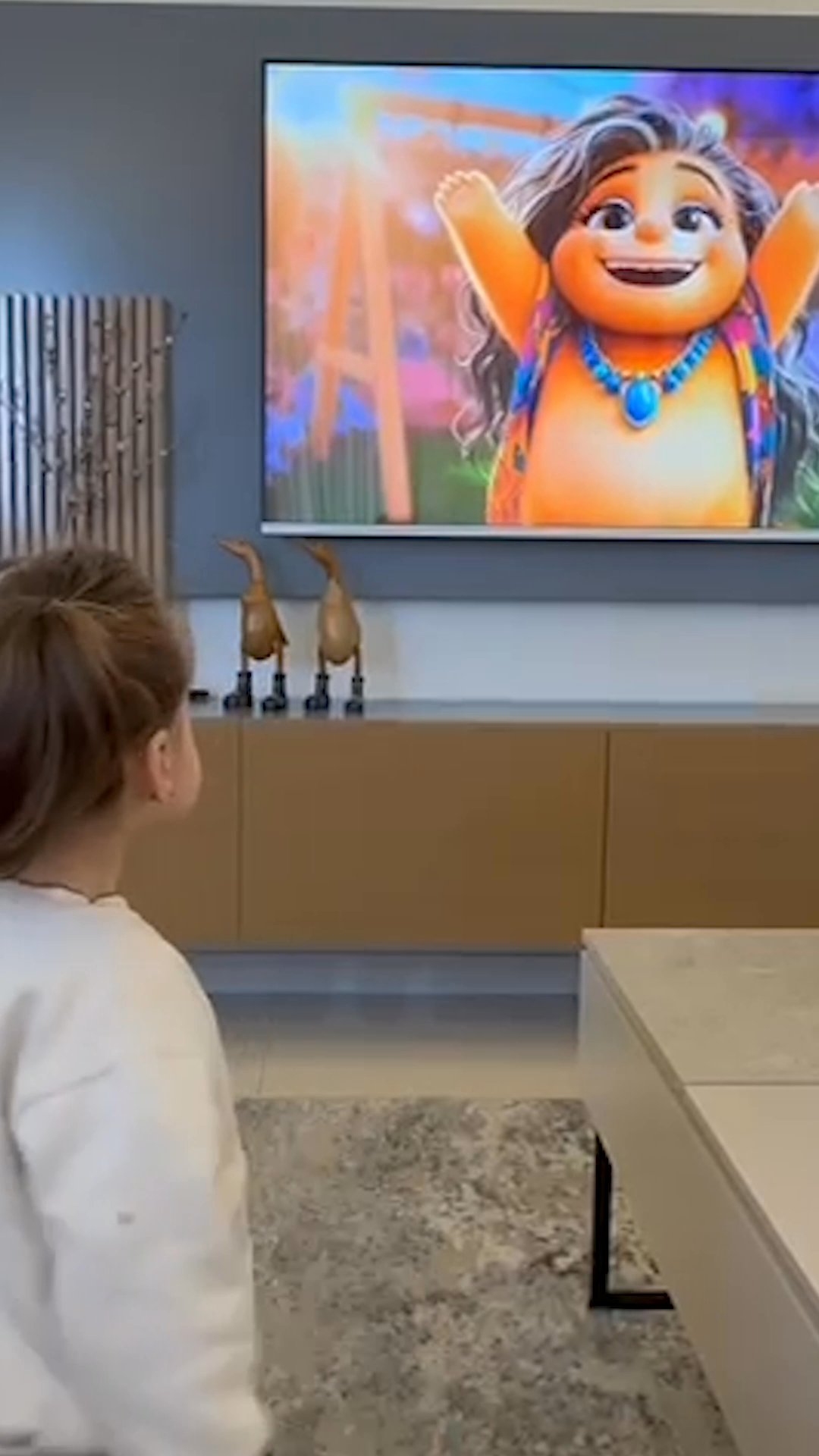
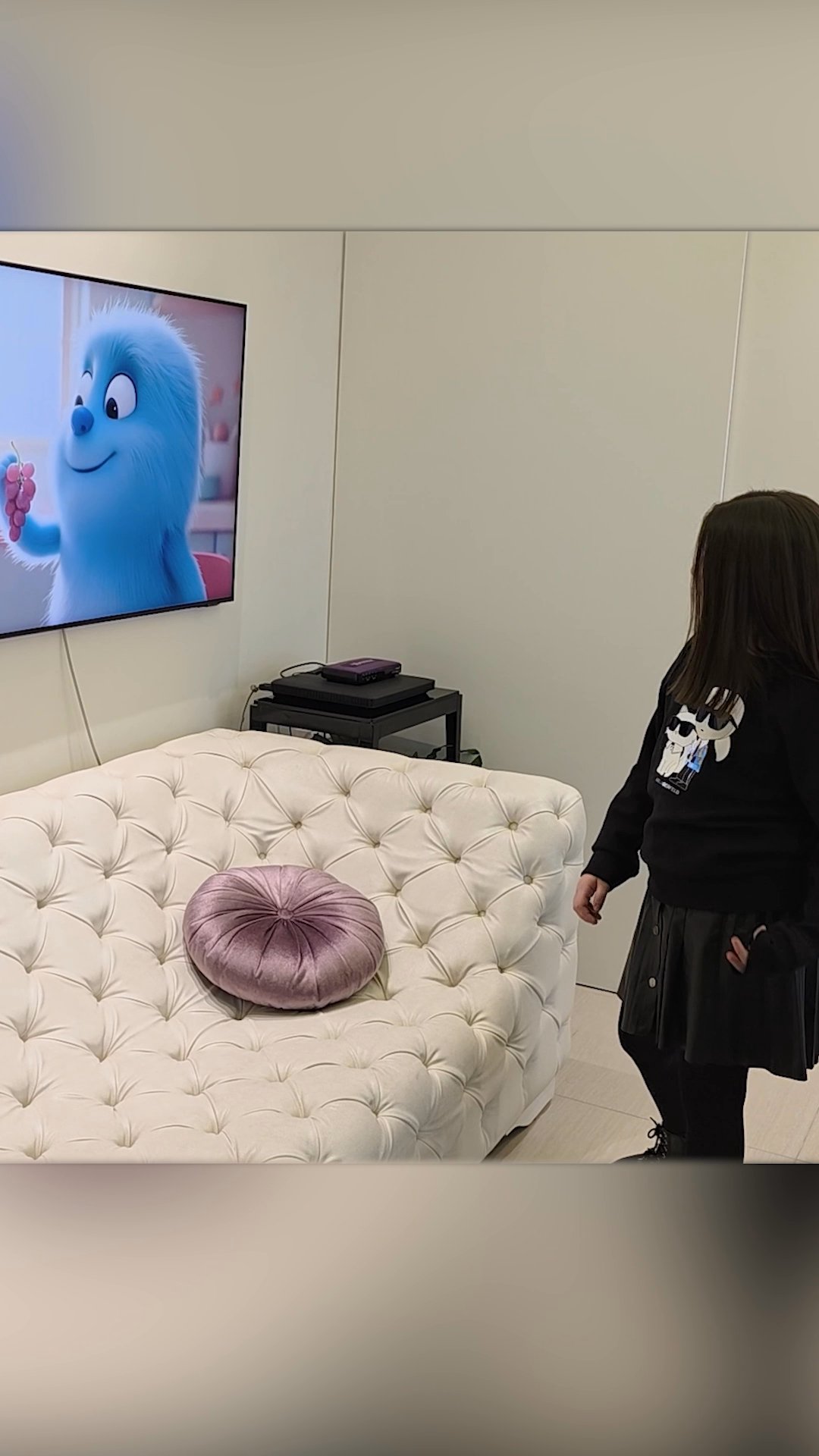
MiniStudio.ai is a family-facing cartoon shop and web app. A parent or child uploads a photo, adds a name or pronouns, picks a theme, and gets a personalized cartoon, song, or soundbook built around that child. The catalog leans hard into courage, empathy, wisdom, confidence, and other emotional-growth themes.
MiniStudio.ai has focused developmental strength worth knowing about. It builds connection. The main growth opportunity: miniStudio does not ask children to persist through difficulty. It is built for quick, pleasant creation.
Strengths & gaps
Strengths
- ● MiniStudio is strongest where families actually use it: shared, emotionally charged moments. The testimonials and brand pages point to bedtime rituals, courage, kindness, and children feeling seen.
- ● The personalization is real enough to matter. A child can become the protagonist, which gives the experience more ownership than a generic story generator.
- ● The catalog has a clear developmental direction. It is trying to support emotional growth, not just entertain.
Gaps
- ○ MiniStudio does not ask children to persist through difficulty. It is built for quick, pleasant creation.
- ○ Curiosity and adaptability stay shallow. The child receives a finished experience instead of exploring a problem space.
- ○ The evidence base is mostly official material. That keeps confidence solid on the product experience, but light on independent validation.
Detailed scores
How MiniStudio.ai performs on each of the 9 literacies in our framework.
Doing
— 0 of 3 Strong
MiniStudio gives families some real control over the inputs. The photo, name, pronouns, and theme matter, and those choices shape the final cartoon or song. But the AI and the story team still do most of the creative labor, so this is bounded agency rather than full authorship.
The design goal is to get to a polished result quickly. The product pages emphasize one-click personalization and fast delivery, not revision or challenge. That makes it a weak fit for persistence.
MiniStudio can produce different stories from different inputs, but that is not the same as asking a child to adapt their approach. There is no clear evidence of strategy-switching, debugging, or meaningful recovery from failure. The system adapts the output for the user instead.
Thinking
— 0 of 3 Strong
The themes can spark a little "what will my version look like?" energy. That is useful. But the finished story comes quickly, so the curiosity loop closes fast and the child does not stay in exploration mode.
There is some genuine creative participation here. The child can become the character and shape the theme, which is more than a passive watch-and-forget media experience. Still, MiniStudio owns most of the composition, so this remains supported creation.
The core workflow does not ask young children to compare sources, evaluate evidence, or weigh competing tradeoffs. Adults make most of the setup choices, and the child receives the finished piece. Under the rubric, that puts Judgment outside the age-appropriate target.
Being
— 1 of 3 Strong
This is the product's most obvious developmental win. The family pages and testimonials describe bedtime rituals, shared stories, and conversations about courage and kindness. MiniStudio is trying to create a feeling of being seen and included, and it seems to do that well.
The emotional themes are not accidental. Several products in the catalog are explicitly about calm, courage, mindfulness, or self-belief, which gives the content a gentle regulation angle. But MiniStudio does not teach coping strategies directly, so the support stays implicit.
The product's "why" is emotional growth and connection, not service or contribution. That matters, but it is not the same thing as purpose in the rubric. For the primary preschool audience, this is outside scope.
Based on 8 sources
- Product app.dealroom.co — mini_studio_ai
- Product cbinsights.com — mini studio
- Product shop.ministudio.ai
- Product fuzzlets.ministudio.ai — about us
- Product shop.ministudio.ai — brave steps
- Product shop.ministudio.ai — the spark within
- Product shop.ministudio.ai — little star
- Product linkedin.com — cyoumna_this cartoon is me and my kids i made it activity 7399913056019001344 ppW
Reviewed by New Literacies
Scored by our research-derived framework · AI-assisted analysis with editorial review · 8 sources reviewed · Our methodology →
Personalization bridge
Not sure what your kid needs most?
Take the quiz to see which literacies matter most for your family, then get practical things to try at home.
Get your family profileExplore more
See other products strong in the same literacies: