
Merlyn Mind (Merlyn)
Ages 5-17 · paid · AI Product · merlyn.org ↗
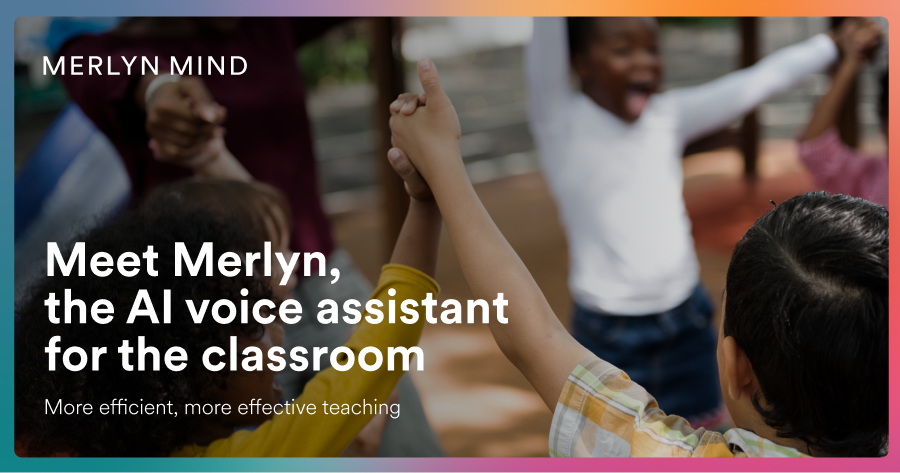
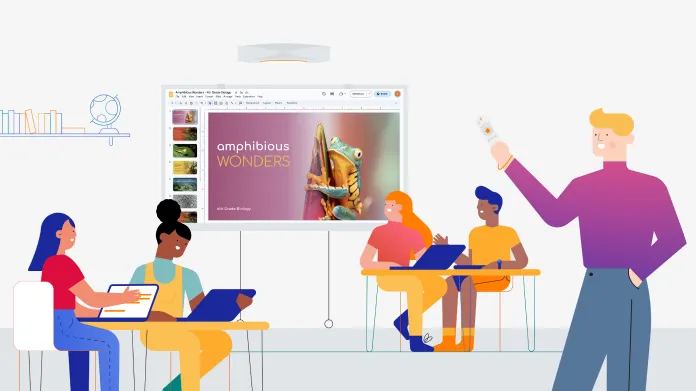

Merlyn is a voice-first classroom assistant for teachers. It lets a teacher control the laptop, front-of-room display, timers, and some AI features from anywhere in the room instead of walking back to a desk. The child does not use Merlyn as a standalone learning app. The developmental question is whether that smoother classroom flow changes what students experience.
We've reviewed Merlyn Mind (Merlyn) against our 9-literacy developmental framework. The main growth opportunity: merlyn is not a direct child product. Most of the developmental effect is indirect.
Full review
The NL Score measures developmental capacity-building, not product quality.
Strengths & gaps
Strengths
- ● Merlyn's strongest case is classroom presence. If a teacher can stay with students instead of being tied to a laptop, the room can become more fluid and relational.
- ● It also supports in-the-moment instructional adjustment. Voice control and AI support can make a lesson easier to redirect, extend, or pace.
Gaps
- ○ Merlyn is not a direct child product. Most of the developmental effect is indirect.
- ○ Public evidence is mostly company and trade-press language, not observed child outcomes.
- ○ Persistence, Creativity, Self-Regulation, and Purpose are not visible enough to score.
Detailed scores
How Merlyn Mind (Merlyn) performs on each of the 9 literacies in our framework.
Doing
— 0 of 3 Strong
Merlyn can make a classroom feel less constrained by devices and transitions. That may help students experience a more responsive teacher. But the product does not itself hand meaningful control to the child.
The public record does not show how students persist through challenge inside Merlyn-supported lessons. Merlyn is mainly a control and workflow layer. That leaves Persistence unscored.
This is one of Merlyn's clearest benefits. Teachers can shift materials, pacing, and tools without interrupting the lesson. That can create a more adaptive classroom experience for students.
Thinking
— 0 of 3 Strong
Merlyn says classroom AI chat can reward curiosity and support higher-order thinking. That is plausible and relevant. But the evidence is still too product-led to justify a stronger call.
Nothing surfaced showing Merlyn as a tool students use to create original work. It is better understood as instructional infrastructure. Creativity stays outside scope.
If Merlyn makes discussion and questioning easier in live instruction, it can support more thinking in the room. But there is not enough direct student evidence to claim deep judgment-building. Moderate is the ceiling here.
Being
— 0 of 3 Strong
Merlyn's best developmental argument is connection. The teacher can stay in motion, stay present, and spend less time managing screens. That can improve the relational texture of a lesson, even if indirectly.
No surfaced source described student pacing, coping, or emotional regulation supports tied to Merlyn. Smooth classroom management is not the same as self-regulation instruction.
Merlyn is about classroom efficiency and instructional flow. It is not framed around identity or contribution. Purpose is not visible in the evidence.
Based on 5 sources
Reviewed by New Literacies
Scored by our research-derived framework · AI-assisted analysis with editorial review · 5 sources reviewed · Our methodology →
Get the next guide before it goes live
One email when a new product review ships.
Free. No spam. Unsubscribe anytime.