MathTango
Ages 5-10 · paid · Product · mathtango.com ↗
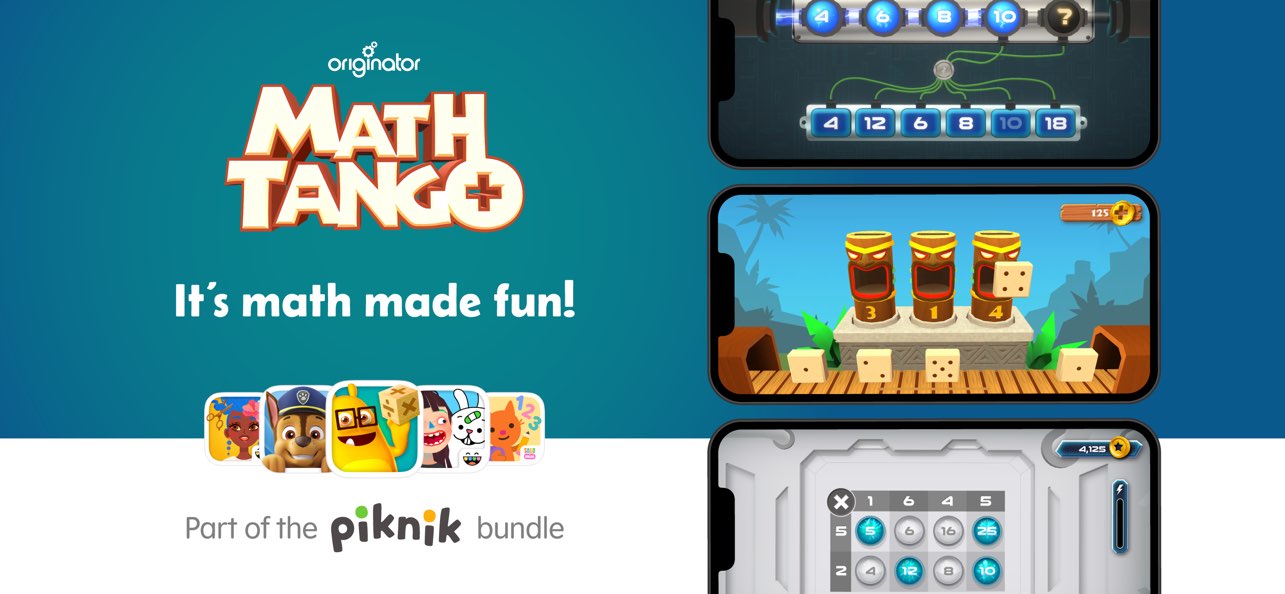

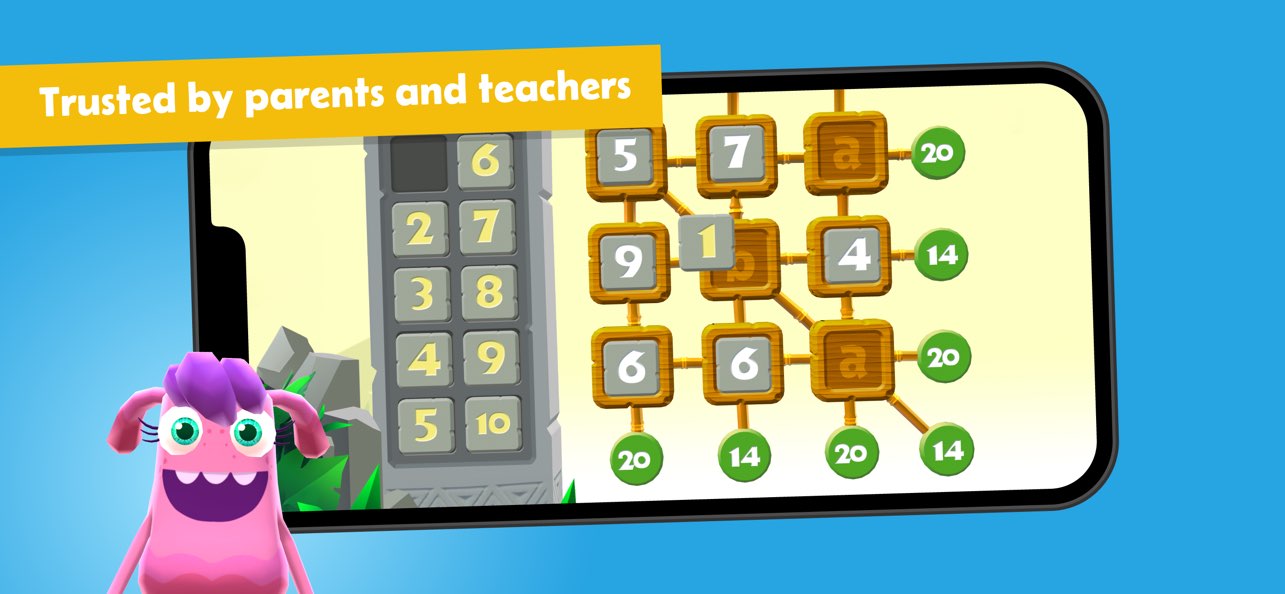
MathTango is an elementary math game where children solve short puzzles, collect monsters, and build themed worlds as they practice addition, subtraction, multiplication, and division. The app wraps a lot of repetitive math inside missions, rewards, and an individualized lesson path. It is polished practice more than conceptual exploration.
We've reviewed MathTango against our 9-literacy developmental framework. The main growth opportunity: mathTango doesn't do much beyond making practice more pleasant. The developmental upside is real but narrow.
Strengths & gaps
Strengths
- ● MathTango is better than a plain drill app at sustaining practice. The mission loop matters.
- ● The experience is accessible and child-friendly. Common Sense highlights its clear visual and audio supports.
Gaps
- ○ MathTango doesn't do much beyond making practice more pleasant. The developmental upside is real but narrow.
- ○ Judgment and creativity stay limited. The child is mostly moving through designed tasks and rewards.
Detailed scores
How MathTango performs on each of the 9 literacies in our framework.
Doing
— 0 of 3 Strong
MathTango lets children act directly in the game and move at their own pace. But the goals and sequence are still prebuilt.
The monster and mission systems can keep a child practicing longer than a worksheet would. That is useful. The effort is also heavily scaffolded by rewards.
MathTango offers many short puzzle types. The strategic demands, though, remain fairly light and tightly guided.
Thinking
— 0 of 3 Strong
The game world gives the app some exploratory energy. Kids are not just answering facts. Still, curiosity is serving the practice loop, not driving the design.
There is some playful customization, but the child is not making something original in a meaningful way.
MathTango is mainly about practicing foundational skills. Deep evaluative reasoning is not the center of the experience.
Being
— 0 of 3 Strong
MathTango is built as a single-player app. Any conversation or collaboration would come from outside the product.
Children do practice staying with repeated tasks and delayed rewards. But the app provides so much structure that self-regulation remains a secondary benefit.
The motivation here is progress, rewards, and confidence. The product does not strongly connect the work to larger meaning.
Based on 4 sources
- Review commonsensemedia.org — mathtango
- Review commonsensemedia.org — adult
- Product apps.apple.com — id
- Product play.google.com — MathTango_Grades_K_5_Learning
Reviewed by New Literacies
Scored by our research-derived framework · AI-assisted analysis with editorial review · 4 sources reviewed · Our methodology →
Get the next guide before it goes live
One email when a new product review ships.
Free. No spam. Unsubscribe anytime.