
Mathletics
Ages 5-16 · paid · Curriculum · mathletics.com ↗
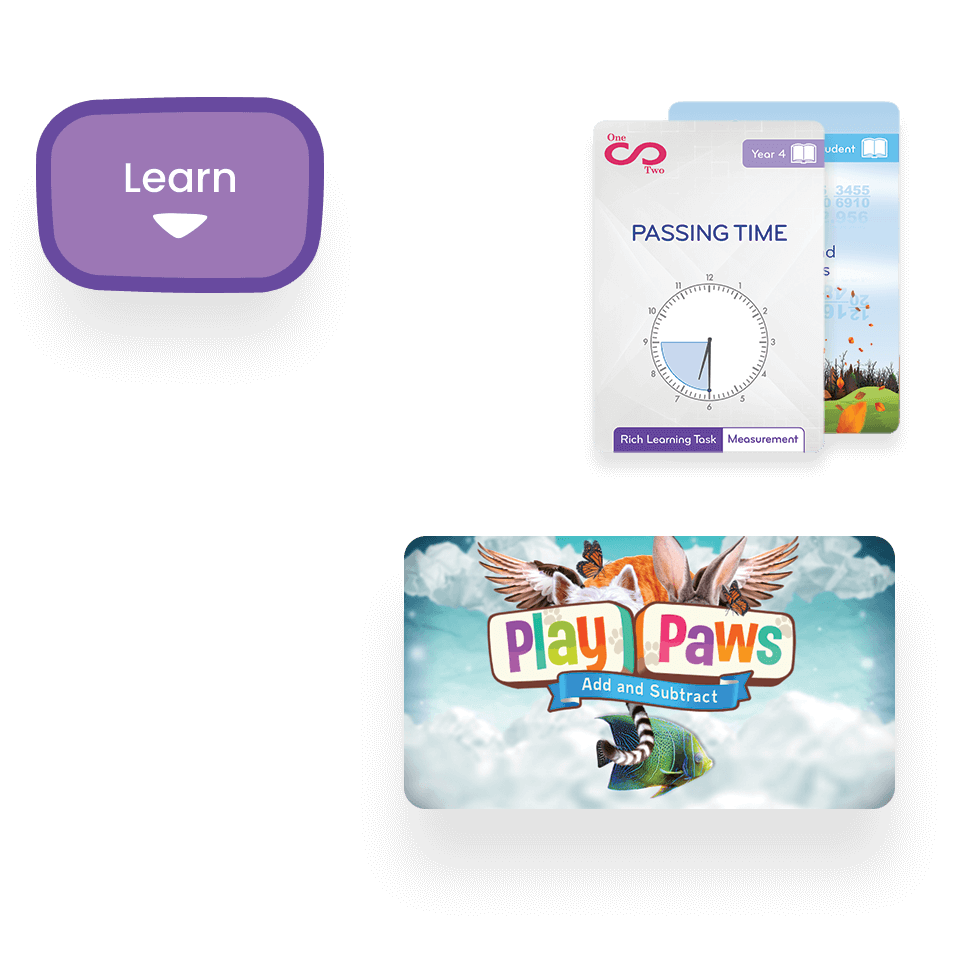

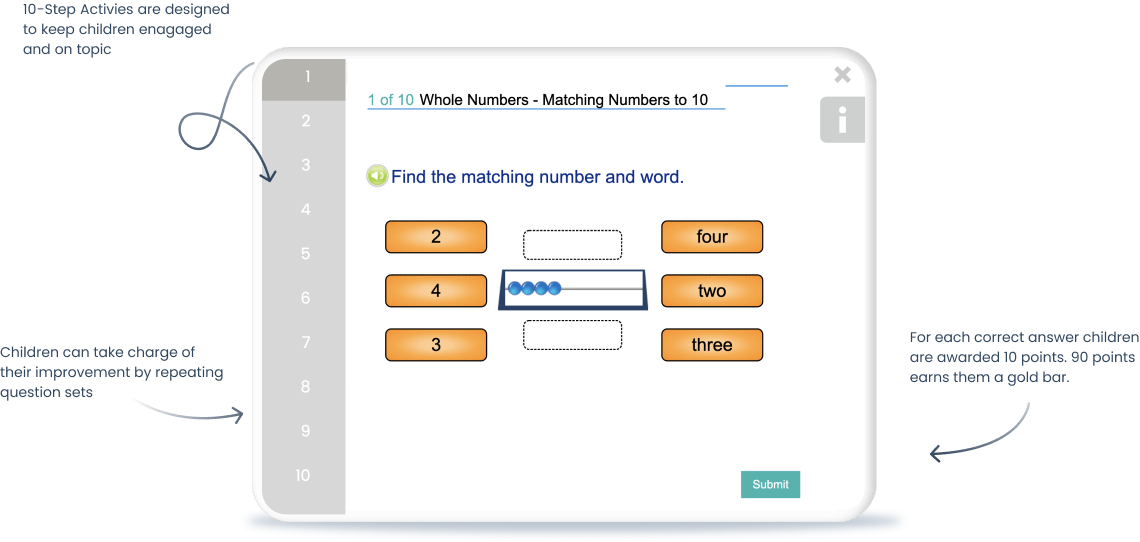
Mathletics is a curriculum-aligned math platform with practice sets, videos, interactives, reporting tools, and live fluency competitions. Kids usually work through assigned or self-selected activities, earn points and certificates, and sometimes face off against classmates or students elsewhere. It sits somewhere between workbook replacement and light educational game.
We've reviewed Mathletics against our 9-literacy developmental framework. The main growth opportunity: Much of Mathletics is still repetitive fluency practice.
Strengths & gaps
Strengths
- ● Mathletics does more than plain drill. Its mix of interactives, videos, and teacher tools gives it some real Adaptability and Judgment signals.
- ● The platform is also good at keeping math work moving. Points, challenges, and visible progress help many children stay engaged.
Gaps
- ○ Much of Mathletics is still repetitive fluency practice. That keeps Persistence, Curiosity, and Adaptability in Moderate rather than Strong.
- ○ Connection, creativity, and purpose are weak or absent. The child is mostly practicing the platform's tasks for the platform's rewards.
Detailed scores
How Mathletics performs on each of the 9 literacies in our framework.
Doing
— 0 of 3 Strong
Mathletics gives children some room to move at their own pace and choose from available work. But most of the meaningful goals are still teacher-assigned or system-set.
Mathletics can keep kids practicing. Live challenges and points help. But much of that persistence comes from incentive design rather than deep, productive struggle.
The interactives create some variety, and that matters. Still, Mathletics is not strongly adaptive, and the dominant pattern remains repeated practice.
Thinking
— 0 of 3 Strong
There are moments where applets and visual tools can make math more interesting. But the overall product is not built around exploration. Curiosity is secondary.
Mathletics does not ask children to make something new. They practice, answer, and compete.
Some items ask for explanation and problem-solving. Most of the time, though, students are still working inside a narrow correct/incorrect frame.
Being
— 0 of 3 Strong
Competing with classmates or strangers is not the same as building relationship skills. Connection is not a meaningful part of the design.
Mathletics asks children to manage repetition, frustration, and performance signals. It does not explicitly help them do that better.
The work is mostly about getting better at math and earning rewards. It does not strongly connect to values, identity, or contribution.
Based on 5 sources
- Review commonsense.org — mathletics
- Review commonsense.org —
- Review commonsense.org —
- Product mathletics.com
- Product mathletics.com — pricing
Reviewed by New Literacies
Scored by our research-derived framework · AI-assisted analysis with editorial review · 5 sources reviewed · Our methodology →
Get the next guide before it goes live
One email when a new product review ships.
Free. No spam. Unsubscribe anytime.