Loona (KEYi Tech)
Ages 5+ · paid · AI Product · us.keyirobot.com ↗
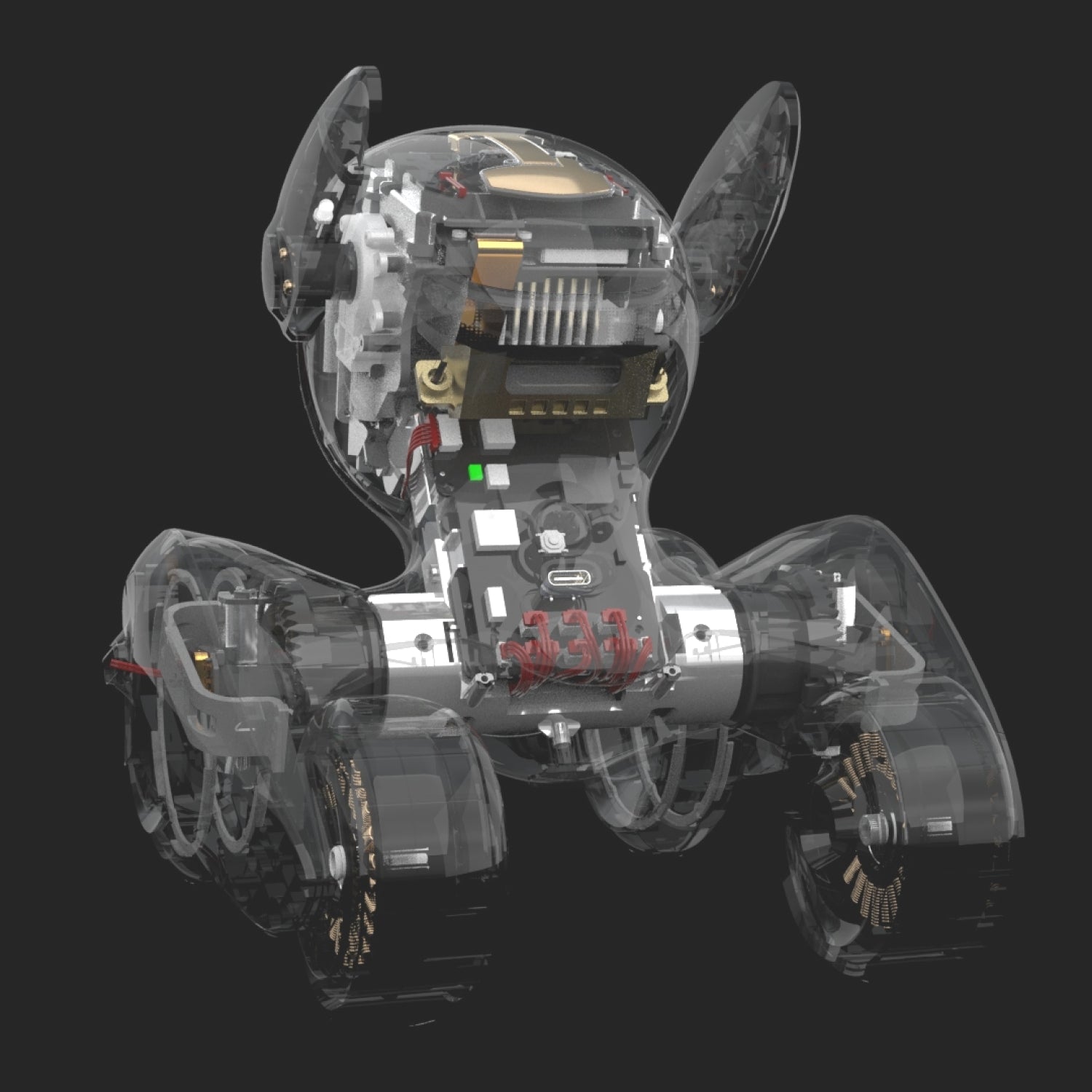
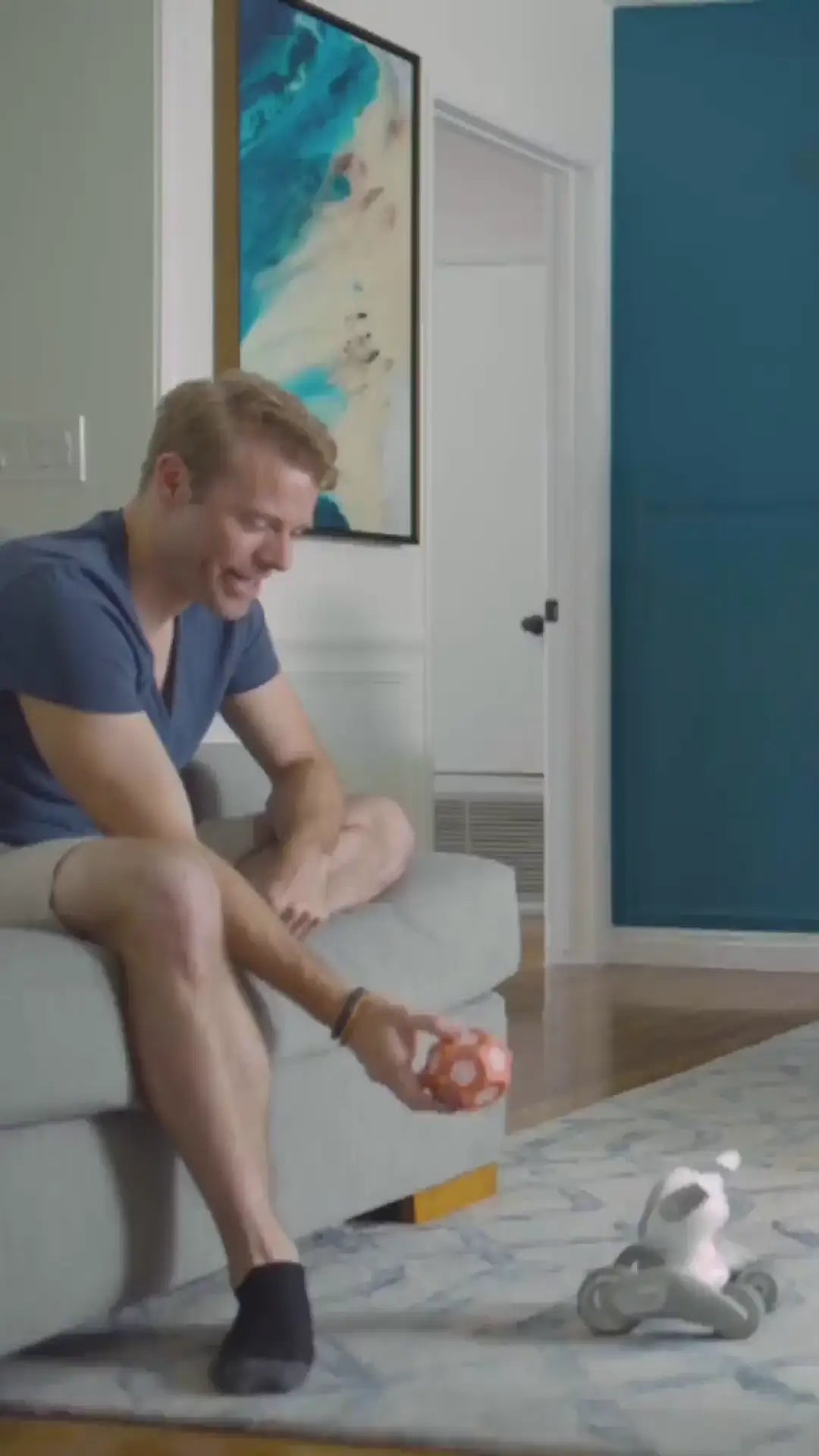
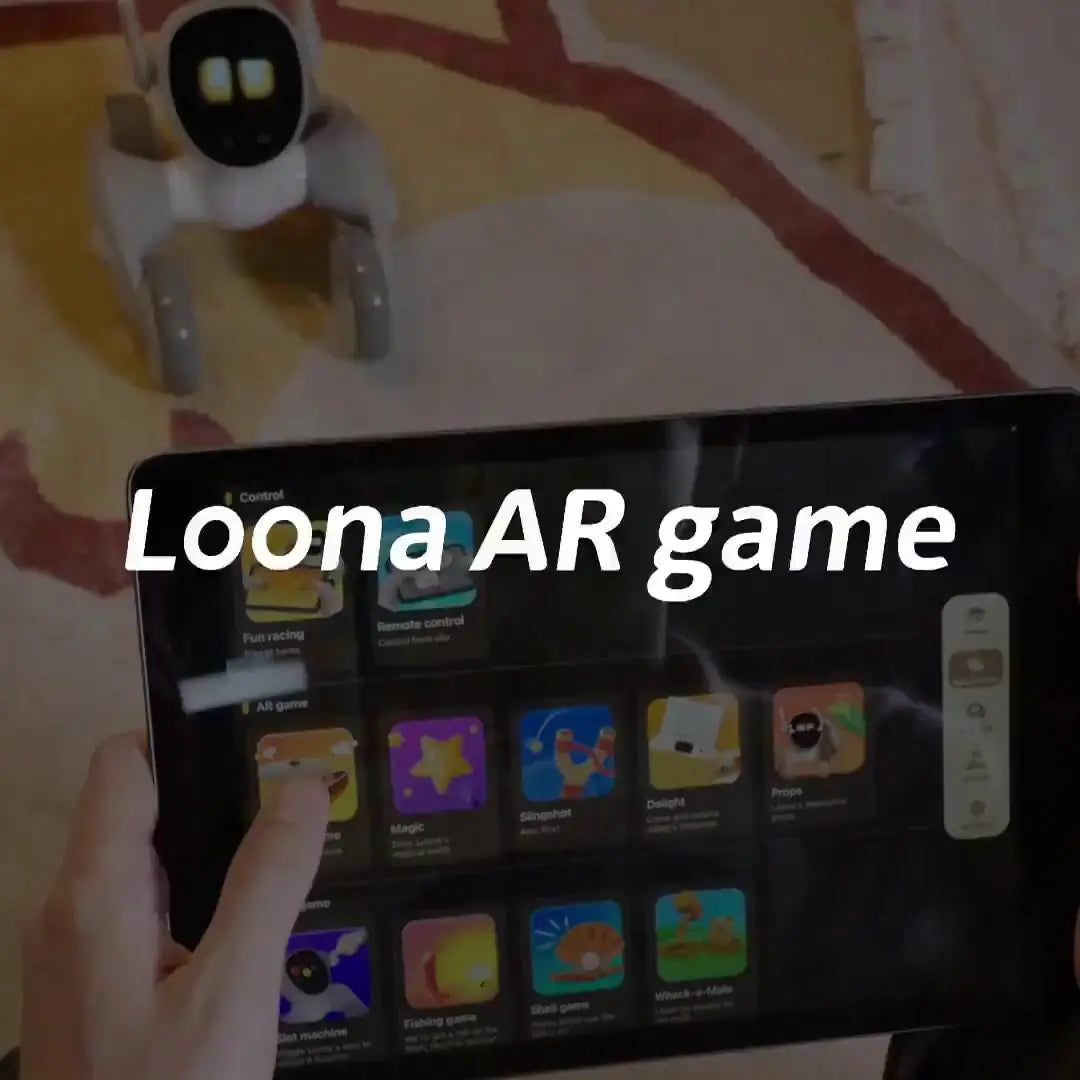
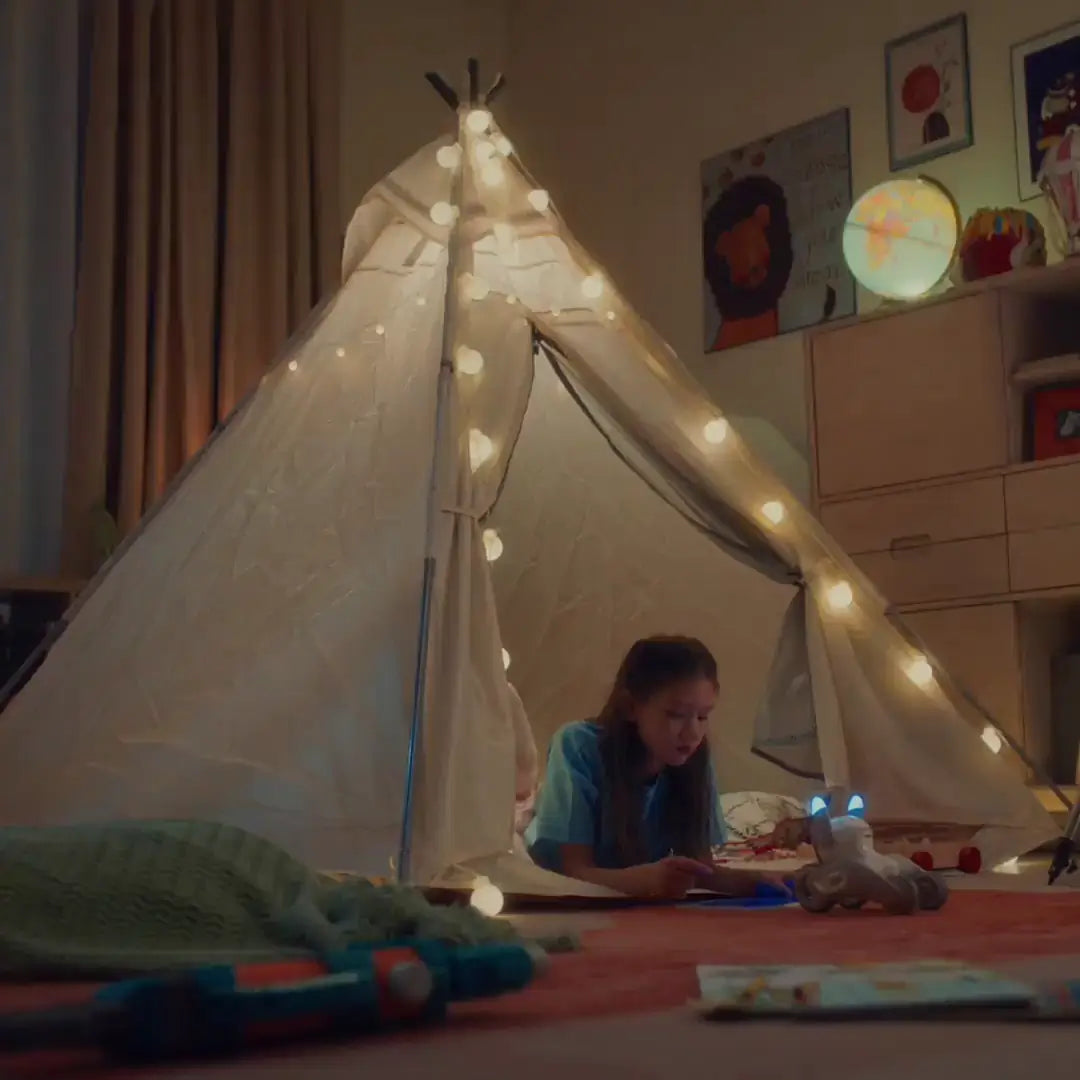
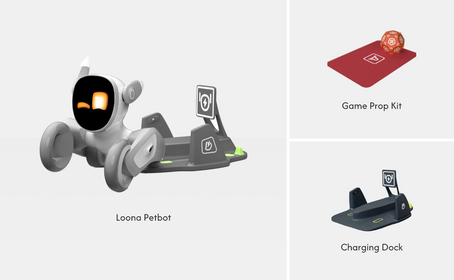
Loona is a pet-like home robot that combines expressive movement, games, GPT conversation, app-based control, and beginner programming. Children can talk with it, play built-in games, use Blockly-style programming, and interact through a companion app that also includes community and control features.
We've reviewed Loona (KEYi Tech) against our 9-literacy developmental framework. The main growth opportunity: the product still looks novelty-heavy. Mixed reviews raise questions about recognition quality and long-term value.
Strengths & gaps
Strengths
- ● Loona is more interesting than a one-mode talking toy. Programming, games, and chat give it some real breadth.
- ● It also has a clearer creativity signal than many companion robots because Blockly and AI art move it beyond pure conversation.
Gaps
- ○ The product still looks novelty-heavy. Mixed reviews raise questions about recognition quality and long-term value.
- ○ Human connection is also ambiguous. Loona is built to bond with the child, but that is not the same thing as strengthening relationships with other people.
- ○ Broader expert warnings around AI toy attachment and privacy are relevant context here.
Detailed scores
How Loona (KEYi Tech) performs on each of the 9 literacies in our framework.
Doing
— 0 of 3 Strong
Loona gives kids more to do than a simple talking robot. They can prompt it, steer app-based activities, and program behaviors. But the experience still unfolds inside a tightly designed robot ecosystem.
There is not much evidence of productive struggle or meaningful long-term challenge. Public reviews lean toward novelty, friction, and eventual disappointment rather than a deep return loop.
Loona offers several different modes, which gives children some flexibility in how they engage. Still, the product is mostly about switching among built-in features rather than learning when to change strategy.
Thinking
— 0 of 3 Strong
Loona clearly tries to keep children wondering what the robot can do next. GPT conversation, object recognition, games, and playful interactions help. But the outside evidence is too thin to push this higher.
Blockly programming and AI art are real pluses. They let the child shape output instead of only consuming content. The creative space is still pretty scaffolded, though.
Loona does not seem to ask much evaluative thinking from the child. Most interactions are expressive, playful, or content-led.
Being
— 0 of 3 Strong
Loona is designed to feel emotionally alive, and that can create a bond. But the public evidence does not show that the robot strengthens human relationships in a deep way. That keeps connection in the middle.
Loona is not teaching calm, coping, or emotional recovery. It is built to be stimulating and companion-like. That makes self-regulation a weak fit.
The public framing is about fun, companionship, and smart features. Purpose is outside scope.
Based on 3 sources
Reviewed by New Literacies
Scored by our research-derived framework · AI-assisted analysis with editorial review · 3 sources reviewed · Our methodology →
Get the next guide before it goes live
One email when a new product review ships.
Free. No spam. Unsubscribe anytime.