Life of Fred
Ages 5-18 · paid · Product · lifeoffred.com ↗

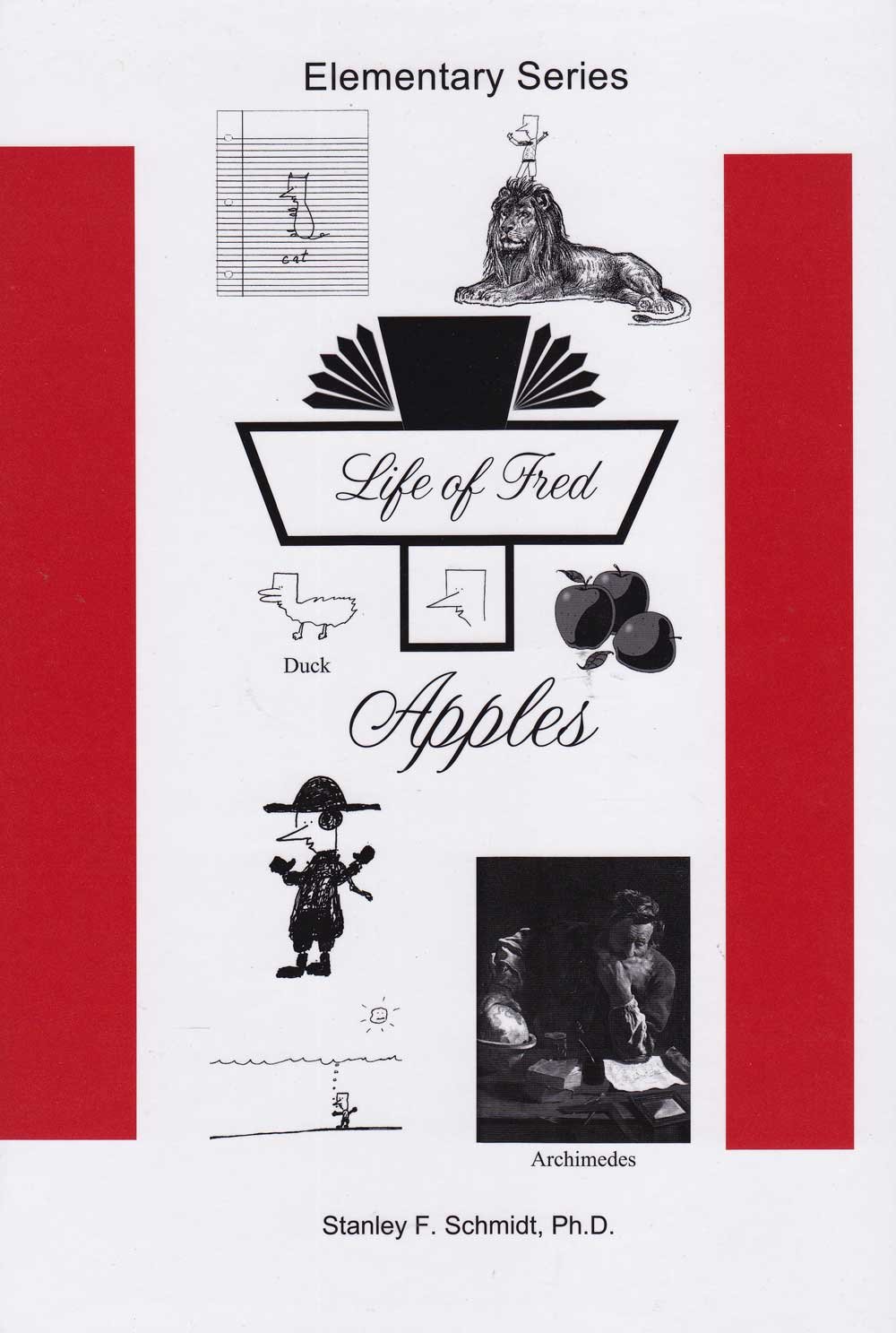

Life of Fred teaches math through a running story about Fred Gauss, a child prodigy moving through absurd and funny situations. A child reads the story, meets math ideas in context, and answers short "Your Turn to Play" style questions along the way. The experience feels closer to reading a quirky novel than working through a conventional textbook.
Life of Fred has focused developmental strength worth knowing about. It builds curiosity. The main growth opportunity: Life of Fred is still mostly a reading experience.
Strengths & gaps
Strengths
- ● Life of Fred's standout strength is Curiosity. The books are built to make a child keep reading, and that matters for math.
- ● The format can reopen math for kids who are bored or resistant. Story, humor, and surprise do real motivational work.
- ● Judgment and flexibility are present in a modest way. The child has to make sense of math in context, not just fill blanks.
Gaps
- ○ Life of Fred is still mostly a reading experience. It doesn't directly build connection, collaboration, or open-ended creation.
- ○ Some families need more practice than the books provide. That keeps Persistence from reaching stronger territory.
Detailed scores
How Life of Fred performs on each of the 9 literacies in our framework.
Doing
— 0 of 3 Strong
Life of Fred gives a child room to think. But the experience is still strongly directed by the author, with little room to choose goals or shape the path.
Life of Fred can keep a reluctant learner in math longer because the reading itself is inviting. But the books don't ask for long stretches of hard, repetitive practice.
Life of Fred puts math in strange and memorable situations. That can loosen rigid thinking. The transfer is real but mostly implicit.
Thinking
— 1 of 3 Strong
Curiosity is the reason these books work for many families. The child wants to know what Fred will do next, and the math rides inside that momentum.
Life of Fred uses imagination well. It doesn't ask the child to create new mathematical objects or projects, but it does make room for playful thought.
Because the books teach through context, the child has to interpret what matters in a situation. That's a healthier judgment pattern than pure procedure-following.
Being
— 0 of 3 Strong
Life of Fred is usually read alone or with a parent nearby. Any collaborative layer comes from the family, not the product.
The books can make math feel less threatening. That's helpful. But they don't explicitly teach a child how to manage frustration or sustain attention.
Life of Fred makes math feel human and memorable. It doesn't do much to connect math effort to service, identity, or larger values.
Based on 4 sources
- Product lifeoffred.com
- Product homeschoolbase.com — life of fred
- Product homeschoolmath.net — life of fred.php
- Product reddit.com — search
Reviewed by New Literacies
Scored by our research-derived framework · AI-assisted analysis with editorial review · 4 sources reviewed · Our methodology →
Personalization bridge
Not sure what your kid needs most?
Take the quiz to see which literacies matter most for your family, then get practical things to try at home.
Get your family profileExplore more
See other products strong in the same literacies: