
Libby
Ages 6-14 · free · Product · overdrive.com ↗
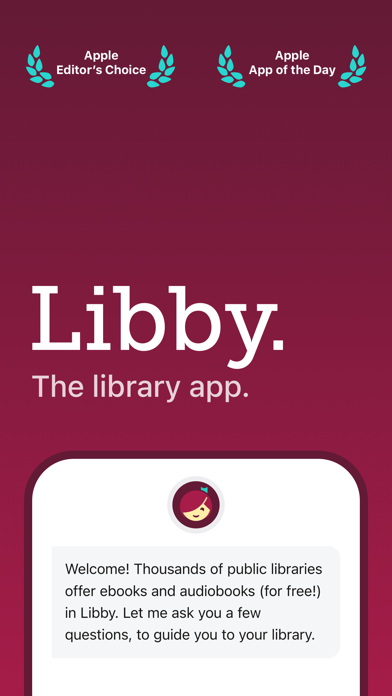
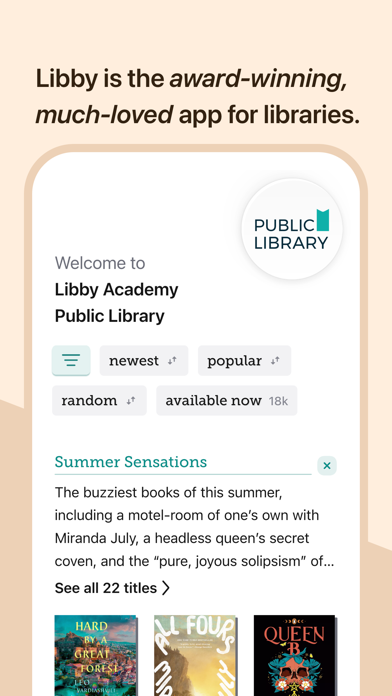
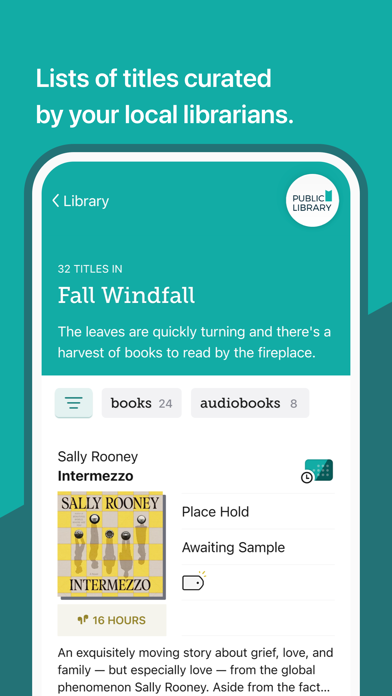
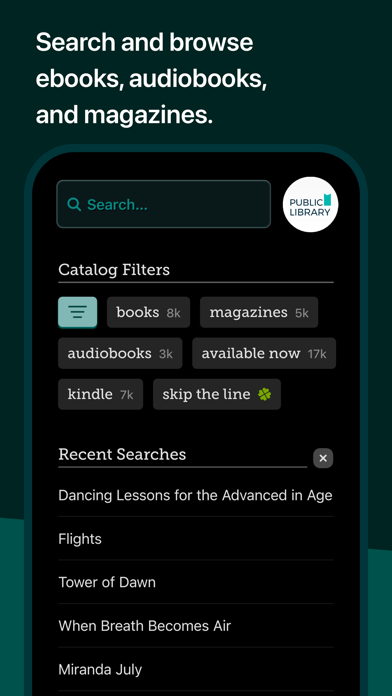
Libby is the app many public libraries use for ebooks, audiobooks, magazines, and read-alongs. Kids can search the catalog, place holds, borrow titles, tag books for later, and switch between reading and listening across devices. It is less a tutor than a portable library card with a very good interface.
Libby has focused developmental strength worth knowing about. It builds agency, curiosity. The main growth opportunity: libby doesn't directly build creativity. It is a reading-access tool, not a creation tool.
Strengths & gaps
Strengths
- ● Libby is unusually strong for Agency. It lets kids choose what to read, what to save, and how to read it without pushing them down a narrow track.
- ● Libby is also strong for Curiosity. The whole product is built around discovery through subjects, lists, and the open-ended abundance of a library catalog.
Gaps
- ○ Libby doesn't directly build creativity. It is a reading-access tool, not a creation tool.
- ○ Persistence, Self-Regulation, and Connection are real but secondary. They depend a lot on how the child uses Libby over time.
Detailed scores
How Libby performs on each of the 9 literacies in our framework.
Doing
— 1 of 3 Strong
Libby puts real choice in the child's hands. A child can browse, search, place holds, tag future books, and choose between reading and listening. Those decisions shape what happens next, which makes the agency here more than cosmetic.
Libby supports staying with books over time. Synced progress, offline access, and audiobook support make it easier to keep going. But the app does not create deliberate struggle or coach effort the way a reading tutor does.
Libby gives children multiple ways into the same reading life. They can move between audio and text, shift devices, and explore different genres until something fits. That is useful flexibility, even if the app is not explicitly teaching metacognition.
Thinking
— 1 of 3 Strong
Curiosity is built into Libby. The child can wander through subjects, curated lists, and an enormous catalog rather than wait for content to be assigned. For many kids, that open discovery layer is the whole point of the app.
Libby is not a making tool. Even with notes and highlights, the core activity is still borrowing and consuming media. Creativity remains limited.
Libby asks children to decide what is worth their time. They compare titles, formats, descriptions, and wait times, then choose what to borrow next. That is a real but modest form of judgment.
Being
— 0 of 3 Strong
Libby itself is mostly solitary, but books often are not. Read-alongs, family listening, and shared library discovery can all create connection around the app. Because that connection is indirect, Moderate is the right ceiling.
Libby rewards patience and planning more than most reading apps. Holds can take time, due dates matter, and building a meaningful to-be-read list takes restraint. Those are quiet but real self-regulation habits.
Libby can absolutely deliver books that change a child. But the product itself is an access layer, not a framework for meaning, values, or contribution.
Based on 4 sources
- Product overdrive.com — libby
- Product apps.apple.com — id
- Product play.google.com — details
- Product apps.apple.com — id
Reviewed by New Literacies
Scored by our research-derived framework · AI-assisted analysis with editorial review · 4 sources reviewed · Our methodology →
Get the next guide before it goes live
One email when a new product review ships.
Free. No spam. Unsubscribe anytime.
See other products strong in the same literacies: