LEGO Education AI Kit
Ages 5-17 · paid · AI Product · education.lego.com ↗
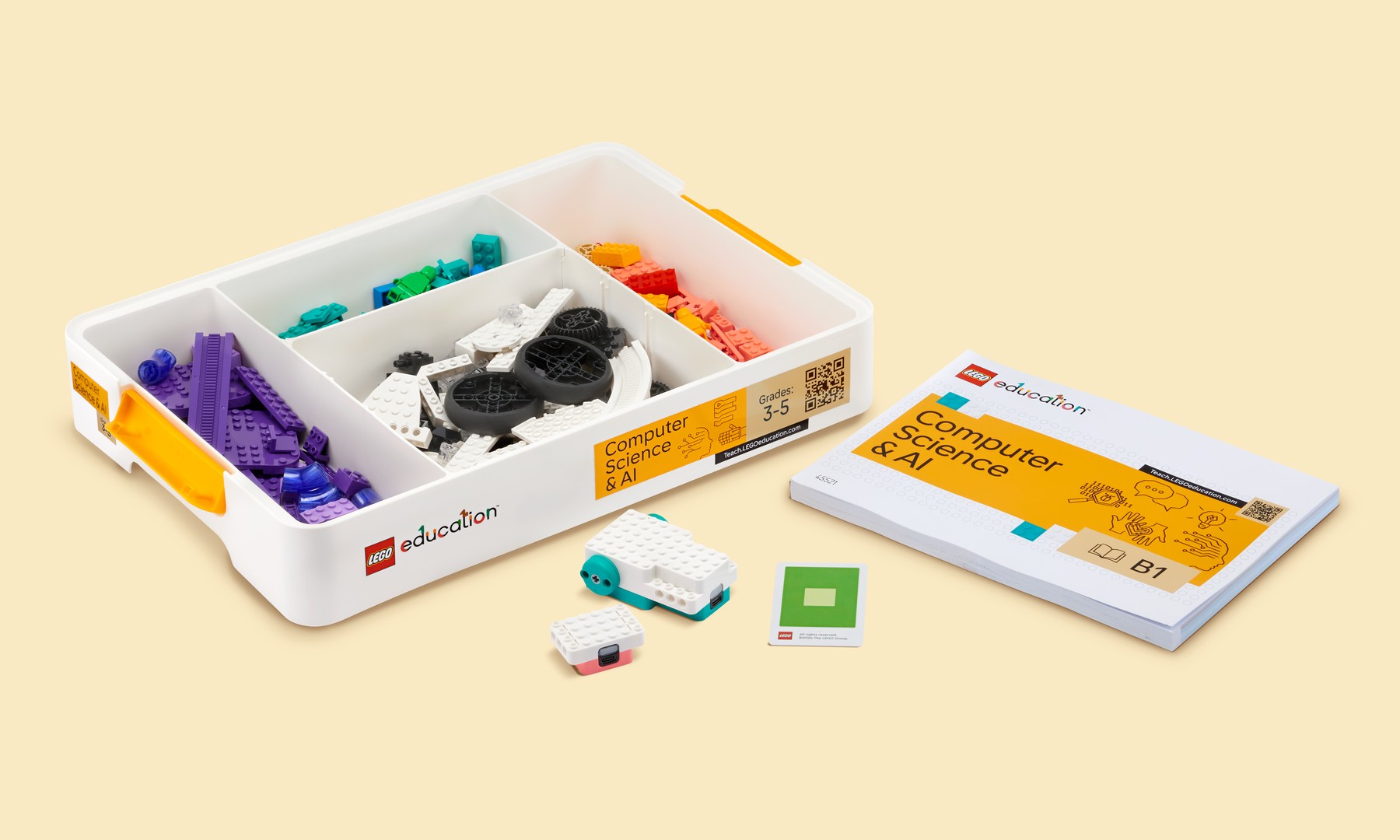
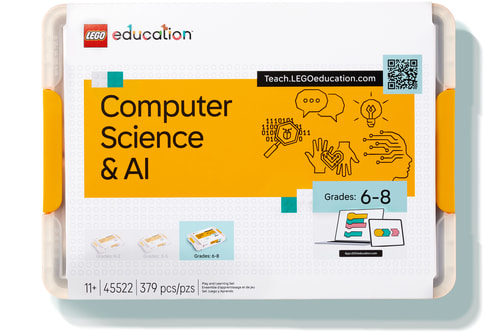

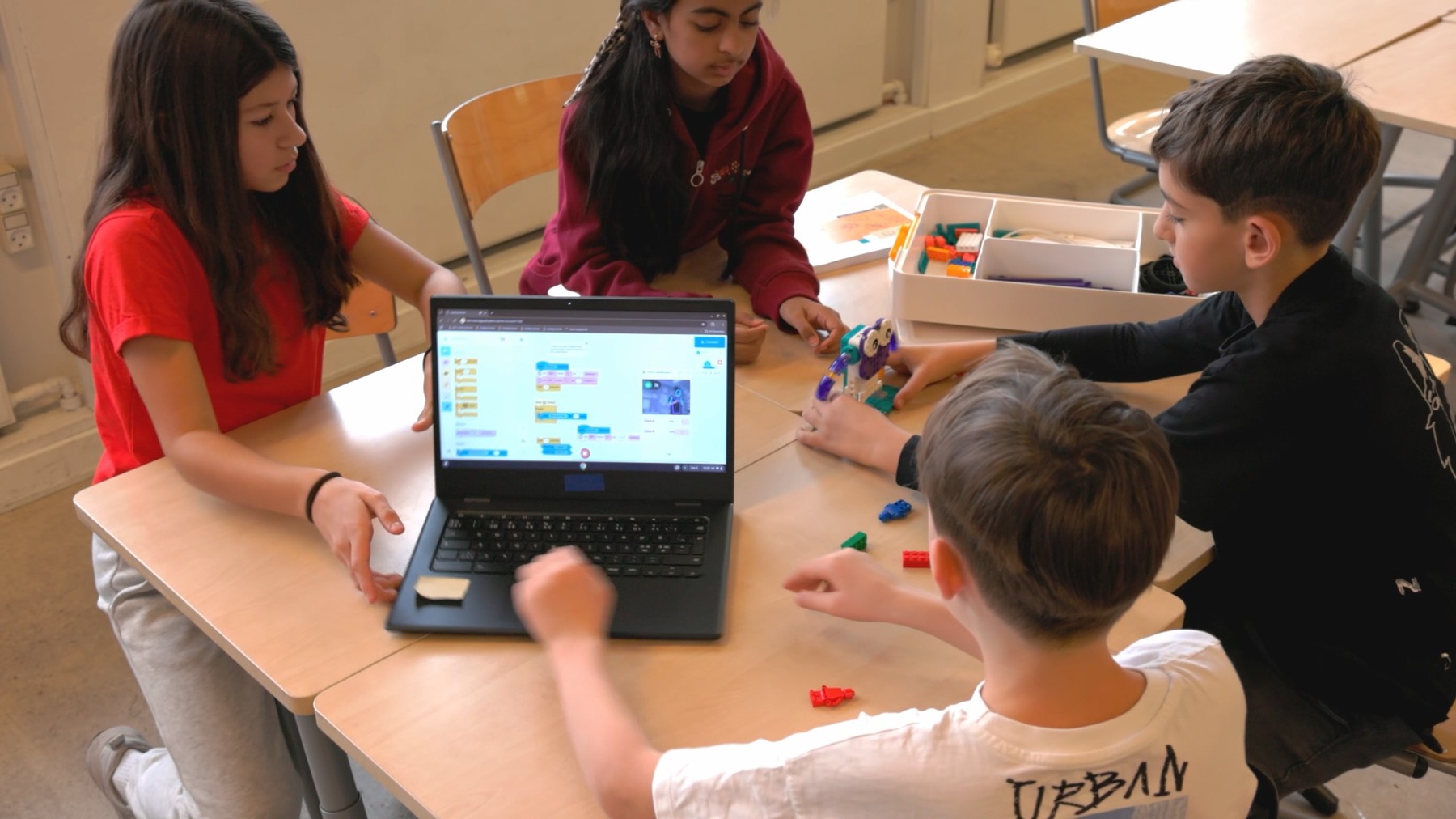
LEGO Education Computer Science & AI is a classroom kit line where kids build with LEGO bricks, code in the Coding Canvas, and work through AI lessons with motors, sensors, and teacher-led presentations. The K-2, 3-5, and 6-8 kits all use hands-on projects, while older lessons add custom AI classifiers, interactive stories, and Python options. The curriculum is built for schools. Teachers use a portal with lesson slides, facilitation notes, and formative assessments, while students work in groups and save projects locally on their own devices.
LEGO Education AI Kit stands out for developmental impact across multiple literacies. It builds curiosity and creative thinking, connection. The main growth opportunity: agency stays bounded. The teacher chooses the lesson path and the child works inside it.
Full review
The NL Score measures developmental capacity-building, not product quality. A lower score doesn't mean a bad product. This is a hands-on AI learning solution for classrooms. The question here is narrower: what capacities does it build in a child?
Strengths & gaps
Strengths
- ● LEGO Education Computer Science & AI is strongest for Curiosity, Creativity, Judgment, and Connection. Kids inspect AI instead of treating it like a black box.
- ● The hands-on kit matters. Kids build, code, compare outputs, and revise real artifacts instead of clicking through a worksheet.
- ● Collaboration is not an afterthought. The lessons are structured around groups, shared roles, and classroom discussion.
Gaps
- ○ Agency stays bounded. The teacher chooses the lesson path and the child works inside it.
- ○ Persistence is supported, but the scaffolding keeps the struggle manageable.
- ○ Purpose is present, but mostly as future usefulness and classroom motivation rather than identity or service.
Detailed scores
How LEGO Education AI Kit performs on each of the 9 literacies in our framework.
Doing
— 0 of 3 Strong
LEGO Education gives children real choices inside the lesson. They build, code, and test different approaches, and the Coding Canvas is designed to be accessible through web or iOS. But the sequence is teacher-directed, so the child is not setting the broader goal or owning the whole learning arc.
The product asks kids to revise work, fix mistakes, and improve model accuracy. That matters, especially in the AI classifier activities. But the lessons are heavily scaffolded and time-boxed, so the product builds practice tolerance more than deep endurance through struggle.
Kids move across hardware, coding, AI classification, and design challenges. That requires them to shift strategies as the lesson changes. The sequence is broad, but still curated, so this is solid flexibility rather than open-ended adaptability.
Thinking
— 3 of 3 Strong
The curriculum is explicitly inquiry-based. LEGO says the lessons use built-in questions, real-world examples, and AI experiences that help students understand how the technology works. The product keeps opening questions about what AI does and why it behaves the way it does, which is exactly what curiosity needs.
Children build models, write code, train classifiers, and design interactive stories. That is original making, not just selecting from choices the system provides. The design challenges add enough openness that the child can produce something genuinely their own.
LEGO frames the solution around understanding, applying, and evaluating AI. The safety materials push responsible use, and the lessons ask students to compare outputs, inspect data, and think about AI possibilities and challenges. That is direct judgment practice inside a real learning task.
Being
— 1 of 3 Strong
The product is built around collaboration. LEGO says hands-on collaboration is at the heart of every experience, and the teacher notes include group roles for students working together. That creates shared problem-solving and peer interaction as part of the product itself.
The teacher portal includes timers, lesson objectives, and formative assessment checkpoints. Those features help students stay on task and manage time. But the product does not teach coping language or emotional recovery, so it supports regulation without directly building the skill.
LEGO gives the learning a real-world purpose. It frames AI literacy as something students need to understand and evaluate responsibly, not just memorize. Still, the product does not go deep into values, contribution, or identity, so Moderate is the right ceiling.
Based on 6 sources
- Research education.lego.com — lego education computer science and ai
- Research education.lego.com —
- Research education.lego.com —
- Research education.lego.com —
- Research education.lego.com — ai safety statement
- Product lego.com — lego education cs ai
Reviewed by New Literacies
Scored by our research-derived framework · AI-assisted analysis with editorial review · 6 sources reviewed · Our methodology →
Get the next guide before it goes live
One email when a new product review ships.
Free. No spam. Unsubscribe anytime.
See other products strong in the same literacies: