
Kodable (AI hints)
Ages 4-10 · freemium · AI Product · kodable.com ↗
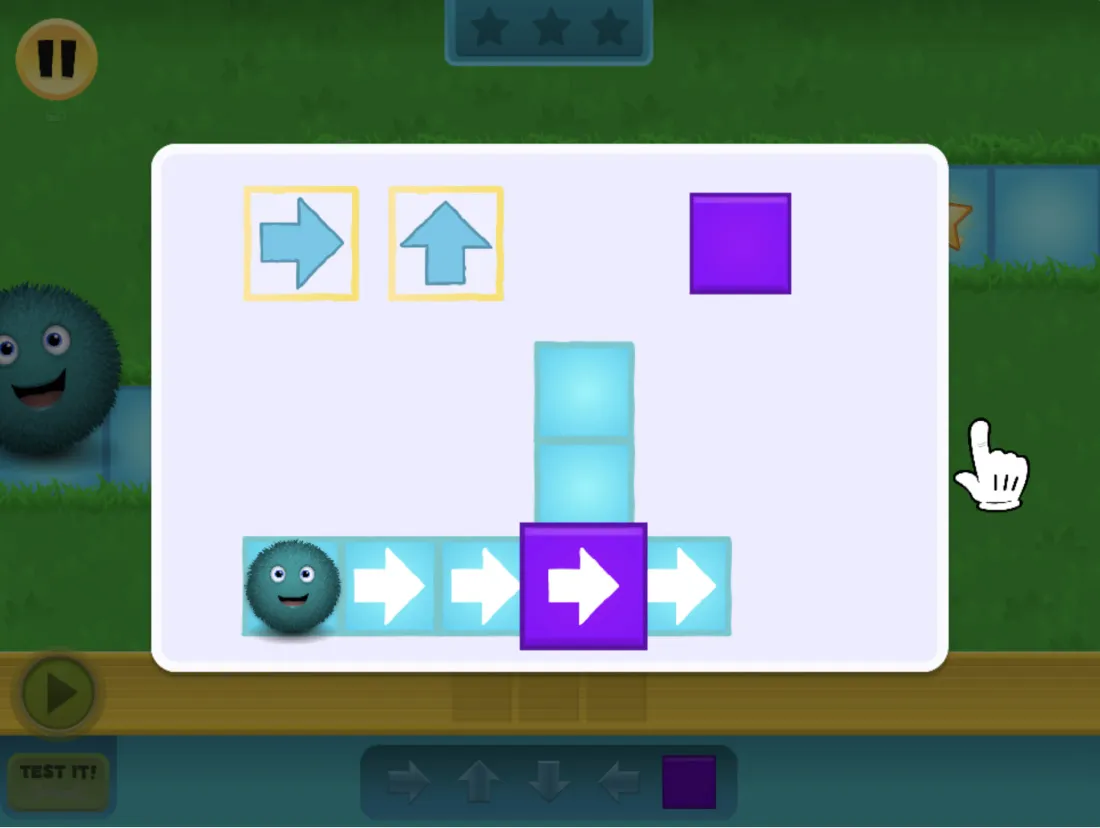
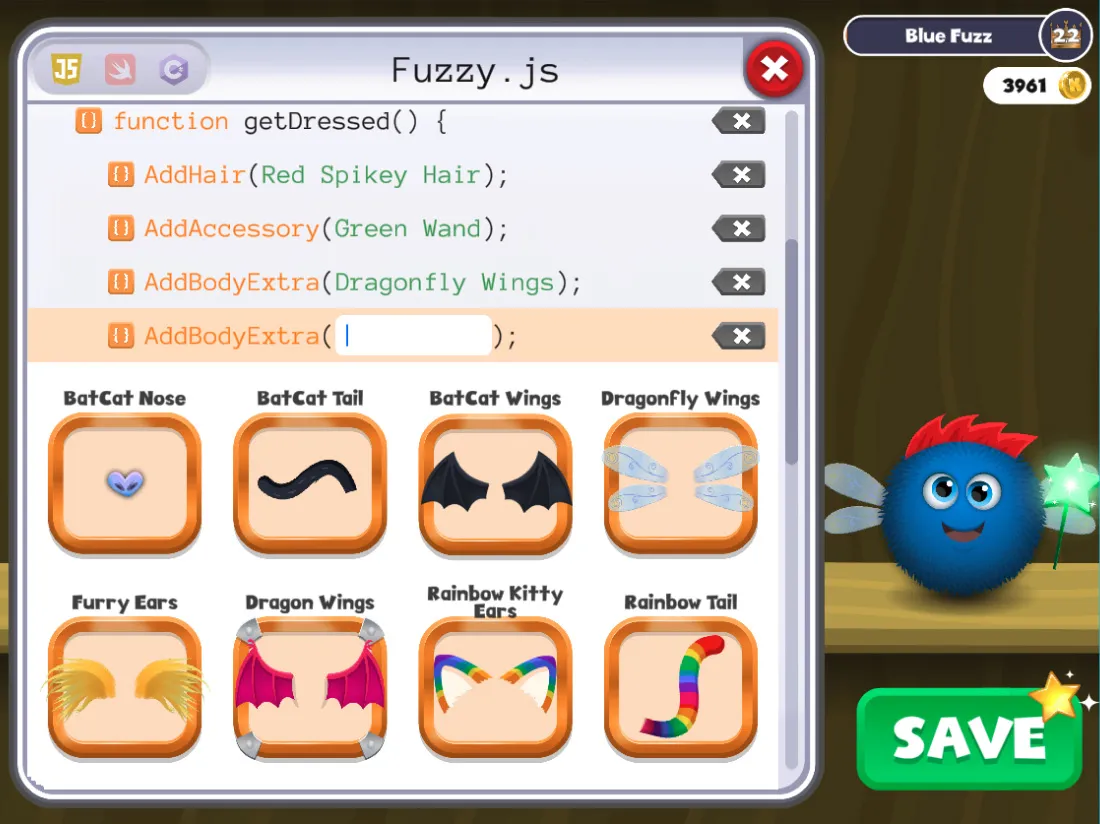
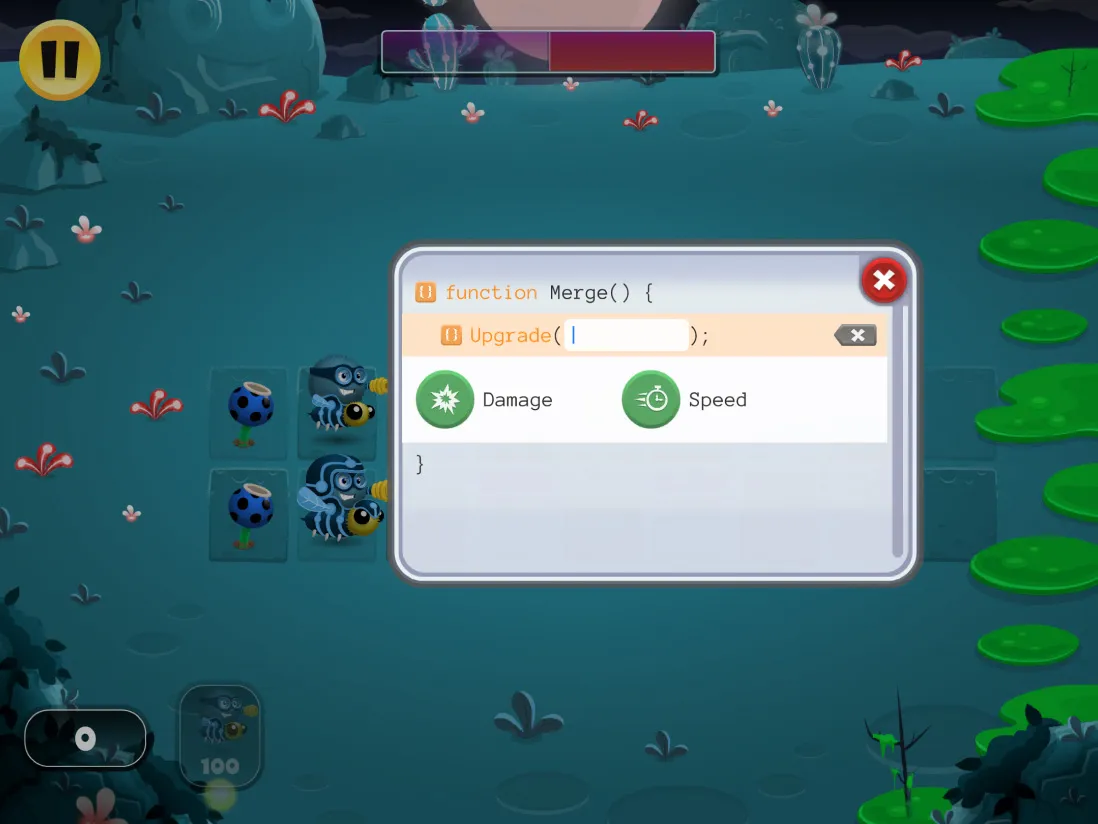
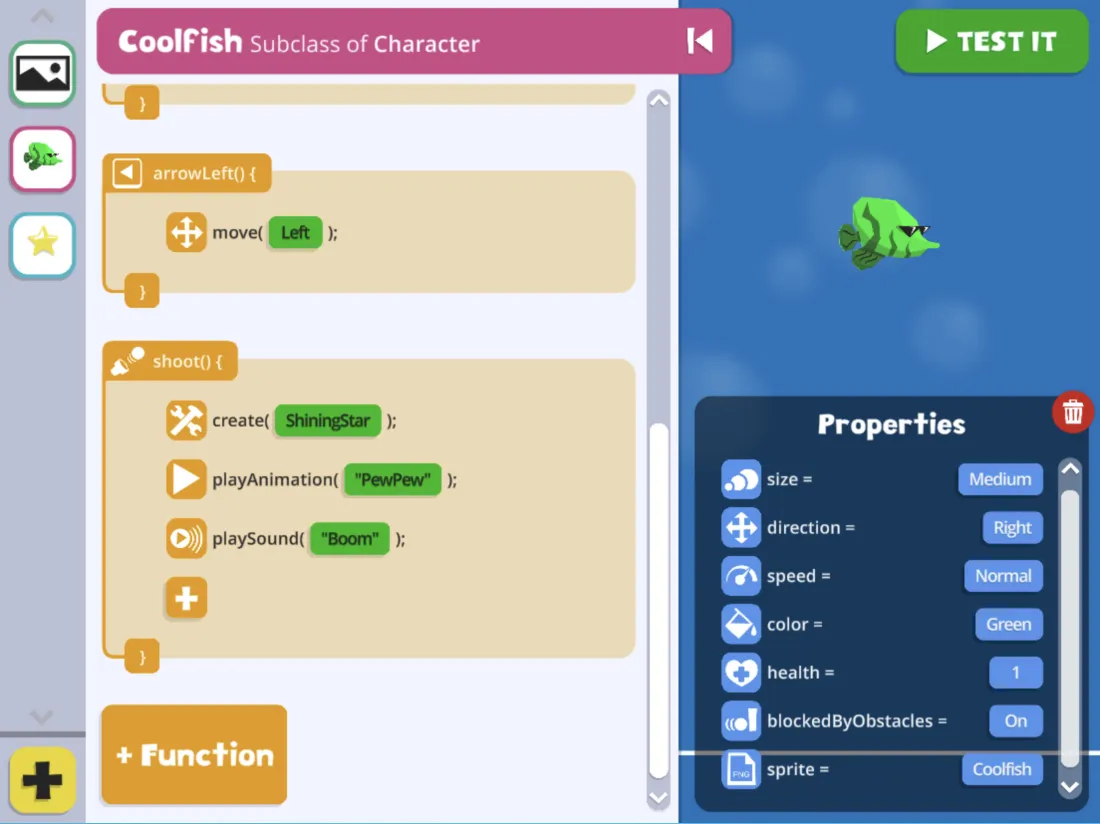
Kodable is a coding app for ages 4-10 where kids work through visual puzzles that teach programming concepts, starting with drag-and-drop commands and progressing into real JavaScript. In Kodable Creator, kids build their own games -- placing objects, writing code, testing, and sharing what they made. CatBot, an AI tutor built into Creator, answers questions and helps debug code when kids get stuck.
Kodable (AI hints) has focused developmental strength worth knowing about. It builds creativity. The main growth opportunity: judgment stays shallow. Kodable asks kids to code, not to weigh competing viewpoints or evidence.
Full review
What Parents Should Know
Kodable is strongest when your child is moving from guided coding into making their own games. Creator gives kids a real editor, and CatBot makes the jump to text-based code less punishing by answering questions and debugging with them.
It is not a deep social product, and it is not trying to be. The tradeoff is that persistence and judgment stay secondary to creation. If you want a coding suite that keeps kids building, Kodable works. If you want something that builds collaboration or real-world judgment, it does not go far.
Strengths & gaps
Strengths
- ● Creativity is the clear standout. Kodable Creator gives children a place to build something of their own.
- ● The move from blocks to JavaScript is a real learning arc, not just a cosmetic upgrade.
- ● Self-paced lessons make the suite usable for younger kids and for families who want less teacher overhead.
Gaps
- ○ Judgment stays shallow. Kodable asks kids to code, not to weigh competing viewpoints or evidence.
- ○ CatBot is helpful, but it also makes it easy to dodge productive struggle.
- ○ Connection is mostly external to the app. Kids may work together around Kodable, but Kodable itself does not build relationships.
Detailed scores
How Kodable (AI hints) performs on each of the 9 literacies in our framework.
Doing
— 0 of 3 Strong
Kodable gives kids real choice in Creator and in the game editors on the parent page. They can build games, test them, and share them with others. But the younger path is still guided, and the app can move from self-directed creation back into prescription very quickly. That makes the agency real, but not total.
Kodable creates manageable frustration. The puzzles are short, the difficulty rises step by step, and the teacher story around Creator talks about productive failure. But CatBot is always close, and the AI can help the child move past the hard part instead of sitting in it. That is useful, but it softens the persistence workout.
The suite asks kids to shift mental models. Children move from block coding into real JavaScript, then debug code when something breaks. That is a true format change, and the independent learning research shows the app can support varied play behaviors. Still, the flexibility stays inside coding, so it is moderate rather than broad.
Thinking
— 1 of 3 Strong
Kodable is interesting because it lets kids build games, customize them, and keep unlocking new challenges. Those features can create real "what if I try this?" moments. But the curriculum still explains most of what is going on. The child is exploring a guided system, not chasing open-ended questions.
This is Kodable's strongest capacity. The parent page says each game area has an editor, and the App Store listing says kids can play and code their own games and explore unlimited creativity activities. That is genuine creation with an authored output. For an elementary coding suite, that is enough to earn a Strong.
Kodable teaches procedural coding literacy. The Common Sense review frames it as step-by-step sequencing, and the child usually has one correct solution path. There is some decision-making in how to arrange code, but not enough ambiguity or competing evidence to exercise judgment in the rubric's sense. It builds programming logic, not discernment.
Being
— 0 of 3 Strong
There are classroom moments where kids help each other through Kodable. That matters, and the community reviews show it happens often enough to notice. But those interactions are around the app, not built into the app's core design. CatBot is AI support, not human reciprocity.
Debugging a broken function is frustrating, and Kodable does not remove that feeling entirely. Kids have to manage annoyance, try again, and keep moving. Still, the AI tutor is close by, so the emotional load is lower than in a pure no-hints environment. The product creates regulation practice, but it does not demand much of it.
Kodable helps a child feel capable, and the app says the skills apply to the real world. That is a useful start. But the effort mostly serves the child's own coding progress, not values, contribution, or identity. Purpose stays shallow.
Based on 11 sources
- Review commonsense.org — kodable
- Review commonsense.org —
- Review commonsense.org —
- Product kodable.com — parents
- Product kodable.com — meet catbot kodable creators ai coding tutor
- Product support.kodable.com — 9146082 catbot the ultimate ai tutor
- Product kodable.com — building on the basics with kodable creator
- Product reddit.com — coding_programmeplatform_for_kids
- Product sciencedirect.com — S
- Product sciencedirect.com — S
- Product apps.apple.com — id
Reviewed by New Literacies
Scored by our research-derived framework · AI-assisted analysis with editorial review · 11 sources reviewed · Our methodology →
Get the next guide before it goes live
One email when a new product review ships.
Free. No spam. Unsubscribe anytime.
See other products strong in the same literacies: