
KiwiCo
Ages 0-16 · paid · Product · kiwico.com ↗


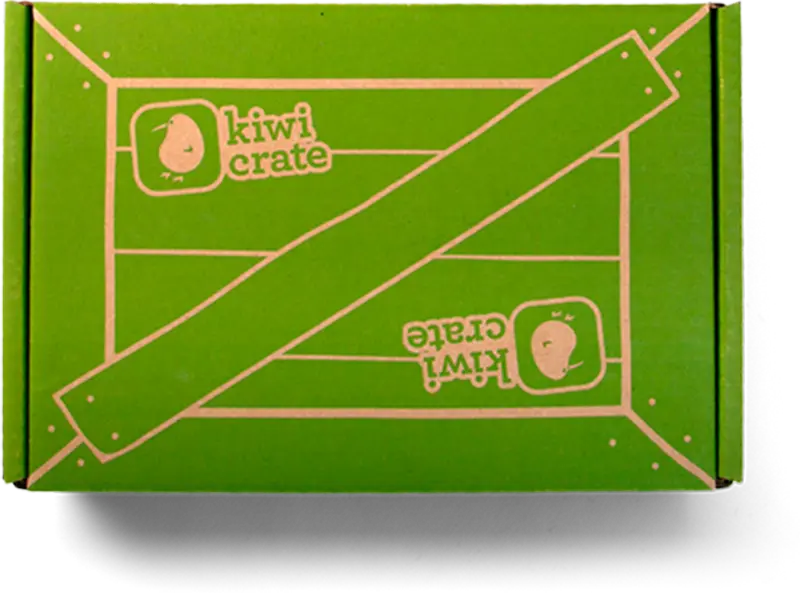
KiwiCo is a monthly subscription that delivers a box of materials and illustrated instructions for a single hands-on project -- things like a ratchet-powered jellyfish, a radio-controlled delivery bot, or a working pinball machine. Kids open the crate, build the project from the supplied parts, and test whether it actually works. Lines are split by age: Kiwi Crate (ages 6-9) focuses on science and art builds, while Tinker Crate (ages 9-12) leans into engineering and invention.
KiwiCo stands out for developmental impact across multiple literacies. It builds hands-on skills, curiosity. The main growth opportunity: Creativity is bounded by instructions in the core lines.
Full review
KiwiCo ships monthly hands-on crates that get kids building, tinkering, and learning with real materials.
Strengths & gaps
Strengths
- ● KiwiCo's clearest win is Agency. Kids get a box of parts, build something real, and can keep changing it after the official steps are done.
- ● Persistence is not cosmetic here. The materials are physical, so fit, glue, and assembly problems create actual friction that kids have to work through.
- ● Curiosity stays high because each crate changes the topic. A child can move from a pinball build to a robot hand to a geography project and keep learning why things work.
Gaps
- ○ Creativity is bounded by instructions in the core lines. Tinker and Doodle open things up more, but the main experience still starts from a fixed build.
- ○ Judgment is thin. KiwiCo trains careful follow-through, not the kind of tradeoff thinking this rubric is looking for.
- ○ Connection depends on who is in the room. KiwiCo works well as family time or in classrooms, but it does not require collaboration.
Detailed scores
How KiwiCo performs on each of the 9 literacies in our framework.
Doing
— 2 of 3 Strong
KiwiCo puts the child in the builder's seat. The crate arrives with the materials, and the child makes the thing. Reviewed.com found many projects could be done mostly independently, and Little Day Out said the instructions were easy enough for a child to follow on their own. That is real agency. The child is not choosing from a menu of outcomes. They are making an object that exists because they made it.
Physical builds create real friction. Parts do not always fit, glue takes time, and a bad step can stop the project until the child fixes it. The Johns Hopkins study says teachers saw gains in problem-solving and confidence, which lines up with what parents describe when kids keep returning to the next crate. That is persistence practice, not just exposure to difficulty. KiwiCo makes the child stay with the problem long enough to finish it.
The monthly rotation is the main adaptability feature. KiwiCo moves kids across science, engineering, art, and geography, so the child has to keep learning new kinds of making. The education page makes that rotation explicit. But the path inside each crate is still guided. The child adapts across months more than within a single build, so Moderate fits better than Strong.
Thinking
— 1 of 3 Strong
KiwiCo keeps putting new questions in front of the child. The company says its crates are designed to spark curiosity and help kids learn how the world works, and the magazines add comics, facts, and why-it-works context. That combination of making and explanation keeps the gap open. The child is not just finishing a project. They are wondering how it works and what they can try next.
KiwiCo does allow tinkering. Fractus Learning says Tinker Crate has open-ended blueprints and space to improvise, and some lines like Doodle and Maker are more open-ended than the core science crates. But most of the service still starts with step-by-step instructions and a defined end product. That makes the creative lift real, but bounded. KiwiCo supports making, not full blank-canvas creation.
KiwiCo mostly asks kids to follow instructions and complete the build as designed. That builds sequencing and careful execution, but not much tradeoff evaluation. There is usually a target outcome and a clear right answer. The child is doing the work. They are not being asked to weigh competing options or judge ambiguous choices.
Being
— 0 of 3 Strong
KiwiCo is often used as family time. The company says it wants families to spend time building, exploring, and creating together, and the Johns Hopkins study found teachers pairing older and younger students for more complex projects. Trustpilot reviews also mention kids proudly showing their work to parents and siblings. Still, the kit works fine as a solo activity. That keeps connection real, but optional.
KiwiCo crates can be frustrating when a step fails. The child has to manage annoyance, slow down, and try again if a piece does not work the first time. That is meaningful practice. What KiwiCo does not do is teach a regulation routine. There is no explicit coping language or calming sequence built into the product.
KiwiCo can help kids notice what kinds of projects light them up. That matters because repeated exposure to science, art, geography, and engineering can shape identity over time. Teachers in the Johns Hopkins study also saw confidence gains, which can support that sense of direction. But KiwiCo does not directly connect effort to values, service, or contribution. Purpose stays indirect.
Based on 10 sources
- Research education.kiwico.com — monthly deliveries
- Research jscholarship.library.jhu.edu — 8196b8fa 2c4e 411e afe1 c1fb13840bfc
- Product kiwico.com — about us
- Product kiwico.com
- Product kiwico.com — kiwi
- Product kiwico.com — tinker
- Product reviewed.com — kiwico review is this stem project subscription service for kids worth it
- Product littledayout.com — parent review kiwico crate box
- Product fractuslearning.com — kiwico reviews
- Product trustpilot.com — kiwico.com
Reviewed by New Literacies
Scored by our research-derived framework · AI-assisted analysis with editorial review · 10 sources reviewed · Our methodology →
Get the next guide before it goes live
One email when a new product review ships.
Free. No spam. Unsubscribe anytime.
See other products strong in the same literacies: