
Kimochis
Ages 3-10 · paid · Curriculum · kimochis.com ↗
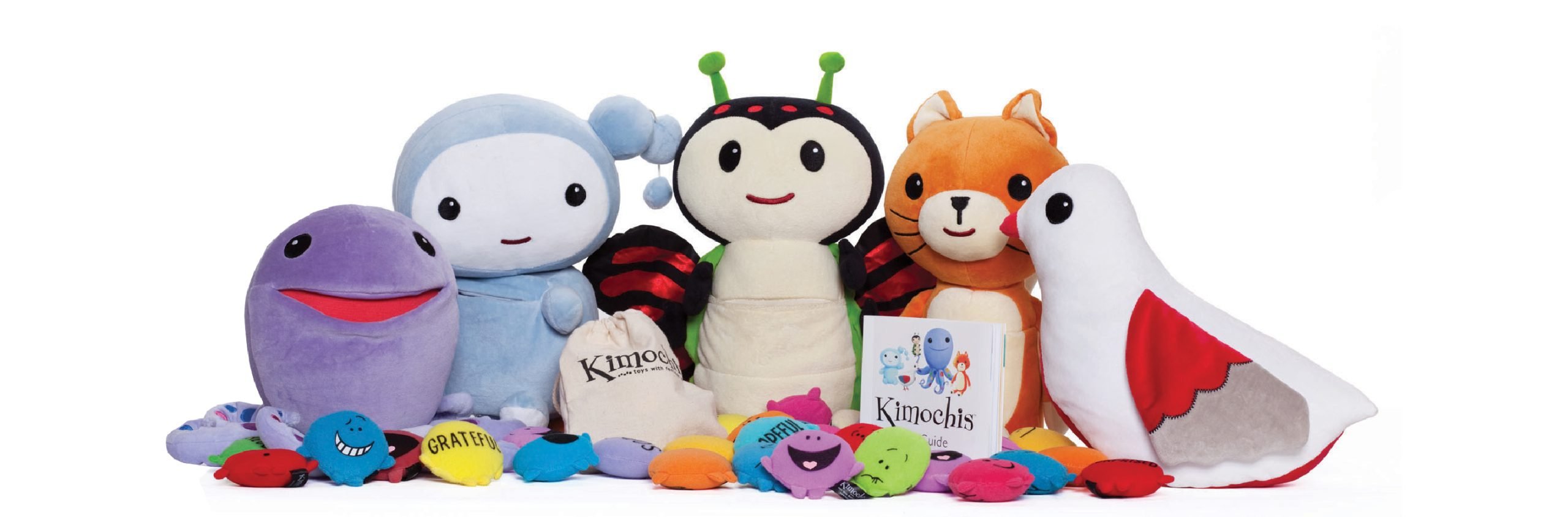

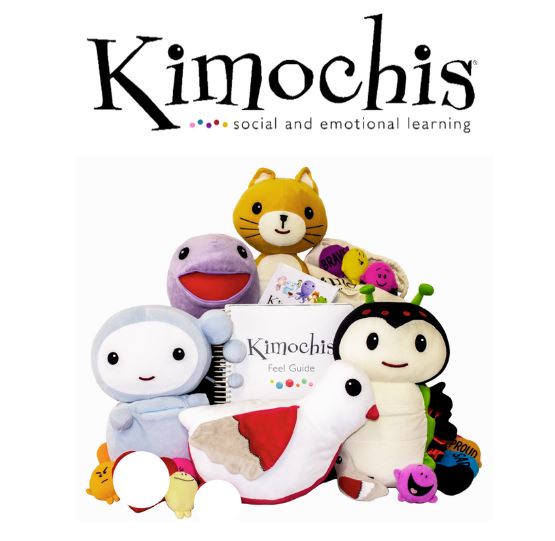
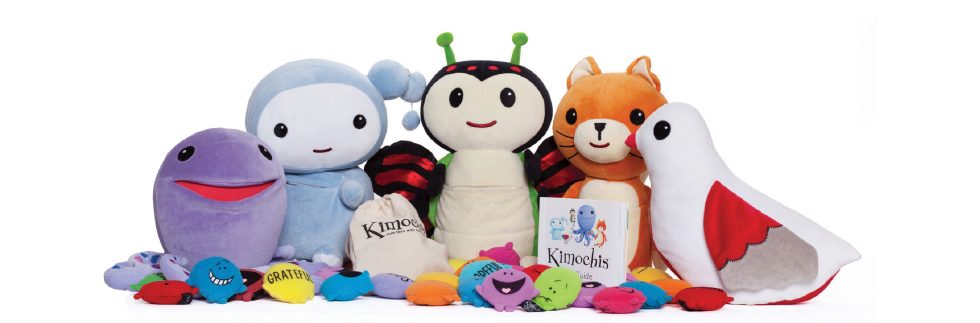
Kimochis is a tactile SEL program built around plush characters and feelings pillows. Kids talk about emotions through the characters, practice better communication, and use a shared feelings vocabulary that is meant to help them stay connected and regulate behavior when emotions run high.
Kimochis has focused developmental strength worth knowing about. It builds interpersonal skills. The main growth opportunity: The evidence base is lighter than for PATHS, MindUP, or RULER.
Strengths & gaps
Strengths
- ● Kimochis is strongest for connection and self-regulation. The tactile design gives younger children something concrete to hold onto when abstract feeling talk would otherwise go nowhere.
- ● It is especially well suited to early childhood. Feelings pillows and plush characters reduce the language load and make emotional communication less threatening.
Gaps
- ○ The evidence base is lighter than for PATHS, MindUP, or RULER. Public materials point to promising implementation reports, but not to the same level of rigorous trial data.
- ○ Creativity and curiosity are mostly outside the frame. Kimochis is a feelings-and-relationships tool, not an exploratory or making platform.
Detailed scores
How Kimochis performs on each of the 9 literacies in our framework.
Doing
— 0 of 3 Strong
Kimochis helps children say what they feel and ask for what they need. That matters for agency, especially in young kids. But adults still mediate most of the experience through lessons and guided conversations.
Kimochis can help children stay in a hard emotional moment without shutting down or exploding. That supports persistence in a narrow emotional sense. But it is not really a tool for sustained effort or productive struggle.
The program can help children try a different move when a first reaction is not working. That's a real adaptability signal. It just is not the product's biggest strength.
Thinking
— 0 of 3 Strong
Kimochis does not mainly build curiosity. The child is not exploring a knowledge space or following self-generated questions.
Kimochis may be playful, but it is not a creativity product. The goal is emotional communication and regulation.
Kimochis teaches children to slow down, notice feelings, and choose more caring responses. That is useful judgment work. But the public evidence is not strong enough to justify a stronger claim.
Being
— 2 of 3 Strong
Connection is a direct fit. Kimochis is built around empathy, communication, and staying in relationship when feelings get big. Few early-childhood products target that as clearly.
Self-regulation is the other standout. The combination of tactile supports and simple emotional vocabulary gives children tools for managing themselves in real moments rather than only after the fact.
The product clearly values kindness and care for others. But it does not push far into identity, vocation, or long-horizon purpose. Moderate is enough.
Based on 6 sources
- Product kimochis.com
- Product kimochis.com — about
- Product kimochis.com — sel benefits
- Product kimochis.com — training
- Product kimochis.com — elem
- Product wellbeingguide.acer.org — kimochis
Reviewed by New Literacies
Scored by our research-derived framework · AI-assisted analysis with editorial review · 6 sources reviewed · Our methodology →
Get the next guide before it goes live
One email when a new product review ships.
Free. No spam. Unsubscribe anytime.
See other products strong in the same literacies: