Kidopedia
Ages 3-12 · paid · AI Product · kidopedia.minilo.io ↗
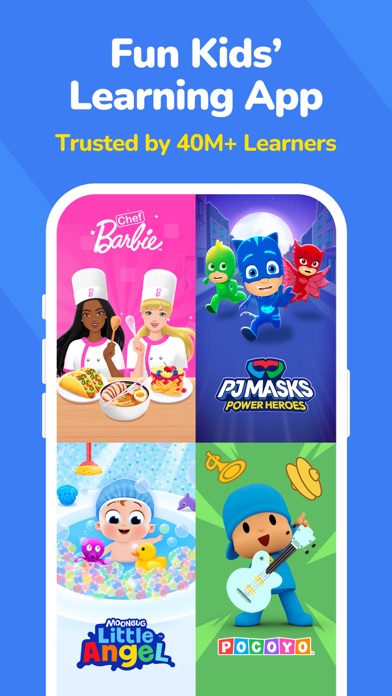
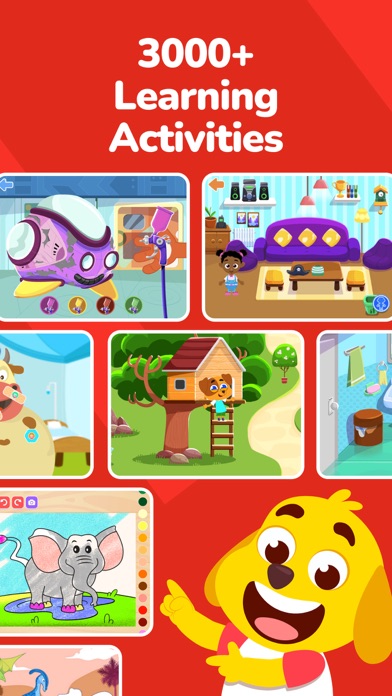

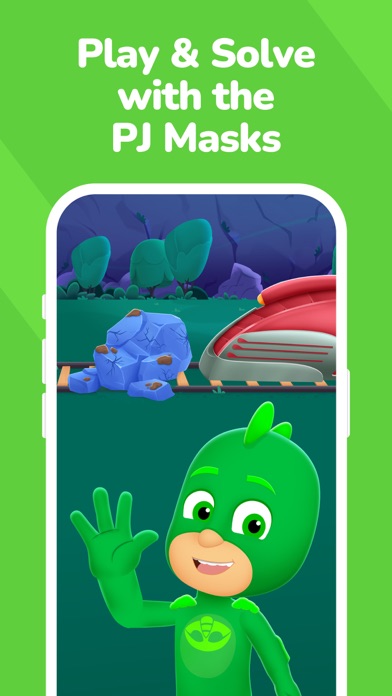
Kidopedia is an AI tutor app where kids ask questions and get simple explanations across subjects like Math, Science, Animals, and Numbers. It runs on-device with no internet required, using local AI processing for privacy. Kids earn XP, badges, and streak rewards as they complete bite-size lessons and quick challenges.
We've reviewed Kidopedia against our 9-literacy developmental framework. The main growth opportunity: Kidopedia doesn't build Persistence, Adaptability, or Judgment.
Strengths & gaps
Strengths
- ● Kidopedia's conversational AI lets kids ask questions across multiple subjects freely, supporting natural curiosity rather than forcing a prescribed path.
- ● The privacy-first design is genuinely strong. On-device AI, no tracking, no ads, and no data collection set a high bar for children's app privacy.
- ● One-time purchase with no subscription avoids the manipulative upsell patterns common in kids' apps.
Gaps
- ○ Kidopedia doesn't build Persistence, Adaptability, or Judgment. The AI removes all friction: answers come instantly, explanations are pre-packaged, and the child never needs to struggle with a problem or evaluate information.
- ○ XP, badges, and streaks are engagement mechanics, not developmental features. They build habit, not capacity.
- ○ No independent reviews or academic evidence exist. All developmental claims are unverified product marketing.
Detailed scores
How Kidopedia performs on each of the 9 literacies in our framework.
Doing
— 0 of 3 Strong
Kidopedia lets kids ask questions, but the AI structures the learning experience. Topics are prescribed (Math, Science, Animals, Numbers), goals are system-defined (earn XP, complete lessons), and the child doesn't build or create anything. This is a tutor experience where the child responds rather than directs.
Kidopedia's "quick challenges and bite-size lessons" are designed to minimize frustration, not calibrate it. There's no evidence of adaptive difficulty, productive struggle, or sustained multi-session challenge. Streak rewards encourage return visits but don't build tolerance for difficulty.
Kidopedia's AI handles all adaptation. It personalizes explanations to the child's level. The child doesn't need to try different strategies, debug their thinking, or reflect on what's working. All metacognitive work is outsourced to the AI.
Thinking
— 0 of 3 Strong
Kidopedia's conversational format lets kids ask their own questions across subjects, which is meaningfully better than pure drill. "Research summaries with citations" suggest some depth capability. But the AI delivers complete answers, closing curiosity loops rather than opening them.
Kidopedia is a tutor, not a creation tool. A "Story Time" feature exists in recent updates, but there's no evidence the child creates stories rather than consuming AI-generated ones. No open-ended creation, no revision, no creative risk-taking.
Kidopedia delivers AI-generated explanations as authoritative truth. The child receives information without evaluating sources, weighing perspectives, or making decisions. Citations are provided by the AI, not assessed by the child.
Being
— 0 of 3 Strong
Solo AI tutor with no human interaction features. Connection is outside Kidopedia's scope.
No evidence of emotion skills or regulation features. Outside scope.
No values, identity, or contribution features. Outside scope.
Based on 3 sources
- Product kidopedia.minilo.io
- Product apps.apple.com — id
- Product play.google.com — details
Reviewed by New Literacies
Scored by our research-derived framework · AI-assisted analysis with editorial review · 3 sources reviewed · Our methodology →
Get the next guide before it goes live
One email when a new product review ships.
Free. No spam. Unsubscribe anytime.