
Huni
All ages · freemium · AI Product · assistivecards.com ↗
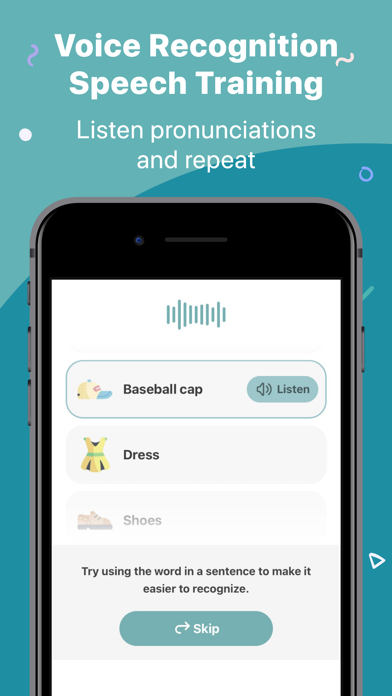
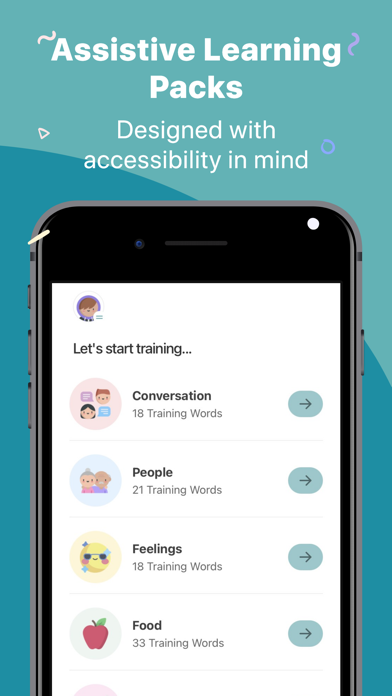
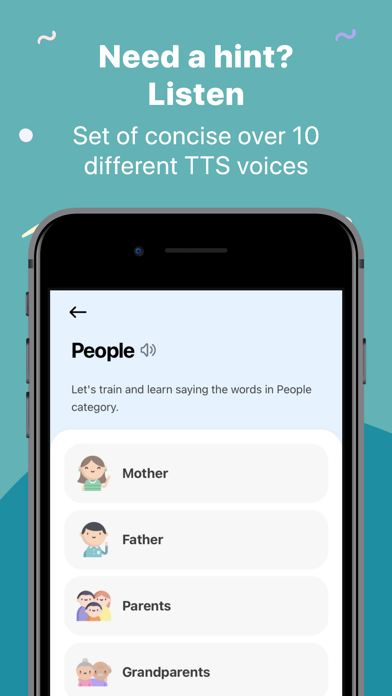
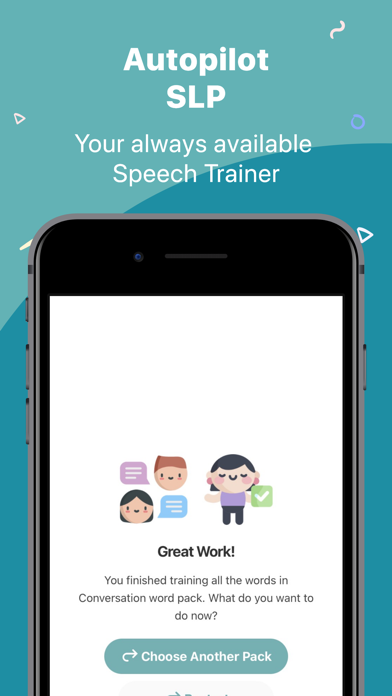
Huni is a speech-practice app for children with delayed or atypical speech. Kids hear target words, repeat them aloud, and keep trying until the speech-recognition system marks them as correct, using themed vocabulary packs like family, food, and conversation words.
Huni has focused developmental strength worth knowing about. It builds persistence. The main growth opportunity: huni is narrow. It is not trying to build creativity, broad judgment, or open curiosity.
Strengths & gaps
Strengths
- ● Huni is strongest for persistence. The whole design is built around trying again after an imperfect attempt.
- ● It also has practical communication value. Speech work here can matter immediately in a child's daily life.
Gaps
- ○ Huni is narrow. It is not trying to build creativity, broad judgment, or open curiosity.
- ○ The public evidence is also limited. Most of what is available comes from app-store pages and a small review sample.
Detailed scores
How Huni performs on each of the 9 literacies in our framework.
Doing
— 1 of 3 Strong
Huni gives the child a real job to do with their own voice. That matters because they are not just watching or tapping. But the app still controls the words, categories, and goals, so the agency is structured rather than expansive.
Persistence is the clearest match. Huni asks the child to repeat, miss, retry, and keep going until a pronunciation lands. That is real effort around a skill that can be frustrating.
The recognition loop gives children quick information about what did not work. They can then adjust and try again. That is useful adaptability, though it is narrow and highly task-specific.
Thinking
— 0 of 3 Strong
Themed packs and playful visuals can keep the experience engaging. But Huni is still a therapy-style practice app more than an exploratory world.
Children are rehearsing target words, not inventing language or stories. Creativity stays limited.
The main judgment task is whether a target sound or word was matched. That is thinner than the broader evaluative capacity this rubric means.
Being
— 0 of 3 Strong
Speech improvement can clearly help connection outside the app. Better understood speech can change family and social interactions in meaningful ways. The app itself, though, is mostly solo practice.
Speech-recognition practice can be frustrating, and Huni asks children to stay with that feeling and try again. That gives it a moderate self-regulation signal. It still does not teach explicit coping strategies.
The product is about speech practice and communication gains. It does not appear to connect the work to identity, values, or contribution in a deeper way.
Based on 4 sources
- Product apps.apple.com — id
- Product play.google.com — details
- Product apprecs.com — huni delayed speech therapy
- Product assistivecards.com
Reviewed by New Literacies
Scored by our research-derived framework · AI-assisted analysis with editorial review · 4 sources reviewed · Our methodology →
Get the next guide before it goes live
One email when a new product review ships.
Free. No spam. Unsubscribe anytime.
See other products strong in the same literacies: