
Hopscotch-Programming for Kids
Ages 8-13 · freemium · Product · gethopscotch.com ↗
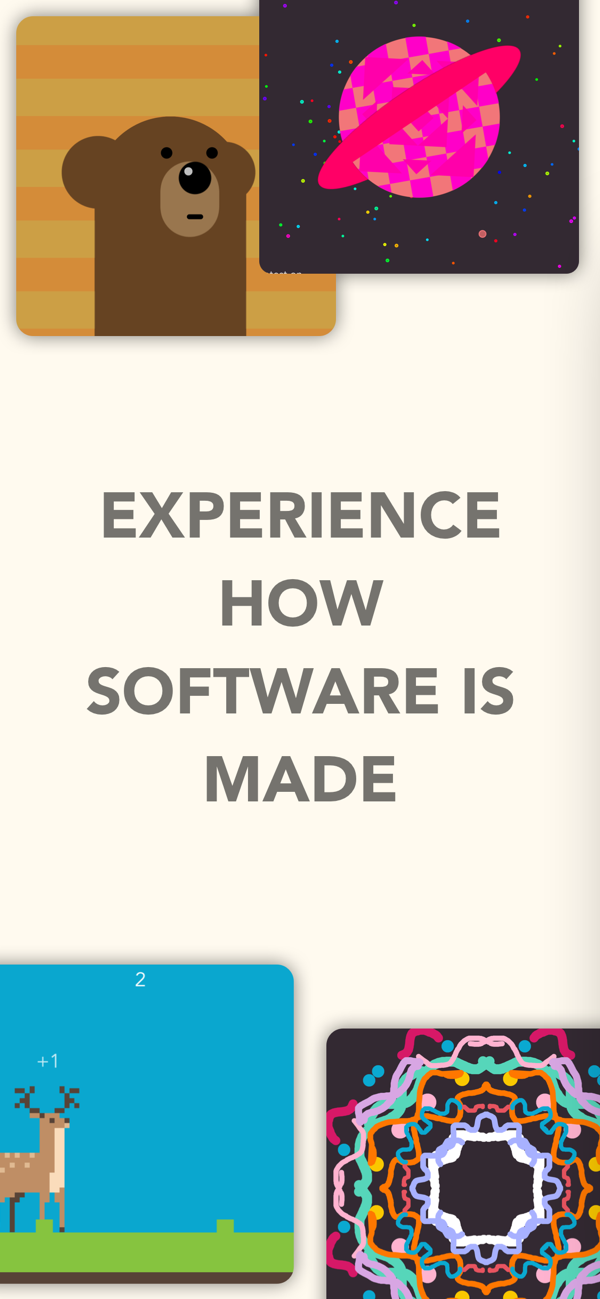
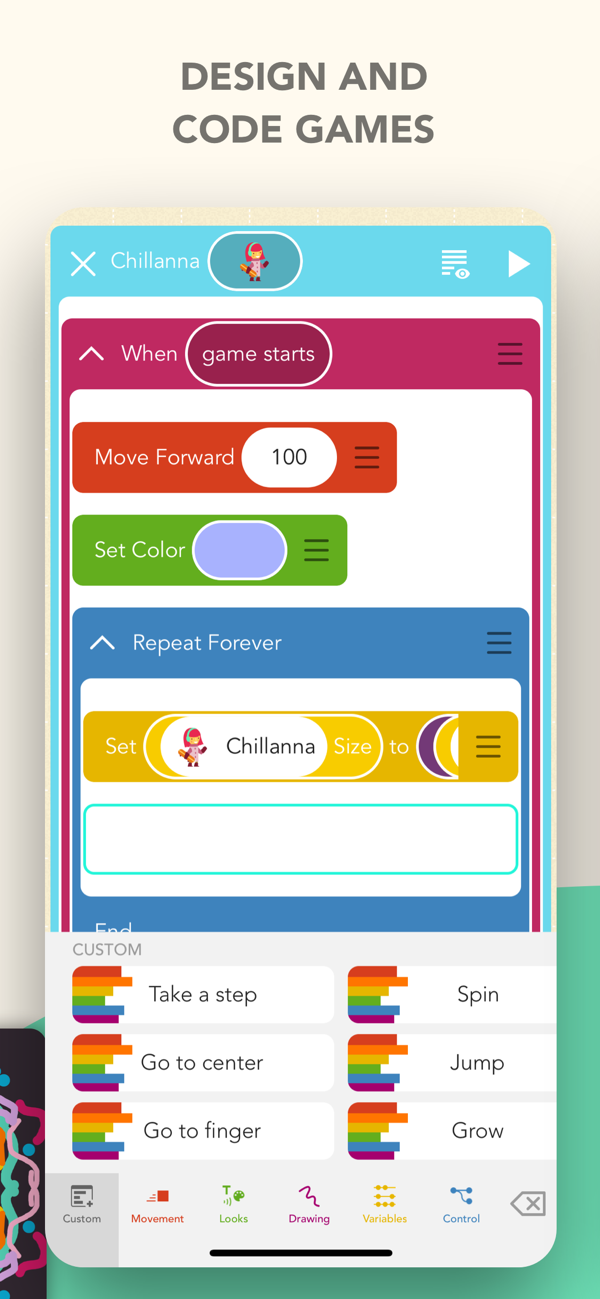
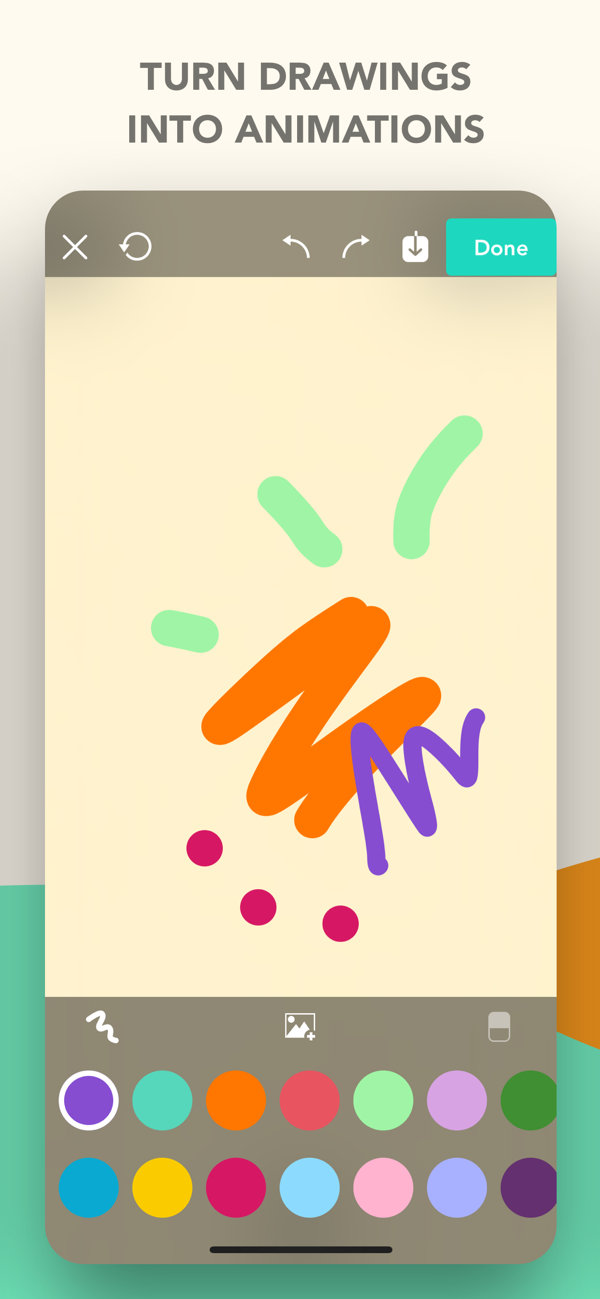
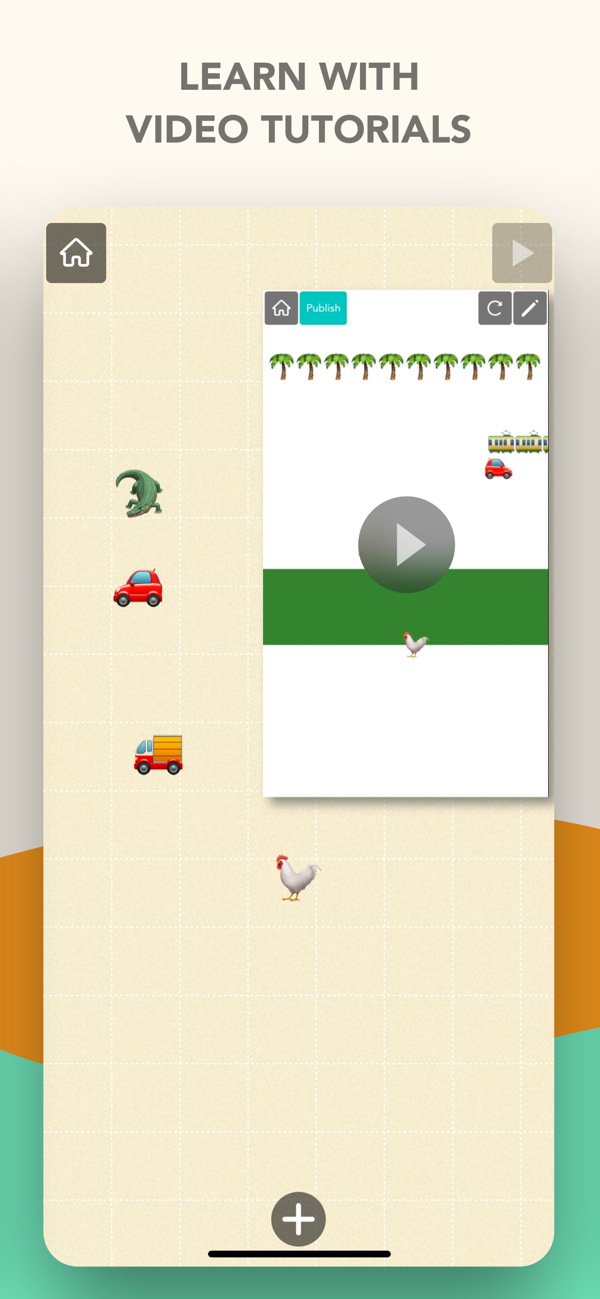
Hopscotch is a mobile coding app where kids make their own games, stories, and animations with visual code blocks. A child can start from scratch, use a template, or open another kid's project to play with and remix. It is a real creation tool, not just a string of coding puzzles.
Hopscotch-Programming for Kids stands out for developmental impact across multiple literacies. It builds action and persistence, creativity. The main growth opportunity: Hopscotch is still narrow in scope.
Strengths & gaps
Strengths
- ● Hopscotch is strongest for Agency, Persistence, Adaptability, and Creativity. Kids are making things, fixing things, and deciding what they want those things to do.
- ● The creation model matters. Hopscotch does not just teach coding concepts in the abstract. It lets children turn those concepts into games, stories, and shareable projects.
- ● Remix culture is a real advantage. Children can learn by opening another project's logic, changing it, and seeing what happens.
Gaps
- ○ Hopscotch is still narrow in scope. It builds a lot through coding, but most of the developmental action stays inside that lane.
- ○ Connection is present but limited. The community can inspire and support, yet the product is not fundamentally a collaborative workspace.
- ○ Subscription friction shows up in reviews. That does not erase the strengths, but it can limit how fully children use the tool.
Detailed scores
How Hopscotch-Programming for Kids performs on each of the 9 literacies in our framework.
Doing
— 3 of 3 Strong
Hopscotch gives children real authorship. They can start with a blank canvas, decide what they want to build, choose characters and rules, and publish the finished result. The product is not mainly about completing someone else's prompts. It is about making something that feels like theirs.
Hopscotch builds persistence because coding makes failure visible. When a game mechanic breaks, the child has to stay with the problem, test changes, and try again. Reviews describing kids spending hours on projects support that read. This is genuine iterative effort, not fake persistence created by easy reward loops.
Hopscotch also trains adaptability. Children have to change code when their first idea does not work, and remixing other projects gives them fresh approaches to borrow and alter. That constant move between plan, test, revise, and rework is exactly the kind of strategy-shifting the rubric is looking for.
Thinking
— 1 of 3 Strong
Hopscotch invites exploration through browsing, remixing, and tutorials. A child can see another person's game and immediately wonder how it was made. But the exploration space is still mostly about coding and game logic. It is strong enough to matter, but not broad enough to clear Strong.
Creativity is central here. Hopscotch lets children build original games, stories, and animated projects with many possible outcomes and no single right answer. The child is not filling in blanks. They are inventing systems and experiences.
Hopscotch builds judgment inside a logical environment. Children compare outcomes, test assumptions, and decide which code choices better serve the project they want to make. That is real reasoning. But the judgment stays inside programming logic rather than branching into evidence quality, perspective-taking, or broader real-world tradeoffs.
Being
— 0 of 3 Strong
Hopscotch has a real, if limited, social layer. Children can publish projects, comment, and remix what others have made, and the company describes the space as actively moderated. That creates some peer learning and inspiration. Still, most of the developmental weight sits in solo making.
Hopscotch asks for patience. Making a working project takes attention, delayed gratification, and emotional recovery when something breaks. But the app does not explicitly coach children through those regulation moves. It creates the conditions for the skill more than it teaches the skill itself.
Hopscotch can make a child feel capable and proud, but it does not explicitly connect coding to service, contribution, or a values-shaped identity. Purpose is outside the direct scope of the product.
Based on 8 sources
- Review commonsensemedia.org — hopscotch programming for kids
- Review commonsensemedia.org — adult
- Review commonsensemedia.org — child
- Product wired.com — hopscotch teaches kids code without command line
- Product apps.apple.com — id
- Product apps.apple.com — id
- Product gethopscotch.com
- Product help.gethopscotch.com — 142 inappropriate content
Reviewed by New Literacies
Scored by our research-derived framework · AI-assisted analysis with editorial review · 8 sources reviewed · Our methodology →
Personalization bridge
Not sure what your kid needs most?
Take the quiz to see which literacies matter most for your family, then get practical things to try at home.
Get your family profileExplore more
See other products strong in the same literacies: